 (Image source: Midjourney)
 Have you ever walked into a cluttered room and felt your shoulders tense up, or sat in a dark corner and felt your motivation drain away? It’s not just in your head. Our physical environment has a profound and often subconscious effect on our mental state, influencing everything from our mood to our ability to concentrate and stay energized throughout the day. Your home isn't just a place to store your stuff; it’s an active participant in your daily well-being. By making a few intentional choices about how you arrange your living space, you can transform it from a source of stress into a powerful tool that supports your energy and focus.
The Connection Between Space and Mind
The idea that our surroundings affect us is a concept known as environmental psychology. Think about how a chaotic, messy desk makes it hard to start working, or how a cozy, dimly lit restaurant makes you feel relaxed. Our brains are constantly taking in cues from our environment to determine how we should feel and act. A cluttered space sends signals of unfinished business and chaos, which can trigger a low-grade stress response. Conversely, an organized, well-lit space signals clarity, order, and safety, freeing up mental resources that would otherwise be spent dealing with the visual noise. You can harness this effect to intentionally design your home to promote the feelings you want to have: energy, clarity, and focus.
Let There Be Light: Maximizing Natural Illumination
Light is arguably the single most important environmental factor for energy. Our bodies are wired to respond to light. Exposure to natural light in the morning helps to reset our internal body clock, or circadian rhythm, signaling that it’s time to be awake and alert.
Simple Tricks to Boost Natural Light:
- Clean Your Windows: It sounds basic, but a layer of grime on your windows can significantly cut down on the amount of light that enters your home. Give them a good wash inside and out.
- Use Mirrors Strategically: Mirrors are a classic interior design trick for a reason. Placing a large mirror on the wall opposite a window can double the amount of light in a room, making it feel brighter and more spacious.
- Choose Lighter Window Treatments: Heavy, dark curtains can make a room feel like a cave. Opt for sheer, light-filtering curtains or blinds that you can easily open all the way. If you need privacy, consider top-down/bottom-up shades that let you let light in from the top while keeping the bottom covered.
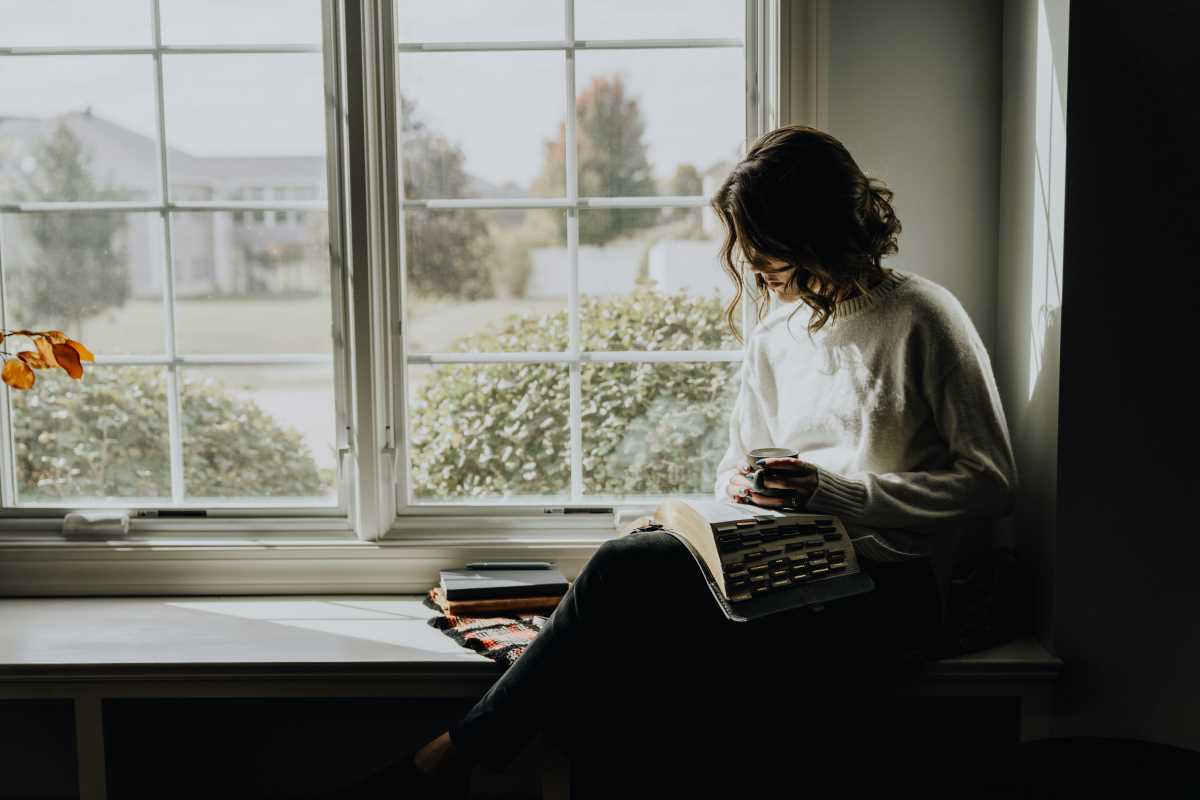
- Rearrange Your Furniture: Is your favorite armchair or your work desk tucked away in the darkest corner of the room? Move it closer to a window. Spending your most focused hours in a naturally lit spot can have a huge impact on your productivity and mood.
Decluttering for Mental Clarity
Clutter is the physical manifestation of procrastination and indecision. Every pile of mail, stack of magazines, or chair draped with clothes represents a decision that hasn't been made. This visual chaos competes for your attention and drains your mental energy. Decluttering isn't just about cleaning up; it’s about reducing the number of stimuli your brain has to process.
The "One-Touch" Rule
To prevent clutter from accumulating, adopt the "one-touch" rule. Whenever you pick something up, deal with it immediately instead of putting it down to handle later.
- Mail goes directly into the recycling, is filed, or is opened and acted upon.
- Dishes go straight into the dishwasher, not the sink.
- Coats go on the hook, not the back of a chair.
Everything Needs a Home
A primary cause of clutter is items not having a designated storage spot. Go through your space and ensure every object has a logical, easy-to-access home. Use drawer dividers, storage bins, and clear containers to organize smaller items. When everything has a place, cleaning up takes minutes, not hours.
Start Small
The thought of decluttering an entire house is overwhelming. Start with one small, manageable area, like a single drawer or your bedside table. The sense of accomplishment from clearing that small space will give you the momentum to tackle bigger projects.
Zoned for Focus: Creating Designated Areas
Our brains love context. When you perform the same activity in the same place repeatedly, you create a powerful psychological association. If you work from your bed, your brain gets confused—is this a place for rest or for stress? This confusion can lead to poor focus during the day and difficulty sleeping at night.
Create distinct zones in your home for different types of activities.
- The Work Zone: If possible, have a dedicated desk or area that is used only for work or study. Keep it clean, organized, and stocked with only the essentials you need to focus. When you sit down here, your brain will know it's time to get to work.
- The Relaxation Zone: This could be a comfortable chair with a good reading lamp and a small table for a cup of tea. Make this a tech-free zone. When you enter this space, your body learns to relax and unwind.
- The Movement Zone: Even a small corner can become a space for wellness. Roll out a yoga mat, keep a few dumbbells, or place a foam roller here. Having a designated spot removes the friction of having to set up for a workout every time.
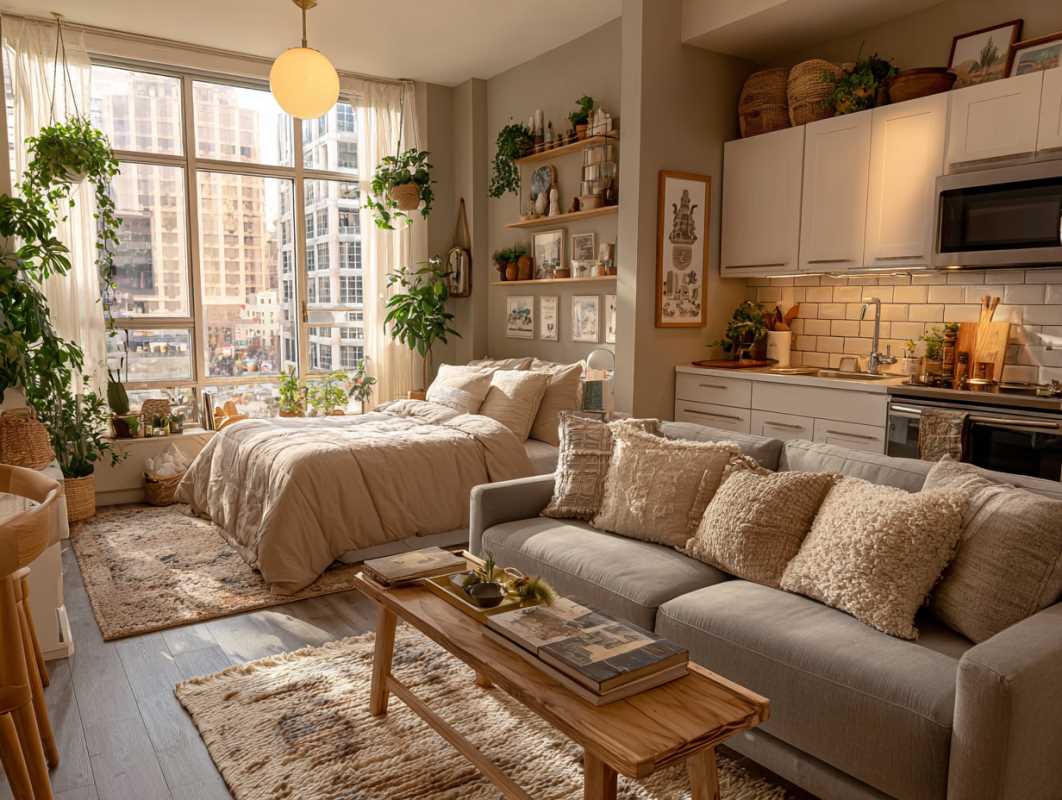
Even in a small studio apartment, you can create zones using furniture arrangement, rugs, or different lighting to visually separate the spaces.
The Influence of Color on Energy
Color is a subtle but powerful tool. Different colors can evoke different psychological responses. While personal preference plays a huge role, some general principles can help you use color to your advantage.
- For Energy and Creativity (Workspaces, Kitchens):
- Blue: Associated with productivity and focus. A soft blue is excellent for an office as it’s calming without being sedating.
- Green: Promotes balance and tranquility. It's easy on the eyes and can help you stay focused for longer periods. Think of the calming effect of nature.
- Yellow: An energetic and uplifting color, but use it sparingly. A bright yellow accent wall can be invigorating, but an entire yellow room can cause anxiety.
- For Calm and Relaxation (Bedrooms, Living Areas):
- Neutral Tones: Soft grays, beiges, and off-whites create a serene, uncluttered backdrop that promotes peace.
- Soft Pinks and Lavenders: These colors are associated with gentleness and calm, making them ideal for a relaxing bedroom environment.
You don’t need to repaint your entire house. You can introduce these colors through accent walls, pillows, throws, artwork, or other decorative items.
Bring the Outside In with Biophilic Design
Biophilic design is a concept based on the idea that humans have an innate need to connect with nature. Incorporating natural elements into your home can reduce stress, improve focus, and boost energy.
Add Houseplants
Plants do more than just look pretty. They can improve air quality, and the act of caring for them can be a meditative practice. Choose low-maintenance plants if you are a beginner.
- Snake Plant: Nearly indestructible and great for air purification.
- ZZ Plant: Thrives on neglect and low light.
- Pothos: A fast-growing vine that adds a lush, green feel to any space.
Use Natural Materials
Incorporate materials like wood, stone, bamboo, and natural fibers (like cotton, linen, or wool) into your decor. A wooden desk, a wool blanket, or a jute rug can make a space feel warmer and more grounded than plastic or metal alternatives.
Arranging Furniture for Flow
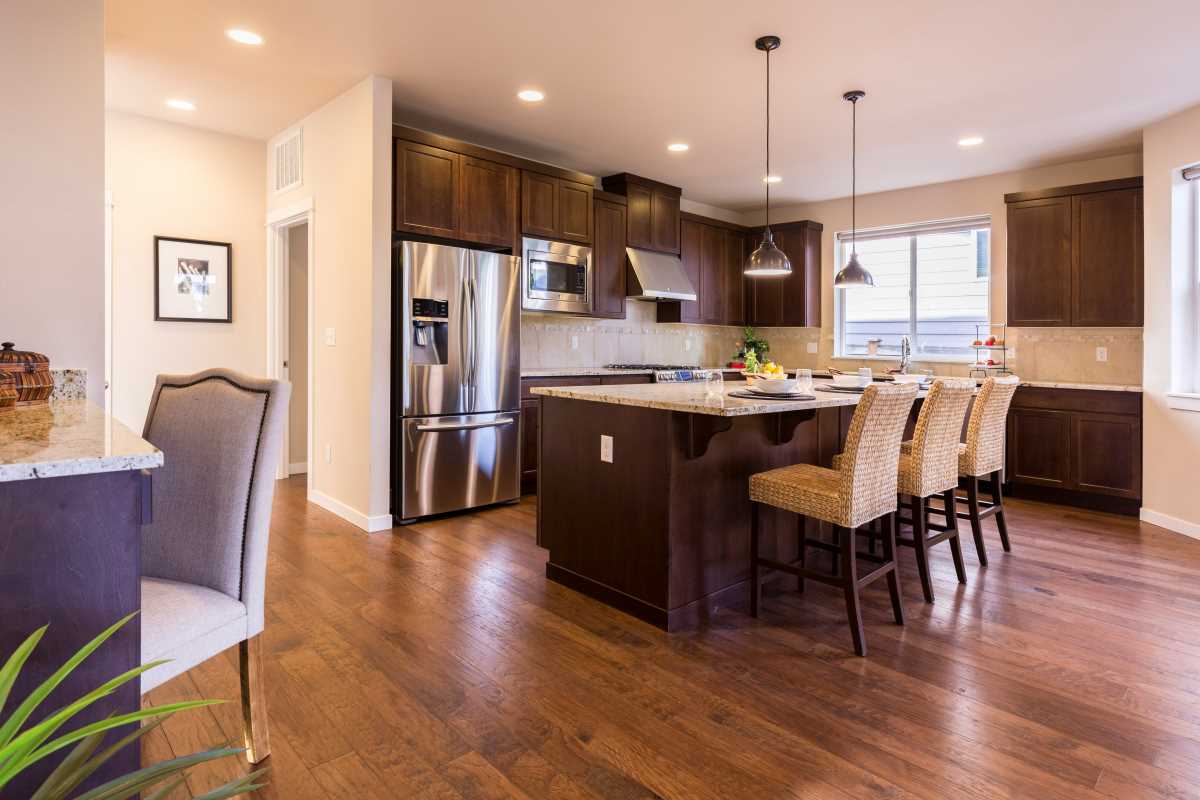
The way your furniture is arranged can either obstruct or encourage energy flow. In the design world, this is often about creating clear "traffic patterns." You should be able to walk through a room easily without bumping into things or having to navigate an obstacle course. Clunky, awkward layouts create subconscious friction and can make a space feel stressful and cramped.
Take a look at your main living area. Can you walk from the entrance to the sofa to the kitchen without weaving around furniture? If not, try pulling furniture away from the walls or creating more open pathways. A space that allows for easy movement feels more open, inviting, and energetic.