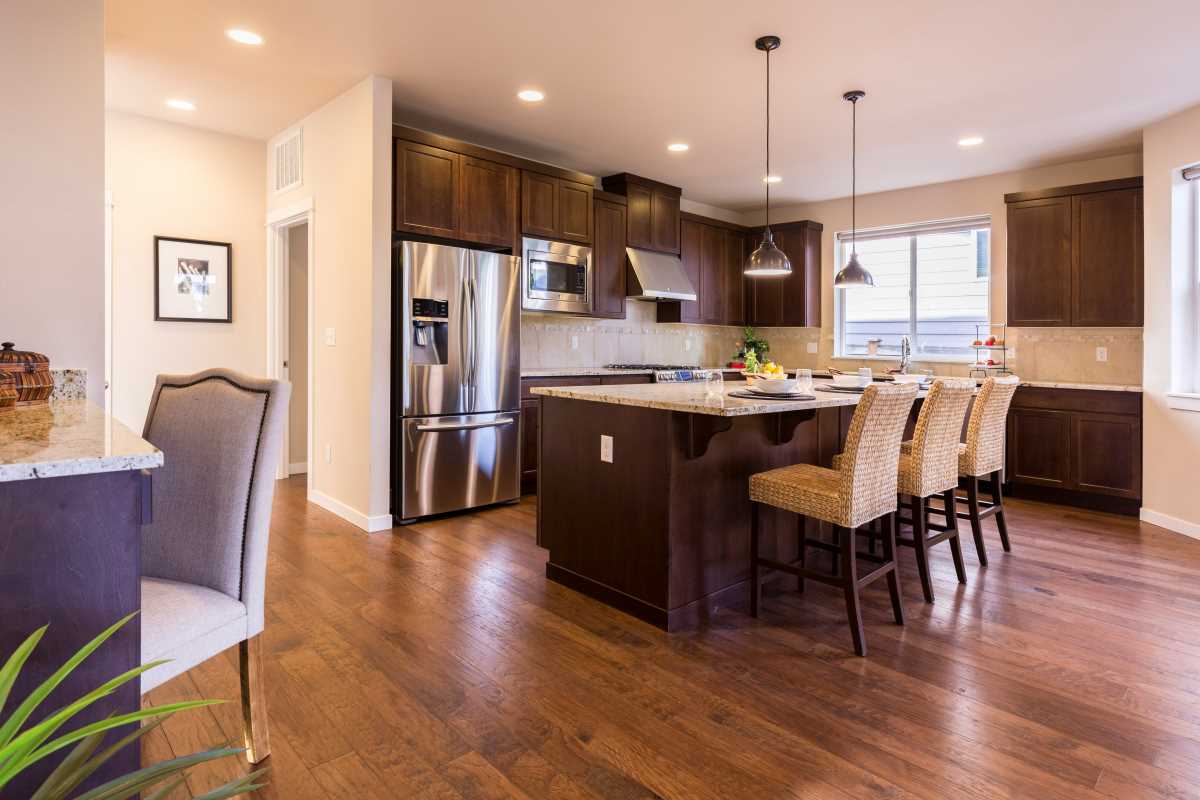
 (Image source: Midjourney)
 We often think about our footwear when our knees or hips start to ache, blaming worn-out sneakers or high heels for the discomfort, but we rarely stop to consider the ground beneath our feet. Every step you take in your kitchen, living room, or bedroom sends an impact force traveling up through your feet, ankles, knees, and hips. If the surface is unforgiving, your joints absorb the brunt of that shock, day in and day out. Choosing the right flooring isn't just a matter of interior design or aesthetics; it is a crucial environmental modification that can protect your long-term mobility, reduce chronic pain, and make your home a truly restorative space for your body.
The Science of Impact: Why Surface Matters
To understand why flooring affects your joints, you have to think about physics. When you walk, you generate a force that is roughly 1.5 times your body weight. When you run or jump, that force multiplies significantly.
This energy has to go somewhere. On a hard surface like concrete or ceramic tile, the energy is reflected back into your body. This is called "high impact." Your cartilage, the soft tissue that cushions your joints, has to work overtime to absorb this shock. Over years, this constant pounding can contribute to wear and tear, leading to conditions like osteoarthritis.
On softer, more resilient surfaces, the material itself absorbs some of that energy. It compresses slightly under your weight, dampening the blow before it reaches your skeletal system. This is why running on grass feels so much better than running on pavement. Bringing that "give" indoors is the key to a joint-friendly home.
The Hard Truth About Popular Flooring
Let's start by looking at some of the most popular flooring choices and why they might be silently sabotaging your comfort.
Tile and Stone: Ceramic tile, porcelain, and natural stone are durable, waterproof, and look beautiful. They are also the hardest surfaces you can install. Standing on tile while cooking dinner for an hour can leave your lower back throbbing and your feet aching. Because there is zero flexibility in stone, it offers zero shock absorption.
Concrete: Polished concrete has become trendy in modern industrial home designs. It is sleek and easy to clean, but it is essentially the same as walking on a sidewalk. It is the least forgiving surface for anyone with arthritis or joint sensitivities.
Hardwood: Traditional solid hardwood falls somewhere in the middle. It is softer than tile but still quite rigid. While it has a tiny amount of natural flex, installed directly over a concrete slab, it can still feel very hard on the body.
The Best Flooring Options for Joint Health
If you are renovating or building, you have the opportunity to make choices that will hug your joints rather than hurt them. Here are the top contenders for comfort.
Cork: The Natural Shock Absorber
Cork is widely considered the gold standard for ergonomic flooring. Harvested from the bark of the cork oak tree, it has a unique cellular structure resembling a honeycomb. Millions of tiny air pockets are trapped inside the material.
When you step on cork, these air pockets compress, providing a literal spring in your step. It is firm enough to support furniture but soft enough to cushion a fall or a long standing session.
- Bonus Benefit: Cork is a natural insulator. It stays warm in the winter, which is great for stiff joints that flare up in the cold. It also absorbs sound, making for a quieter, more peaceful home.
Luxury Vinyl Tile (LVT) and Plank (LVP)
Vinyl has come a long way from the shiny, plastic-looking sheets of the 1970s. Modern Luxury Vinyl Plank (LVP) is designed with multiple layers. It often includes a dedicated "wear layer" and a core that provides stability.
Many high-quality vinyl options come with an attached cork or foam underlayment. This built-in padding offers significant shock absorption compared to tile or laminate. It is also softer to the touch and warmer underfoot. Because it is waterproof, it is a fantastic alternative to stone in kitchens and bathrooms where you likely stand for long periods.
Carpet: The Classic Comforter
It might seem obvious, but carpet is the softest option available. High-quality carpet with a thick pad underneath offers the ultimate cushioning. For bedrooms and living areas where you might sit on the floor or walk barefoot, carpet is unbeatable for comfort.
However, carpet has downsides. It can be a tripping hazard if it snags or bunches up, which is a concern for those with mobility issues. It also traps dust and allergens. If you choose carpet, look for a low-pile option (shorter fibers) which provides a firmer, more stable surface for walking while still offering softness.
Rubber Flooring
Once reserved for commercial gyms, rubber flooring is making its way into residential spaces, particularly in home gyms, playrooms, and even kitchens. It provides exceptional slip resistance and shock absorption.
Rubber essentially eliminates impact stress. If you drop a glass on rubber flooring, it likely won't break. If you stand on it for hours, your legs won't feel nearly as fatigued. It comes in a variety of colors and patterns now, moving beyond just solid black mats.
Retrofitting: Solutions Without Renovating
Ripping out floors is expensive and messy. If you are stuck with hard tile or concrete and can't renovate, you can still save your joints with strategic surface additions.
Anti-Fatigue Mats
These are a must-have for any "standing zones" in your house. Place a high-quality gel or foam anti-fatigue mat in front of:
- The kitchen sink
- The stove
- The bathroom vanity
- Your standing desk
These mats are designed to force your foot muscles to make tiny, imperceptible movements to maintain balance. This micro-movement improves blood flow and reduces the stagnation that causes aches and pains.
Area Rugs with Pads
Don't just throw a thin rug over your hardwood. The real magic happens with the rug pad underneath. Invest in a thick, felt or memory foam rug pad. It transforms a decorative rug into a therapeutic surface.
This is especially important in high-traffic areas like hallways. Adding a runner rug with a thick pad can create a comfortable "pathway" through your home, allowing you to avoid the harder surfaces for the majority of your walking.
The Role of Underlayment
If you are installing new floors, the material you don't see is just as important as the one you do. Underlayment is the thin layer of material sandwiched between the subfloor (usually plywood or concrete) and your new flooring.
Do not skimp on this step. A high-quality acoustic or rubber cork underlayment can add resilience to almost any floating floor, including laminate and engineered hardwood. It acts as a shock absorber for the entire room. When shopping for flooring, always ask about the "IIC rating" (Impact Insulation Class) and thickness of the compatible underlayment options. Thicker usually means better cushion.
Smooth Transitions: Preventing Trips and Falls
Joint health isn't just about cushioning impact; it's also about preventing twisting and falling. Sudden changes in floor height can be dangerous for knees and hips that aren't stable.
When different flooring materials meet—like tile in the hallway meeting carpet in the bedroom—it creates a transition threshold. If one floor is significantly higher than the other, you have a trip hazard.
- Flush Transitions: Aim for flush transitions where the floors are level with each other. This might require building up the subfloor in the room with the thinner material.
- Ramps over Steps: If you have sunken living rooms or single steps between rooms, these can be jarring for bad knees. Consider installing small ramps or leveling the floor if a major renovation is in the budget.
Slip Resistance: Confidence in Movement
The fear of slipping causes us to change how we walk. We tense up, shorten our stride, and shuffle. This "guarded gait" creates tension in the hips and back.
A floor with good traction allows you to walk naturally and confidently.
- Look for Texture: Avoid high-gloss finishes on wood or stone, which can be slippery like ice when you are wearing socks. Matte or wire-brushed finishes on wood provide better grip.
- Tile Ratings: If you must use tile in a wet area like a bathroom, look for the "COF rating" (Coefficient of Friction). You want a high rating, which means the tile is less slippery when wet. Textured or smaller mosaic tiles are better than large, smooth slabs because the grout lines provide extra grip.
Maintaining Your Floors for Health
Even the best floors need care to remain safe and supportive.
- Repair Promptly: A loose floorboard or a lifting vinyl tile is a trip hazard waiting to happen. Fix these issues immediately to prevent sudden stumbles that can wrench a knee or ankle.
- Keep it Dry: Wet floors are dangerous floors. Clean up spills instantly.
- Clear the Clutter: Joint health relies on a clear path. Navigating around piles of laundry or cords on the floor forces you to twist and turn unnaturally.