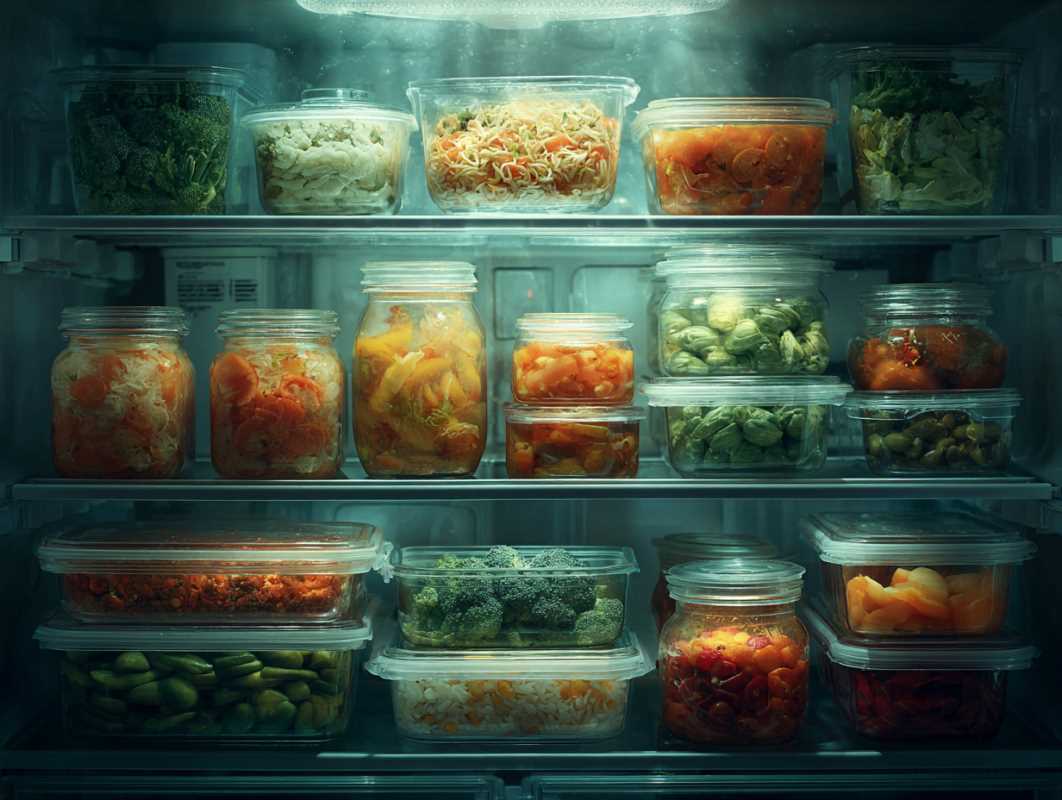
 (Image source: Midjourney)
 You bring home a beautiful haul of fresh fruits and vegetables, full of good intentions to eat healthy all week. But by Wednesday, the spinach is slimy, the berries have sprouted fuzz, and that vibrant avocado is a mushy brown mess. Not only is this a waste of money, but it also means you're losing out on the very nutrients you bought the food for. Proper food storage is more than just keeping things from spoiling; it’s about preserving the vitamins, minerals, and freshness that make healthy food so powerful. Let's dive into some simple hacks that will keep your food vibrant and nutritious for longer.
Why Nutrients Disappear from Your Food
Before we get into the "how," let's quickly cover the "why." Fresh food is alive, and from the moment it’s harvested, it begins a natural process of decay. Three main culprits are responsible for robbing your food of its nutritional value: oxygen, light, and heat.
Oxygen (Oxidation): Just like a sliced apple turns brown when exposed to air, many nutrients, especially vitamins like A, C, and E, degrade through oxidation. Oxygen breaks down these delicate compounds, reducing their potency.
Light: Have you ever noticed that oils are often sold in dark bottles? That's because light can damage sensitive fats and vitamins. Leafy greens are particularly susceptible, as light can break down folate and other B vitamins.
Heat: Warm temperatures accelerate the chemical reactions that cause food to ripen and eventually spoil. The warmer the environment, the faster your produce loses moisture and nutrients. This is why refrigeration is one of our most powerful tools.
By controlling these three elements, you can significantly slow down the nutrient loss process.
Refrigerator Rules: More Than Just Cold Air
Your refrigerator isn't just a cold box; it’s a sophisticated appliance with different zones designed for different types of food. Using it correctly is the first step toward better food preservation.
The Magic of Crisper Drawers
Those drawers at the bottom of your fridge aren't just for corralling produce. They are designed to control humidity. Most modern fridges have two crisper drawers, often with adjustable vents.
- High-Humidity Drawer: Close the vent to trap moisture inside. This is the perfect environment for foods that wilt, like leafy greens (spinach, kale, lettuce), fresh herbs, and thin-skinned vegetables like cucumbers, broccoli, and carrots.
- Low-Humidity Drawer: Open the vent to let gases escape. This drawer is ideal for fruits and vegetables that release ethylene gas, a natural ripening agent. Storing ethylene-producers here prevents them from prematurely ripening (and rotting) their neighbors. Common ethylene-producers include apples, pears, avocados, stone fruits (peaches, plums), and tomatoes.
A simple rule of thumb: If it rots, put it in the low-humidity drawer. If it wilts, put it in the high-humidity drawer.
Stop Washing Produce Before Storing It
It feels productive to wash all your fruits and veggies as soon as you get home, but this is one of the biggest mistakes you can make. Moisture is a breeding ground for mold and bacteria. The excess water from washing accelerates spoilage, especially for delicate items like berries and greens.
Instead, store produce unwashed and wash it just before you plan to eat it. The one exception is for very sandy or dirty greens like leeks or some lettuces. In that case, wash them, but make sure they are bone-dry before refrigerating. A salad spinner is an excellent tool for this.
Specific Hacks for Common Foods
Now, let's get specific. Different foods require different storage strategies to maximize their nutrient content and shelf life.
Greens and Herbs: The Bouquet Method
Leafy greens and fresh herbs are notorious for turning into a sad, slimy mess. To keep them crisp and vibrant, treat them like a bouquet of flowers.
- Trim the ends of the stems.
- Place them upright in a jar or glass with an inch of water at the bottom.
- Cover the leaves loosely with a plastic bag. This creates a mini-greenhouse effect, keeping the leaves hydrated but not wet.
- Store the jar in the fridge. This works wonders for cilantro, parsley, mint, and even asparagus.
For loose-leaf greens like spinach and arugula, here’s a game-changing trick: Store them in a hard-sided, airtight container with a paper towel or a clean dishcloth. The paper towel absorbs excess moisture that would otherwise cause the leaves to decay, while the airtight container protects them from being crushed.
Berries: The Vinegar Bath
Berries are expensive and incredibly fragile. Their delicate skin and high sugar content make them a prime target for mold. To extend their life for days, give them a quick vinegar bath.
- Mix one part white vinegar with three parts water in a large bowl.
- Submerge the berries and gently swish them around for about a minute. The vinegar kills mold spores and bacteria on the surface.
- Drain the berries and rinse them thoroughly under cold water. You won't taste the vinegar, promise!
- Dry them completely. This is the most crucial step. Lay them in a single layer on a towel or use a salad spinner lined with paper towels.
- Store them in a breathable container in the fridge, ideally lined with another paper towel.
Avocados: A Squeeze of Citrus
Everyone knows the frustration of a perfectly ripe avocado turning brown in a matter of hours. That browning is oxidation in action. To slow it down, you need an acid.
For a cut avocado, leave the pit in the half you're saving. The pit helps block some of the surface area from air exposure. Then, squeeze lemon or lime juice over the exposed flesh. The citric acid is a powerful antioxidant that will keep it green. Wrap it tightly in plastic wrap or place it in an airtight container and refrigerate.
Potatoes and Onions: Give Them Space
Potatoes, onions, and garlic are pantry staples, but they should never be stored together. Onions release ethylene gas, which causes potatoes to sprout prematurely. Potatoes, on the other hand, release moisture that can cause onions to soften and rot.
Store them separately in a cool, dark, and well-ventilated place. A pantry or a cool cupboard is ideal. Avoid the refrigerator, as the cold temperature turns the starch in potatoes into sugar, giving them a gritty texture and sweet taste. Light can cause potatoes to produce solanine, a bitter compound that makes them turn green and can be toxic in large amounts. Keep them in a paper or burlap bag to block light while allowing air to circulate.
Freezing: Locking in Nutrients for the Long Haul
The freezer is your best friend for long-term nutrient preservation. When done correctly, freezing can lock in vitamins and minerals for months, often better than storing "fresh" produce in the fridge for a week.
The Art of Blanching
For most vegetables, you'll want to blanch them before freezing. Blanching involves scalding vegetables in boiling water for a short time and then plunging them into an ice bath to stop the cooking process.
This quick step does two important things: it stops the enzyme activity that leads to loss of flavor, color, and nutrients, and it kills bacteria on the surface. Vegetables like broccoli, green beans, peas, and spinach hold up much better in the freezer after blanching.
How to Freeze for Success
- Freeze in a Single Layer: To prevent your food from freezing into one giant clump, spread items like berries, chopped vegetables, or meatballs on a baking sheet in a single layer. Freeze until solid, then transfer them to a freezer bag or container.
- Remove Air: Oxygen is the enemy, even in the freezer. It causes freezer burn, which dehydrates food and ruins its texture and flavor. Squeeze as much air as possible out of freezer bags before sealing them. If you freeze a lot, a vacuum sealer is a worthwhile investment.
- Label Everything: Always label your containers with the contents and the date. This helps you use up older items first and prevents mystery meals from languishing in the back of your freezer.
Smart Pantry Storage
Your pantry is home to grains, nuts, seeds, and oils—all of which can lose nutrients or go rancid if stored improperly.
Store whole grains, nuts, and seeds in airtight glass or metal containers. This protects them from oxygen, moisture, and pests. For expensive nuts like walnuts and pecans, which have delicate oils, the refrigerator or freezer is an even better choice to prevent them from going rancid.
Cooking oils, especially healthy ones like olive oil and flaxseed oil, are sensitive to heat and light. Keep them in a cool, dark cupboard, away from the stove. Buy them in dark glass bottles and use them within a few months of opening for the best flavor and nutritional benefit.