 (Image via
When people think about cleaning their home, they often think about having it ready for guests. But the reason to maintain your home is not about aesthetics, it's about your health too. We often think of home maintenance as a purely responsible task, something we do just to keep the roof from leaking or to ensure we get our security deposit back when we move out. But the truth is, the state of your living environment has a direct and profound impact on your physical health, your respiratory system, and even your mental well-being every single day. A neglected home can become a breeding ground for hidden health hazards like mold, dust mites, and poor air quality, which quietly chip away at your vitality. By shifting your perspective and treating home maintenance as a form of self-care, you can create a sanctuary that actively supports your immune system and keeps you feeling your best throughout every season.
The Invisible Connection: Your House and Your Health
It is easy to overlook the connection between a leaky faucet and a persistent cough, or a dusty vent and your seasonal allergies. However, the Environmental Protection Agency (EPA) states that indoor air can be two to five times more polluted than outdoor air. Since we spend about 90% of our time indoors, the "health" of our home becomes our health.
When we let maintenance slide, moisture accumulates, filters get clogged, and pests find their way in. These issues introduce biological pollutants into the air we breathe. Establishing a routine isn't just about fixing things when they break; it is about preventative care for your living space, much like eating vegetables is preventative care for your body.
Breathe Easier: managing Air Quality and HVAC Systems
Your Heating, Ventilation, and Air Conditioning (HVAC) system is essentially the lungs of your home. If it is dirty, you are breathing dirty air. Neglecting this system is one of the most common ways people accidentally sabotage their health.
The Filter Rule
The simplest yet most impactful habit is changing your air filters regularly.
- Why it matters: A clogged filter can't trap dust, pollen, pet dander, or mold spores effectively. Instead, it circulates them back into the room.
- The Habit: Check your filter every month. If you have pets or allergies, you likely need to change it every 60 days. If not, every 90 days is the standard. Mark it on your calendar or set a recurring reminder on your phone so you never forget.
Duct Maintenance
Over years, your air ducts can collect inches of dust and debris. While you don't need to clean them annually, having them inspected every 3-5 years can prevent circulation of deeper contaminants. If you see dust puffing out of a vent when the AC turns on, it is time for a professional cleaning.
controlling Moisture: The Mold Prevention Plan
Moisture is the enemy of a healthy home. Where there is water, mold will eventually follow. Mold spores are a major trigger for asthma, allergies, and other respiratory issues, and toxic black mold can cause even more severe health problems.
Inspect for Leaks
Make it a habit to check "hidden" areas for water damage every season.
- Look under sinks in the kitchen and bathroom.
- Check the wall behind your washing machine.
- Inspect the ceiling on the top floor for roof leak signs (discolored spots).
Manage Humidity Levels
High humidity makes your home feel sticky and encourages mold growth. Conversely, air that is too dry can irritate your throat and nasal passages, making you more susceptible to viruses.
- The Sweet Spot: Aim to keep indoor humidity between 30% and 50%.
- The Tool: Buy a cheap hygrometer (humidity monitor) to keep on a shelf.
- The Fix: Use a dehumidifier in damp basements during summer, and a humidifier in the bedroom during dry winters. Always run the exhaust fan when showering or cooking to vent excess moisture outside.
The Dust Battle: Reducing Allergens
Dust isn't just dirt; it is a cocktail of dead skin cells, bug parts, fabric fibers, and dust mites. Dust mites are microscopic creatures that thrive in soft furnishings, and their waste is a potent allergen for many people.
declutter to Dust Less
The more stuff you have sitting out, the more surfaces there are for dust to collect on. Keeping surfaces clear makes cleaning faster and more effective.
Wet Dusting vs. Dry Dusting
Feather dusters might look fun, but they mostly just spread dust around into the air, where you then inhale it.
- The Better Way: Use a damp microfiber cloth. The moisture traps the dust on the cloth so you can actually remove it from your home.
- The Schedule: Wipe down surfaces weekly, including often-missed spots like ceiling fan blades, baseboards, and the tops of door frames.
Vacuum Smarter
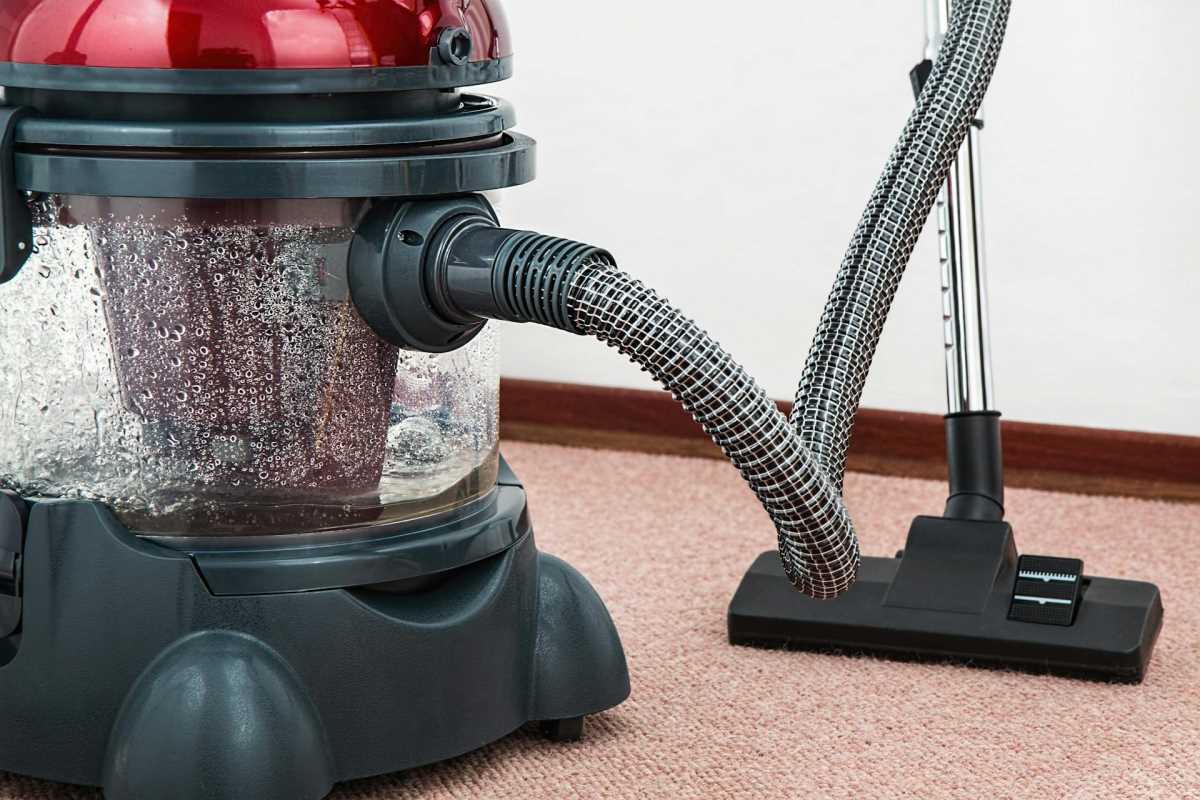
Not all vacuums are created equal. To truly protect your health, use a vacuum with a HEPA (High-Efficiency Particulate Air) filter. These filters are designed to trap 99.97% of tiny particles, ensuring they don't get blown back out of the exhaust vent.
Kitchen Hygiene: preventing Foodborne Illness
The kitchen is the heart of the home, but it can also be a hotspot for bacteria like Salmonella and E. coli if not maintained correctly.
Refrigerator Maintenance
A fridge that isn't cooling properly is a health hazard.
- Check the Seal: The rubber gasket around the door keeps cold air in. If it is cracked or loose, warm air enters, potentially spoiling food faster. Test it by closing the door on a dollar bill. If you can pull the bill out easily, the seal needs replacing.
- Clean the Coils: Dusty condenser coils (usually on the back or bottom) make your fridge work harder and can lead to failure. Vacuum them once a year.
The Sponge Situation
Your kitchen sponge is likely the dirtiest item in your house. It is damp, porous, and full of food scraps—a bacterial paradise.
- The Habit: Replace your sponge every week, or sanitize it daily by running it through the dishwasher on a hot cycle. Don't wait until it smells; by then, it's already too late.
Safety First: Detectors and Hazards
Some home health hazards are immediate and deadly, like fire or carbon monoxide. Maintenance here is non-negotiable.
Smoke and Carbon Monoxide Detectors
You should test these devices monthly by pressing the "test" button. It takes five seconds and saves lives.
- Battery Swap: Change the batteries every six months. A good trick is to do this when you change your clocks for Daylight Saving Time.
- Expiration Dates: Yes, alarms expire. Smoke alarms usually last 10 years, and carbon monoxide detectors last 5-7 years. Check the date printed on the back and replace the entire unit if it is old.
Chimney Sweeping
If you have a wood-burning fireplace, creosote (a flammable tar) builds up in the chimney. This can lead to chimney fires or cause smoke to back up into your living room. Have it inspected and swept annually before the winter season begins.
Outdoor Habits that Protect the Indoors
Your yard creates the perimeter for your home's health. Neglecting the outside often leads to problems inside.
Gutter Cleaning
Clogged gutters cause water to overflow and pool around your foundation. This water can seep into your basement or crawlspace, causing mold issues that drift upward into your living area. Clean gutters in the spring and late fall to keep water flowing away from your house.
Pest Prevention
Mice and insects carry diseases. They look for entry points when the weather gets cold.
- Seal the Gaps: Walk around your foundation and look for cracks or holes. Seal them with steel wool and caulk.
- Trim Vegetation: Keep tree branches and shrubs trimmed back from the house. These act as "bridges" for pests to access your roof or siding.
Creating a Low-Toxin Environment
Part of maintenance is choosing what you bring into your home. Many conventional cleaning products and paints release Volatile Organic Compounds (VOCs)—gases that can cause headaches, dizziness, and long-term health issues.
- Choose Low-VOC Paints: When doing touch-ups or repainting a room, always opt for Low-VOC or Zero-VOC paints. They have virtually no smell and don't off-gas harmful chemicals.
- Green Cleaners: Swap out harsh bleach and ammonia-based cleaners for gentler options like vinegar, baking soda, or plant-based certified products. They are often just as effective for maintenance cleaning and are much safer for your lungs and skin.
Be Consistent
The idea of doing all this might feel overwhelming, but you don't have to do it all at once. The key is to break it down seasonally.
- Spring: Focus on deep cleaning, checking window screens, and clearing gutters.
- Summer: Manage humidity, check AC filters, and inspect for pests.
- Fall: Service the heating system, seal gaps, and clean gutters again.
- Winter: Test detectors, manage indoor dust, and watch for ice dams.
Your home is a living system, much like your body. It breathes, it circulates fluids, and it protects you from the elements. When you treat your home with care and respect through regular maintenance, it returns the favor by providing a safe, clean, and healthy environment where you can thrive.