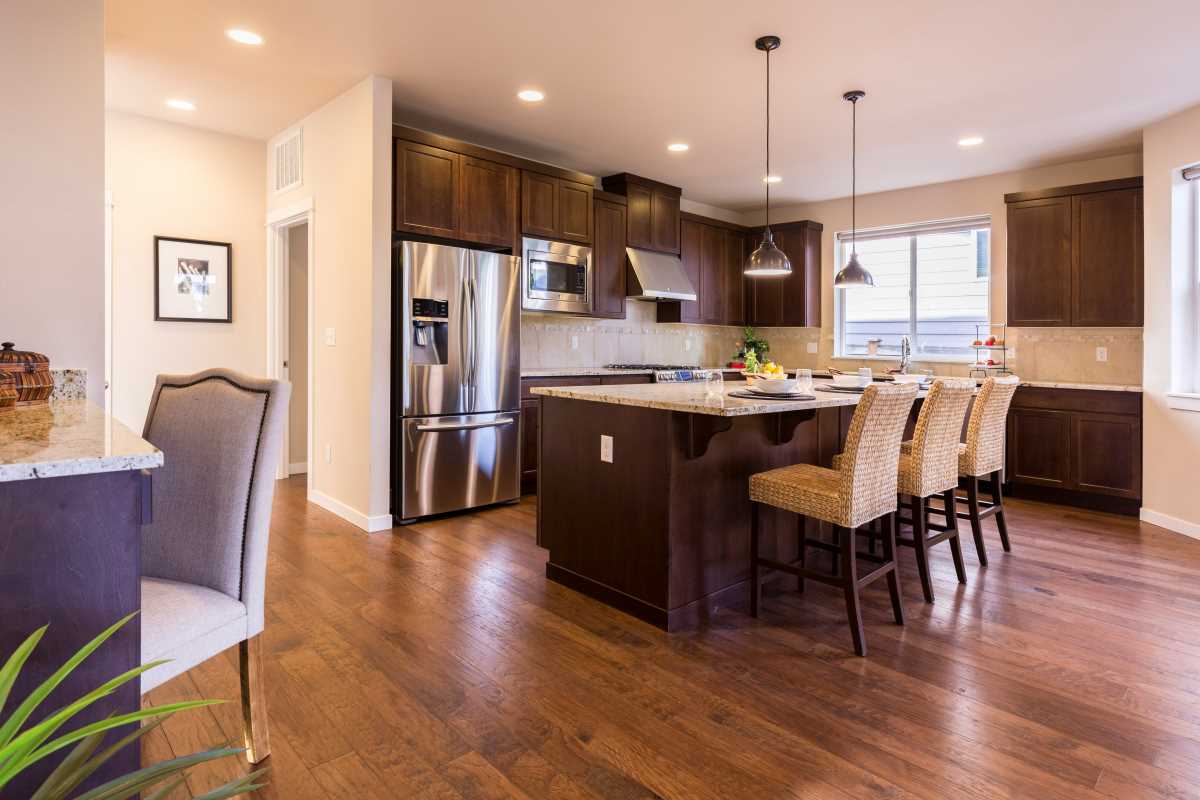
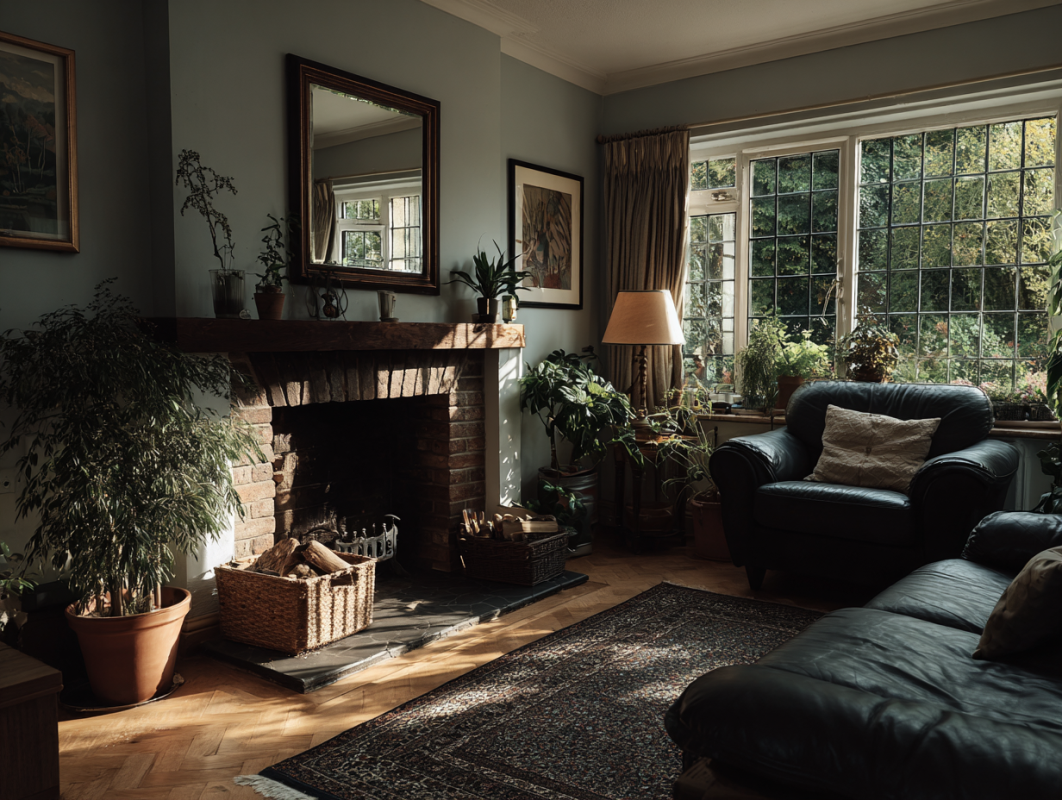
 (Image source: Midjourney)
 Sometimes a bright, sunny morning makes you feel like you can conquer the world, while a gloomy, overcast afternoon makes you want to crawl under a blanket and nap for three hours. That shift in energy isn't just in your head; it is a biological response deeply hardwired into your DNA. Our bodies are designed to function in sync with the sun, yet we spend the vast majority of our modern lives indoors, often under harsh fluorescent bulbs or in dimly lit rooms that confuse our internal clocks. The good news is that you don't need to knock down walls or install skylights to fix this. By using a few clever natural lighting tricks, you can dramatically increase the amount of sunlight in your home, boosting your mood, sharpening your focus, and making your space feel larger and more inviting all at the same time.
The Science of Sunlight: Why Your Brain Craves It
To understand why lighting matters, we have to look at how our brains operate. Your body runs on a circadian rhythm, a 24-hour internal clock that tells you when to wake up and when to sleep. This clock is primarily regulated by light.
When sunlight hits your eyes in the morning, it triggers the release of serotonin, a hormone associated with boosting mood and helping you feel calm and focused. It also signals the production of cortisol, which—in healthy amounts—acts like nature's coffee, making you feel alert and awake. Conversely, dim lighting signals your brain to produce melatonin, the hormone that makes you sleepy. If you are trying to work or study in a dark room, you are fighting a losing battle against your own biology. Your brain thinks it is bedtime, while your to-do list says it is crunch time.
The Mirror Method: Bouncing Light Into the Shadows
One of the oldest and most effective tricks in the interior design book is the strategic use of mirrors. A mirror is more than just a place to check your hair; it is a tool for light redistribution.
Placement is Everything
Simply hanging a mirror on a wall won't necessarily help. To maximize natural light, you need to think about angles.
- Opposite the Window: Placing a large mirror on the wall directly opposite a window is the most effective move. It essentially mimics a second window, reflecting the outdoors and bouncing that incoming light back into the room.
- Adjacent Walls: If you can't place it opposite, a mirror on an adjacent wall can help catch the light as it enters and cast it into darker corners.
Go Big or Go Multi
A tiny vanity mirror won't make much of a dent. Aim for large, statement mirrors or create a "gallery wall" of smaller mirrors. The more reflective surface area you have, the more photons you can bounce around the room.
Optimize Your Window Treatments
Many of us accidentally sabotage our natural light with the wrong curtains or blinds. Heavy, dark drapes might look dramatic, but they act like light sponges, absorbing the sun before it can reach you.
The "High and Wide" Rule
This is a secret weapon for both light and aesthetics. Most people hang their curtain rods directly above the window frame and only as wide as the window itself.
- The Fix: Install your curtain rod 6 to 12 inches above the window frame and extend it 10 to 12 inches wider than the window on each side.
- The Result: When the curtains are open, they rest against the wall rather than covering the glass. This exposes the entire window pane to the sun, letting in maximum light while making your windows look huge.
Switch to Sheers
If you need privacy but don't want to live in a cave, layer your window treatments. Use sheer, white curtains as your primary layer. They diffuse the light, softening harsh glare while still allowing brightness to permeate the room. Save the blackout curtains for the bedroom at night.
The Invisible Barrier: Clean Your Glass
It sounds too simple to be true, but dirty windows are a major thief of natural light. Over months, a thin film of dust, pollen, and hard water spots builds up on your glass. This film acts like a filter, significantly reducing the intensity of the light entering your home.
Make it a habit to wash your windows—inside and out—at least twice a year. You might be shocked at how much brighter your room feels instantly.
Don't forget the screens. Window screens can block up to 30% of sunlight. If you live in a climate where you don't open your windows often during the winter, consider removing the screens entirely for the darker months and storing them until spring.
Paint and Color: The Light Reflectance Value (LRV)
Color isn't just about style; it's about physics. Different colors absorb and reflect light differently. When choosing paint for a room that needs a brightness boost, you should pay attention to a metric called Light Reflectance Value (LRV).
Most paint brands list the LRV on their color swatches. It is a scale from 0 (absolute black, absorbing all light) to 100 (pure white, reflecting all light).
- The Goal: For a brighter room, choose wall colors with an LRV of 60 or higher.
- The Ceiling Trick: Even if you love color on the walls, keep the ceiling bright white. A white ceiling acts as a reflector, bouncing light down onto your workspace or living area. A dark ceiling will trap light and make the room feel oppressive.
Don't Forget the Floor
Dark hardwood or carpet can suck the light right out of a room. If you can't replace the flooring, toss down a large, light-colored area rug. A cream or off-white rug will reflect light back up, contributing to the overall ambient brightness.
Furniture Arrangement: Clear the Path
Imagine the path of sunlight as a stream of water flowing from your window. Would you put a giant boulder in the middle of the stream? Probably not, yet we often place high-backed sofas, tall bookshelves, or bulky armoires right next to windows.
Low Profile is Best
Keep tall furniture against internal walls. Near the windows, stick to low-profile furniture like benches, low-back chairs, or side tables. This ensures the light can travel deep into the room without obstruction.
The Desk Dilemma
If you work from home, your desk position is critical for focus.
- The Mistake: Placing your desk facing the window directly often leads to eye strain because the brightness contrast between your screen and the window is too high.
- The Solution: Position your desk perpendicular to the window. This allows the light to wash across your workspace from the side, illuminating your papers and keyboard without blinding you. This setup reduces glare and keeps you alert.
Bring the Outdoors In (Literally)
Sometimes the blockage isn't inside the house at all. Take a walk outside and look at your windows. Are there overgrown hedges, tree branches, or tall shrubs blocking the glass?
Pruning back vegetation that has crept up over your windows is one of the fastest ways to increase light levels. A tree branch might only block a small portion of the window, but the leaves create a dappled shade that can significantly darken a room.
Once you've cleared the view, bring some plants inside. While plants don't generate light, placing them near windows draws the eye toward the light source. The psychological connection to nature, combined with the brightness, creates a "biophilic" effect that is proven to lower stress and improve concentration.
Manage Glare to Maintain Focus
While we want light, we don't want glare. Glare happens when light bounces off a reflective surface (like your laptop screen or a glossy table) and hits your eyes directly. This causes visual fatigue, headaches, and a drop in productivity.
If you have a particularly bright south-facing window, raw sunlight might be too intense for focused work. This is where "diffusion" comes in.
- Matte Surfaces: Choose furniture with matte finishes rather than high-gloss lacquer.
- Adjustable Blinds: Venetian blinds or shutters allow you to angle the slats. You can direct the light up toward the ceiling (where it will diffuse gently) rather than letting it hit your desk directly.
Fake It 'Til You Make It: Supplemental Lighting
Sometimes, despite your best efforts, a room is just dark. Maybe you have north-facing windows or live in a basement apartment. In these cases, you can mimic natural light with technology.
Check the Kelvins
Light bulbs are rated by "color temperature," measured in Kelvins (K).
- 2700K (Warm White): This is yellowish and cozy, great for relaxing in the evening but terrible for focus.
- 5000K - 6500K (Daylight): This range mimics the blue-white spectrum of the midday sun.
If you are struggling with energy, swap the bulbs in your workspace for "daylight" bulbs (around 5000K). Use these during the day to trick your brain into staying alert, then switch to warmer lamps in the evening to prepare for sleep.