 (Image via
Color in design can have a profound effect on your mood, affecting your stress levels and energy. The fields of color psychology and interior design show us how making intentional choices about the colors and design elements can promote happiness, calm, and positive energy. Of course, which colors make people happy depends on the individual. But for a great majority of people, the psychology of certain colors makes sense.
Here, we'll go over the psychology of color tones and which colors you should consider implementing into your space. We'll also cover lighting and texture and what they can do for a space. With that said, let's get started!
The Power of Color Psychology in Your Home
Color is more than just a visual experience; it's a source of information that generates an emotional response. Different colors can trigger specific feelings based on a combination of cultural associations, personal experiences, and even biological reactions. While everyone’s relationship with color is unique, there are some widely accepted principles you can use as a guide. Understanding these can help you paint your way to a better mood.
Warm Colors: Energy and Optimism
Warm colors like red, orange, and yellow are known for their ability to evoke feelings of happiness, optimism, and energy. They are attention-grabbing and can make a large room feel cozier and more intimate.
- Yellow: The color of sunshine, yellow is a powerful mood-lifter. It’s associated with joy, happiness, and intellect. A splash of yellow in a kitchen or dining room can create a welcoming, energetic atmosphere perfect for starting the day. However, be mindful of the shade. Bright, intense yellows can sometimes cause feelings of frustration or anxiety, while softer, buttery yellows are generally more calming and cheerful.
- Orange: A blend of red's passion and yellow's cheerfulness, orange radiates warmth and enthusiasm. It's a great color for encouraging creativity and conversation, making it a good choice for a home office, playroom, or living room where you entertain guests. Terracotta and burnt orange shades can bring an earthy, comforting feel to a space.
- Red: The most intense color, red is associated with passion, energy, and excitement. It can increase your heart rate and stimulate conversation. Because it's so powerful, red is often best used as an accent color rather than a wall-to-wall choice. A red front door can feel welcoming, while red accent pillows or a piece of art can inject life into a neutral room.
Cool Colors: Calm and Serenity
Cool colors like blue, green, and purple tend to have a calming effect on the mind and body. They can make a small room feel larger and more open, creating a sense of peace and tranquility.
- Blue: Often cited as the most calming color, blue is associated with stability, serenity, and peace. It has been shown to lower blood pressure and slow heart rate. Lighter shades of blue are perfect for bedrooms and bathrooms, creating a relaxing, spa-like retreat. Deeper blues, like navy, can add a sense of sophistication and are great for creating a focused environment in a home office or library.
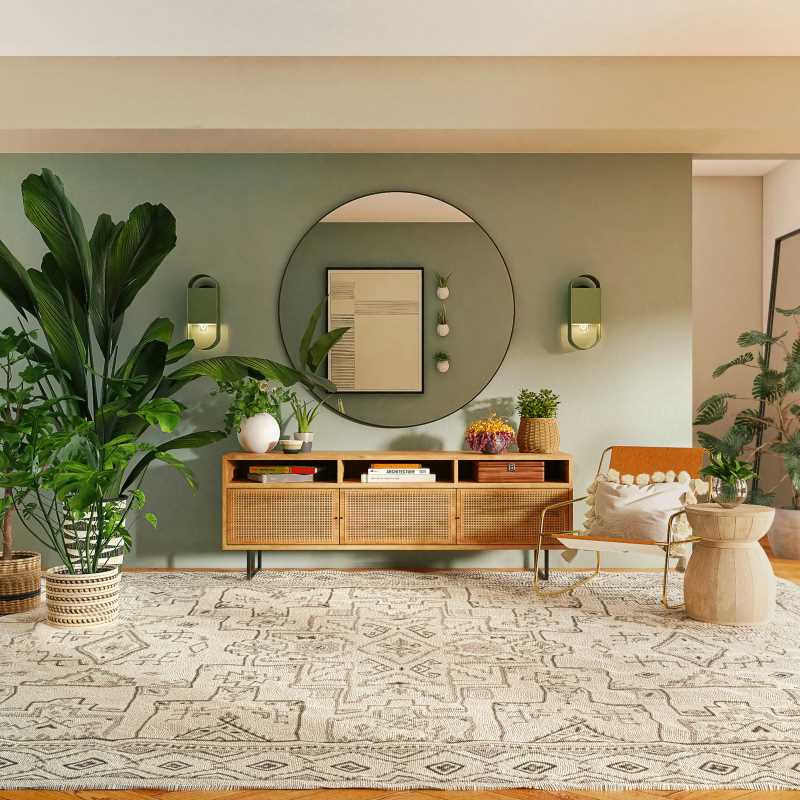
- Green: The color of nature, green is incredibly restful for the eye. It symbolizes growth, harmony, and renewal. Because it is so balanced, green is a versatile choice for almost any room in the house. Sage green can make a living room feel tranquil, while a brighter lime green can add a playful pop to a child's room. Bringing actual greenery into your home with houseplants is another fantastic way to harness its calming power.
- Purple: A mix of red's energy and blue's calm, purple can be either dramatic or soft. Lighter shades like lavender and lilac have a restful quality similar to blue, making them great for bedrooms. Deeper shades like eggplant can feel rich, luxurious, and creative. It's often associated with spirituality and mindfulness, making it a nice choice for a meditation corner or a quiet reading nook.
Neutral Colors: The Foundation for Balance
Neutrals like white, gray, beige, and black provide a crucial foundation for your home's design. They are the quiet backdrop that allows other colors and design elements to shine.
- White: Associated with cleanliness, simplicity, and spaciousness. An all-white room can feel fresh and modern, but can also feel sterile if not balanced with texture and warmth.
- Gray: A sophisticated and versatile neutral. Warm grays can feel cozy, while cool grays create a crisp, contemporary look. It’s a perfect base color that pairs well with almost any accent color.
- Beige and Brown: Earthy and grounding, these colors bring a sense of natural warmth and stability to a space. They are comforting and reliable, creating a solid, relaxing foundation.
Beyond Color: Design Elements That Boost Your Mood
Your mood isn't just affected by paint. The arrangement of your furniture, the amount of light, and the textures you use are all part of the emotional landscape of your home.
Let There Be Light
Natural light is one of the most powerful mood boosters available. Exposure to sunlight helps regulate our circadian rhythms (our internal body clock), which improves sleep quality and energy levels. It also boosts the body’s production of serotonin, a hormone that helps us feel calm and focused.
- Maximize Natural Light: Keep windows clean and unobstructed. Use sheer or light-colored curtains that allow light to filter through while still providing privacy. Place mirrors opposite windows to bounce light around the room, making it feel brighter and larger.
- Layer Your Artificial Lighting: A single, harsh overhead light can feel sterile and unwelcoming. Use a layered lighting approach instead.
- Ambient Lighting: The main source of light, like a ceiling fixture or recessed lighting. Use dimmer switches to adjust the mood.
- Task Lighting: Focused light for specific activities, like a reading lamp by a chair or under-cabinet lighting in the kitchen.
- Accent Lighting: Used to highlight artwork or architectural features, adding depth and interest to a room.
The Flow of Your Space
The way you arrange your furniture can impact how you move and interact within a room, which in turn affects your mood. A cluttered, cramped space can create feelings of stress and confinement.
- Create Clear Pathways: Ensure there is a logical and easy path to walk through a room without bumping into furniture. This creates a sense of order and ease.
- Encourage Connection: In living rooms, arrange seating in a way that facilitates conversation. Face sofas and chairs toward each other rather than all pointing at the television.
- Declutter Ruthlessly: Clutter is a major source of stress. It bombards our minds with excessive stimuli, making it difficult to relax and focus. Regularly edit your belongings and ensure everything has a designated home. A visually clean space leads to a clearer mind.
The Power of Texture
Texture adds depth and warmth to a room, making it feel more inviting and comfortable. Incorporating a variety of textures can make a neutral space feel rich and interesting.
- Incorporate Softness: Think about adding plush throw blankets, soft velvet pillows, a fuzzy sheepskin rug, or a chunky knit ottoman. These soft textures appeal to our sense of touch and create a feeling of coziness and security.
- Mix in Natural Materials: Wood, stone, wicker, and linen bring the outside in, connecting us to nature. A wooden coffee table, a jute rug, or linen curtains can add an organic, grounding element to a room.
Embrace Nature
Biophilic design is the practice of connecting people and nature within our built environments. Bringing natural elements into your home is proven to reduce stress, improve cognitive function, and enhance creativity.
- Houseplants Are a Must: Plants not only purify the air but also add a vibrant touch of green that is inherently calming. Choose plants that suit the light conditions of your home, whether it’s a low-light-loving snake plant or a sun-worshipping fiddle leaf fig.
- Natural Patterns and Art: If you don't have a green thumb, you can still incorporate nature through art and patterns. Choose artwork depicting landscapes, or use textiles with botanical or floral prints.
While these guidelines are a great starting point, the most important rule is to surround yourself with colors and objects that you love. Your home should be a reflection of your personality and a collection of things that bring you joy.