 (Image via
Inflammation is often painted as "the bad guy" in health circles, the reason behind everything from aching joints to fatigue and lingering skin issues. The reality is that your body's inflammatory responses aren't trying to hurt you. Inflammation is your body's natural defense mechanism against injury and illness, and a sign that your immune system is actually working. The problem arises when this fiery response doesn't switch off, leading to chronic, low-grade inflammation that can silently damage your health over time.
When it comes to fighting persistent inflammation, you don't need a medicine cabinet full of pills to cool things down. The most powerful tools are likely already waiting for you in the produce aisle and your spice rack. By strategically adding specific anti-inflammatory ingredients to your weekly meals, you can help calm your system, boost your energy, and support long-term wellness.
The link between what we eat and how we feel is undeniable. The Standard American Diet, which is often high in processed sugars, refined carbs, and unhealthy industrial oils, acts like fuel for the fire of inflammation. On the flip side, an anti-inflammatory diet acts like a fire extinguisher. It’s not about following a restrictive detox or cutting out entire food groups forever; it’s about crowding out the pro-inflammatory foods with nutrient-dense options that actively heal and soothe the body. Let's explore some of the most potent anti-inflammatory ingredients you can easily add to your grocery list this week.
The Golden Child: Turmeric
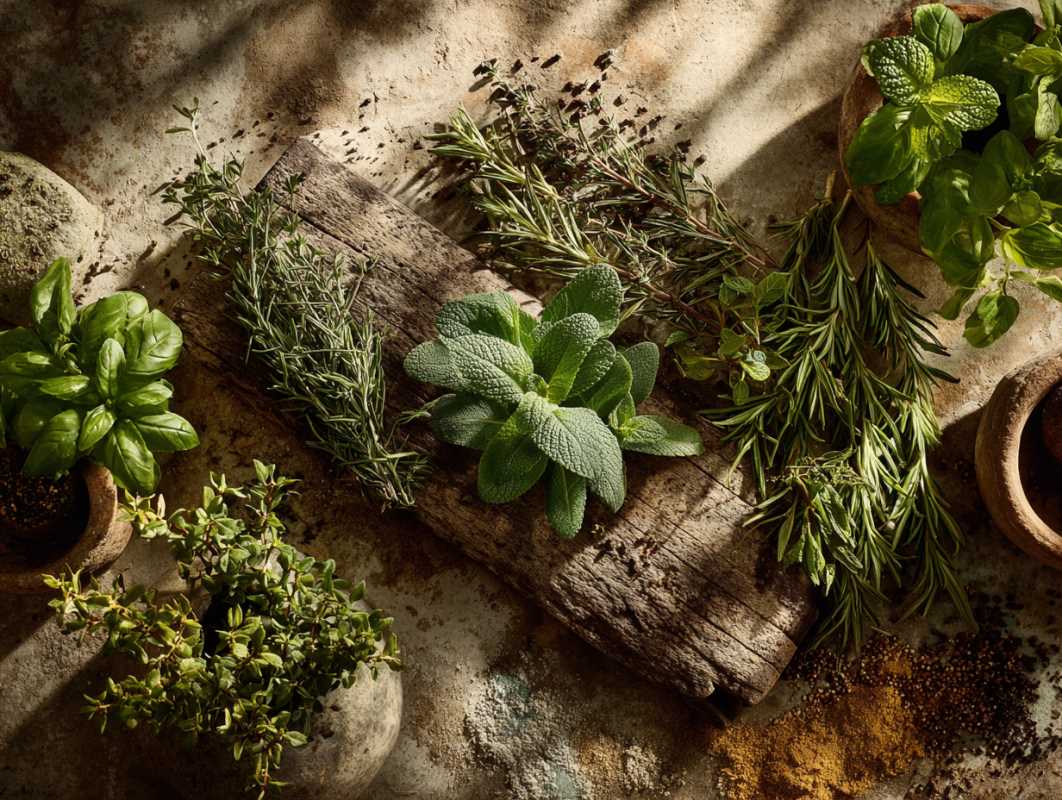
If there is a superstar in the world of anti-inflammatory foods, it is undoubtedly turmeric. This bright yellow spice, commonly used in curry powders, contains a compound called curcumin. Curcumin is a bioactive substance that fights inflammation at the molecular level, blocking the molecules that travel into the nuclei of your cells and turn on inflammation-related genes.
- The Catch: Curcumin is poorly absorbed into the bloodstream on its own. To unlock its full potential, you need to consume it with black pepper, which contains piperine. Piperine enhances the absorption of curcumin by up to 2,000%.
- How to Use It:
- Golden Milk: Make a soothing tea with almond milk, a teaspoon of turmeric, a pinch of black pepper, ginger, and honey.
- Roasted Veggies: Toss cauliflower or potatoes with olive oil, turmeric, and black pepper before roasting.
- Scrambles: whisk a pinch into your morning eggs or tofu scramble for a beautiful color and a health boost.
The Berry Brigade: Blueberries and Strawberries
Berries are small but mighty. They are packed with fiber, vitamins, and minerals, but their real power comes from antioxidants called anthocyanins. These compounds give berries their deep red, purple, and blue hues and have been shown to reduce immunity markers in the body. Whether you choose blueberries, strawberries, raspberries, or blackberries, you are making a great choice.
- Fresh vs. Frozen: Don't worry if fresh berries are out of season or too expensive. Frozen berries are picked at peak ripeness and flash-frozen, locking in their nutrients. They are just as healthy as fresh ones and often cheaper.
- How to Use Them:
- Breakfast Topper: Add them to oatmeal, yogurt, or chia pudding.
- Salad Sweetness: Toss fresh strawberries or blueberries into a spinach salad with some goat cheese and walnuts.
- Smoothies: Keep a bag in the freezer to add thickness and nutrition to your daily smoothie.
The Omega-3 Powerhouses: Fatty Fish
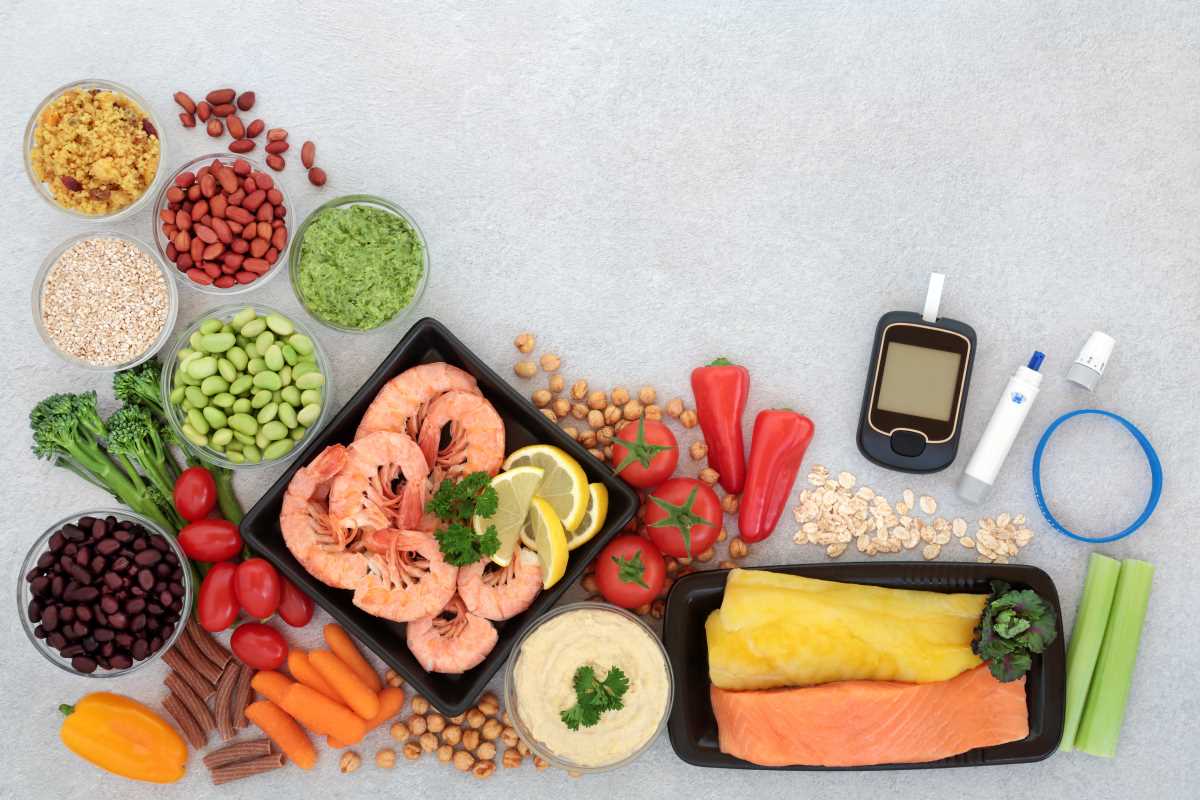
You have probably heard that fats are bad for you, but that is an outdated myth. Your body needs fat to function, and the type of fat matters immensely. Omega-3 fatty acids are essential fats, meaning your body can't make them, so you have to get them from food. They are incredibly effective at reducing the production of substances linked to inflammation, such as inflammatory eicosanoids and cytokines.
- The Best Sources: Salmon, mackerel, sardines, anchovies, and herring are top-tier choices.
- How to Use Them:
- Sheet Pan Salmon: Roast salmon fillets with asparagus and lemon for a 15-minute dinner.
- Sardine Swap: If you are brave, swap tuna for sardines in your lunch salad. They are lower in mercury and higher in Omega-3s.
- Tuna Cakes: Mix canned salmon or tuna with breadcrumbs, an egg, and herbs, then pan-fry for quick fish cakes.
The Green Machines: Leafy Greens and Cruciferous Veggies
Your parents were right: you need to eat your greens. Dark leafy greens like spinach, kale, and Swiss chard are loaded with antioxidants and polyphenols that protect your cells. On the other hand, cruciferous vegetables like broccoli, cauliflower, and Brussels sprouts contain sulforaphane, a compound that blocks enzymes that cause joint destruction and inflammation.
- How to Use Them:
- The "Hide It" Method: finely chop spinach or kale and stir it into soups, stews, or pasta sauces. It wilts down to almost nothing, so you get the benefits without feeling like you're eating a salad.
- Roasted Broccoli: Toss florets with garlic and olive oil and roast until crispy. Even people who "hate" vegetables usually love them roasted.
- Kale Chips: Massage kale pieces with a little oil and salt, then bake at a low temperature until crunchy for a healthier alternative to potato chips.
The Liquid Gold: Extra Virgin Olive Oil
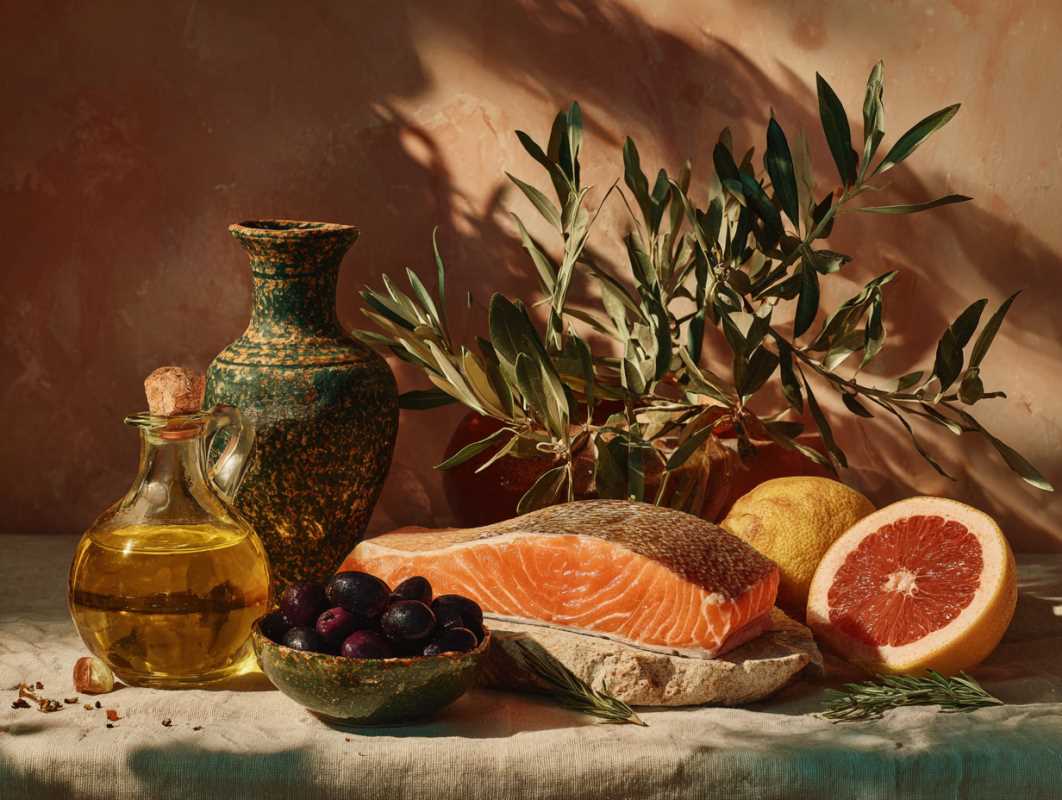
The Mediterranean diet is famous for its health benefits, and extra virgin olive oil (EVOO) is its cornerstone. EVOO is rich in monounsaturated fats and a compound called oleocanthal, which has an effect similar to anti-inflammatory drugs like ibuprofen.
- Buying Tip: Look for "Extra Virgin" on the label, which means the oil is less processed and retains more nutrients. Store it in a dark, cool cupboard to prevent it from going rancid.
- How to Use It:
- Dressings: Use it as the base for homemade salad dressings instead of buying bottled ones, which often use cheap, inflammatory soybean or canola oils.
- Finishing Oil: Drizzle it over cooked vegetables, soups, or pasta just before serving to preserve its flavor and antioxidants.
The Crunchy Defenders: Walnuts and Seeds
If you don't eat fish, nuts and seeds are your best friends for fighting inflammation. Walnuts, in particular, are rich in ALA (alpha-linolenic acid), a type of plant-based Omega-3. Chia seeds, flaxseeds, and hemp seeds are also fantastic sources of healthy fats and fiber.
- How to Use Them:
- The Crunch Factor: Sprinkle pumpkin seeds or walnuts over your salads or roasted veggies for added texture.
- Flax Egg: Ground flaxseed can be mixed with water to create a vegan egg substitute for baking.
- Chia Jam: Cook down berries with chia seeds to make a natural, low-sugar jam for toast.
The Root of Wellness: Ginger
Ginger is a close relative of turmeric and shares many of its medicinal properties. It has been used for centuries to treat nausea, but it is also a potent anti-inflammatory agent. Compounds known as gingerols are responsible for its spicy kick and its ability to inhibit the synthesis of pro-inflammatory markers. It’s particularly good for soothing sore muscles and helping with joint pain.
- How to Use It:
- Tea: Steep fresh slices of ginger in hot water with lemon for a warming drink.
- Stir-Frys: Mince fresh ginger and garlic as the aromatic base for any vegetable stir-fry.
- Smoothie Kick: Add a small knob of fresh ginger to a green smoothie to cut the bitterness of the greens and add a zesty flavor.
Building Your Anti-Inflammatory Week
Knowing the ingredients is step one; eating them is step two. You don't need to overhaul your entire diet overnight. The goal is consistency, not perfection. Try to incorporate one or two of these ingredients into your meals each day.
Here is a simple way to visualize a day of fighting inflammation:
- Breakfast: Oatmeal topped with walnuts, chia seeds, and blueberries.
- Lunch: A large salad with spinach, grilled salmon, and an olive oil vinaigrette.
- Snack: An apple with a handful of almonds, or a cup of green tea.
- Dinner: A stir-fry with broccoli, bell peppers, tofu or chicken, lots of ginger, garlic, and a sprinkle of turmeric.
The information provided on StayHealthyAndWell is intended for general informational and educational purposes only. Content on this website is not a substitute for professional medical advice, diagnosis, or treatment.
StayHealthyAndWell is not operated by licensed dietitians, registered nutritionists, physical therapists, personal trainers, or medical professionals. Any nutrition, fitness, exercise, or wellness information shared on this site is based on general knowledge, research, and personal perspectives, and should not be interpreted as personalized health or fitness advice.