 (Image source: Midjourney)
 There are so many diet options out there and so many promises of life-changing results. While all of them sound great in theory, few of them are backed by science, and rarely are they sustainable. But there's one simple diet that doesn't involve strict calorie counting, cutting out entire food groups, or feeling constantly deprived. The Mediterranean diet lets you enjoy picture-perfect meals filled with vibrant vegetables, flavorful olive oil, fresh fish, and even a glass of red wine. The Mediterranean approach to food has been celebrated for centuries, not just for its deliciousness, but for its profound health benefits.
More than just a diet, it’s a lifestyle pattern that has been extensively studied, with science consistently confirming its power to promote longevity, protect your heart, and sharpen your mind. For years, researchers have been fascinated by the low rates of chronic disease and exceptional longevity in countries bordering the Mediterranean Sea, like Greece and Italy. Their investigations repeatedly pointed to a common thread: a diet rich in whole, unprocessed foods.
With that said, let’s dive into what makes this diet so effective and explore the science-backed benefits you can gain by adopting its principles.
What is the Mediterranean Diet?
Before we explore the benefits, it’s important to understand what the Mediterranean diet actually is. It's not a commercial diet plan but an eating pattern inspired by the traditional foods of the region.
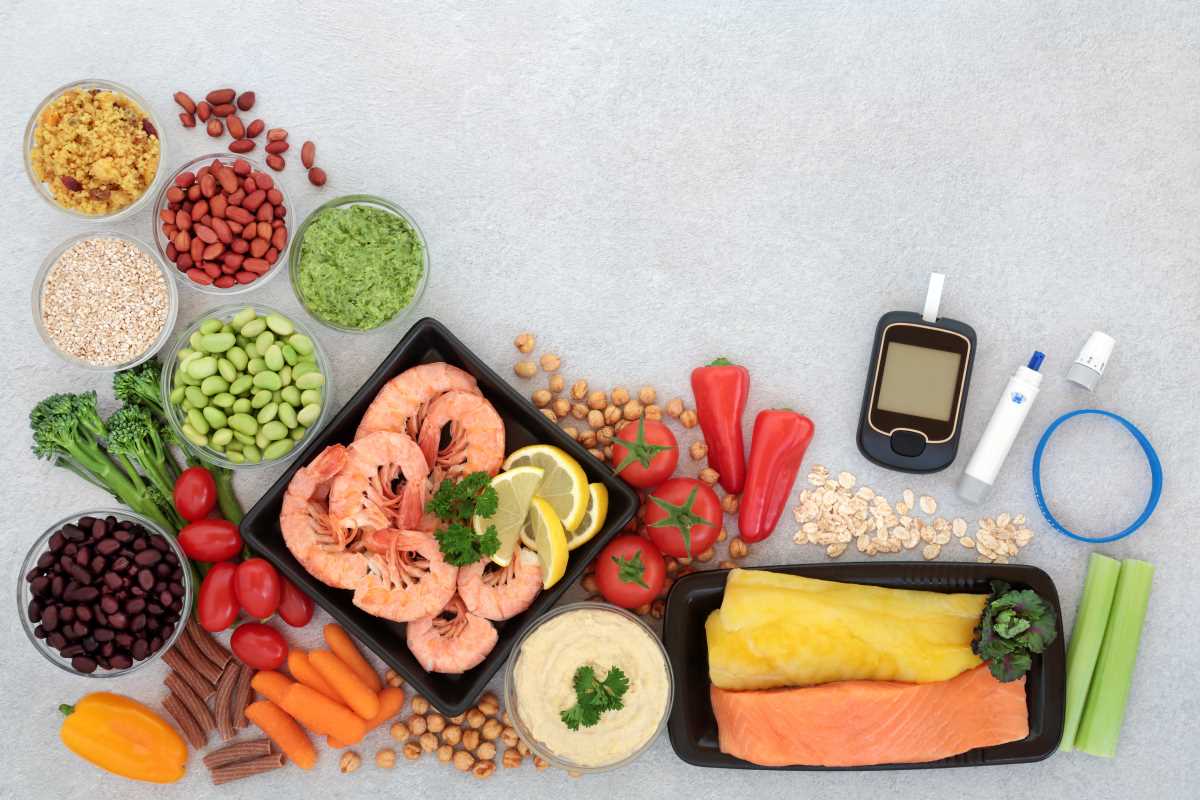
The core components include:
- High intake of: Fruits, vegetables, whole grains, legumes, nuts, and seeds.
- Olive oil as the principal source of fat: Replacing butter, margarine, and other fats.
- Moderate consumption of: Fish and poultry, especially fatty fish like salmon and sardines.
- Low consumption of: Red meat, processed foods, and added sugars.
- Regular but moderate intake of: Dairy products, mainly as yogurt and cheese.
- Optional moderate consumption of: Red wine, typically with meals.
This pattern creates a diet that is high in fiber, antioxidants, and anti-inflammatory monounsaturated fats while being low in saturated fats and refined carbohydrates.
Science-Backed Benefit #1: A Healthier Heart
Perhaps the most well-documented benefit of the Mediterranean diet is its incredible impact on cardiovascular health. Heart disease remains a leading cause of death worldwide, but populations following this dietary pattern have shown remarkably lower rates.
How It Works
The famous PREDIMED study, a large-scale clinical trial, provided powerful evidence. Participants who followed a Mediterranean diet supplemented with either extra-virgin olive oil or nuts had a roughly 30% lower risk of major cardiovascular events, like heart attack and stroke, compared to those on a standard low-fat diet.
The diet helps the heart in several ways:
- Lowers "Bad" Cholesterol: The monounsaturated fats in olive oil and nuts help reduce LDL (low-density lipoprotein) cholesterol, the kind that clogs arteries.
- Reduces Inflammation: Chronic inflammation is a key driver of atherosclerosis (hardening of the arteries). The diet's abundance of antioxidants from fruits, vegetables, and olive oil helps combat this inflammation.
- Improves Blood Pressure: The high potassium content from plant foods and low sodium intake work together to help manage blood pressure levels.
Science-Backed Benefit #2: Brain Protection and Cognitive Health
What’s good for the heart is often good for the brain. The Mediterranean diet has been linked to a slower rate of cognitive decline, a reduced risk of Alzheimer's disease, and better memory and concentration.
Fueling Your Brain
Your brain is made up of about 60% fat, so the types of fats you eat directly influence its structure and function.
- Omega-3 Fatty Acids: Fatty fish, a staple of the diet, are rich in omega-3s like DHA. DHA is a major structural component of brain cells and is crucial for nerve communication.
- Antioxidant Power: The brain is highly susceptible to oxidative stress, a form of cellular damage. The polyphenols found in olive oil, berries, and leafy greens act as powerful antioxidants, protecting brain cells from this damage.
A 2015 study published in JAMA Internal Medicine found that older adults who followed the Mediterranean diet maintained better cognitive function over several years compared to those who didn't. This suggests the diet can help preserve your mental sharpness as you age.
Science-Backed Benefit #3: A Healthier Gut Microbiome
The community of trillions of bacteria living in your gut—your microbiome—is now understood to be a cornerstone of overall health. It influences everything from your immune system to your mood. The Mediterranean diet is exceptionally good at nurturing a diverse and healthy gut.
Feeding Your Good Bacteria
The diet is naturally high in prebiotics, which are types of fiber that your body can’t digest but that your good gut bacteria love to eat.
- Fiber Diversity: Eating a wide variety of plant foods (fruits, vegetables, legumes, whole grains) provides different types of fiber, which helps foster a diverse range of beneficial bacteria.
- Polyphenols: These compounds, found in olive oil, red wine, and colorful produce, also act as prebiotics and have antimicrobial properties that can help keep harmful bacteria in check.
A healthy gut microbiome is linked to lower inflammation, a stronger immune response, and even better mental health, as the gut produces a significant amount of the body's serotonin, a key mood-regulating neurotransmitter.
Science-Backed Benefit #4: Support for Healthy Weight Management
While it’s not designed as a weight-loss diet, many people find that they naturally reach and maintain a healthy weight when following a Mediterranean lifestyle. This happens without the feeling of restriction that often leads to diet failure.
The Satiety Factor
The diet's effectiveness for weight management comes down to its focus on nutrient-dense, filling foods.
- High in Fiber: Fiber-rich foods like beans, lentils, and whole grains slow down digestion and add bulk, helping you feel full and satisfied for longer.
- Rich in Healthy Fats: Fats from olive oil, nuts, and avocados also promote satiety, signaling to your brain that you've had enough to eat.
By focusing on whole foods, you naturally crowd out the high-calorie, low-nutrient processed foods that contribute to weight gain. This leads to a sustainable reduction in overall calorie intake without a need for obsessive counting.
How to Get Started with the Mediterranean Diet
Adopting this way of eating is less about a complete overhaul and more about making simple, gradual swaps.
Simple Steps to Begin
- Make Olive Oil Your Go-To Fat: Use extra-virgin olive oil for cooking, salads, and finishing dishes. Swap out butter and margarine.
- Eat More Vegetables: Aim to fill half your plate with vegetables at every meal. Try adding spinach to your eggs, having a large salad for lunch, or roasting a medley of veggies for dinner.
- Choose Whole Grains: Switch from white bread, pasta, and rice to 100% whole-wheat bread, whole-grain pasta, brown rice, quinoa, or farro.
- Embrace Legumes: Incorporate beans, lentils, and chickpeas into your weekly meals. Add them to soups, salads, or make them the star of a vegetarian chili.
- Rethink Your Protein: Aim for at least two servings of fish per week, especially fatty fish. Reduce your intake of red meat, treating it as an occasional food rather than a daily staple.
- Snack on Nuts and Fruit: Replace chips and cookies with a handful of almonds, walnuts, or a piece of fresh fruit for a snack.
The information provided on StayHealthyAndWell is intended for general informational and educational purposes only. Content on this website is not a substitute for professional medical advice, diagnosis, or treatment.
StayHealthyAndWell is not operated by licensed dietitians, registered nutritionists, physical therapists, personal trainers, or medical professionals. Any nutrition, fitness, exercise, or wellness information shared on this site is based on general knowledge, research, and personal perspectives, and should not be interpreted as personalized health or fitness advice.