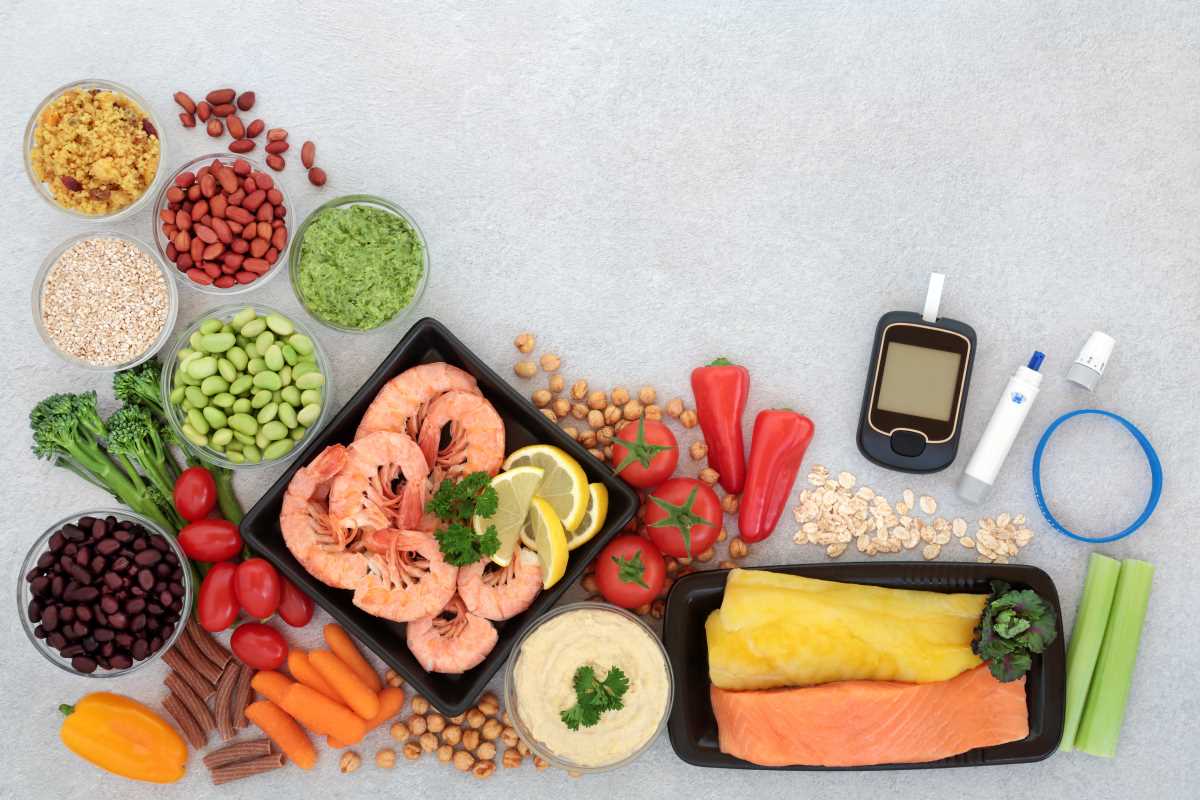
We often treat our bodies and minds as two separate entities, as if the neck creates a barrier between them. We focus on food for physical energy or to build muscle, but we rarely consider how that same food is directly impacting our mood, focus, and mental clarity. The truth is, the food you eat is not just fuel for your muscles; it is the fundamental building material for your brain. Creating a truly balanced nutritional plan means feeding both your body and your mind, allowing them to work together in harmony for your overall well-being.
When you think about feeling sluggish, unfocused, or even a little down, your first thought probably isn't about what you had for lunch. But the connection between gut and brain is one of the most exciting frontiers in health science. What you eat directly influences your brain's structure, chemistry, and performance. Let's explore how to build a diet that nourishes you from the inside out, supporting both a strong body and a sharp mind.
The Brain-Gut Connection: It's a Two-Way Street
You've probably heard the term "gut feeling." This isn't just a metaphor; it's a physiological reality. Your gut is lined with millions of nerve cells—so many that it's often called the "second brain." This system, known as the enteric nervous system, is in constant communication with the brain in your head via the vagus nerve.
This means that a happy gut often leads to a happy mind. The bacteria living in your digestive system, your microbiome, play a huge role in this conversation. They help produce neurotransmitters, which are chemical messengers that regulate your mood. For example, a large portion of the body's serotonin—often called the "feel-good" chemical—is produced in the gut. When your gut bacteria are out of balance, so is your mood.
So, how do you feed this "second brain"?
- Probiotics: These are the good bacteria themselves. You can find them in fermented foods like yogurt (look for "live and active cultures"), kefir, sauerkraut, kimchi, and kombucha.
- Prebiotics: These are the food for the good bacteria. They are types of fiber that your body can't digest, but your gut microbes love. Great sources include garlic, onions, bananas, asparagus, and whole oats.
By including both probiotics and prebiotics in your diet, you are creating a healthy environment where your gut can thrive, sending positive signals to your brain that can improve mood and reduce anxiety.
Fueling the Mind: Brain-Boosting Nutrients
Just like your muscles need protein to grow, your brain has specific nutritional needs to function at its best. Ignoring these can lead to brain fog, poor memory, and difficulty concentrating.
1. Omega-3 Fatty Acids: The Brain's Best Friend
Your brain is nearly 60% fat, and a large portion of that is an omega-3 fatty acid called DHA. Omega-3s are critical for building brain and nerve cells, and they are essential for learning and memory. A diet lacking in these healthy fats can contribute to a decline in cognitive function.
- Where to find them: Fatty fish are the superstars here. Think salmon, mackerel, herring, and sardines. Aim for at least two servings per week.
- Plant-based options: If you don't eat fish, you can get a different type of omega-3 (ALA) from flaxseeds, chia seeds, and walnuts. Your body has to convert this into the more useful forms, but it’s still beneficial.
2. Antioxidants: The Brain's Bodyguards
Your brain uses a lot of oxygen, which makes it highly susceptible to damage from free radicals—unstable molecules that can harm cells. This damage is called oxidative stress, and it's linked to aging and cognitive decline. Antioxidants are molecules that fight free radicals.
- Think color: The more colorful your plate, the more antioxidants you're likely getting. Berries (especially blueberries), dark chocolate, spinach, kale, and beets are packed with them.
- Don't forget spices: Turmeric contains curcumin, a powerful anti-inflammatory and antioxidant compound. A little black pepper helps your body absorb it better.
3. B Vitamins: The Energy Creators
B vitamins, especially B6, B9 (folate), and B12, play a vital role in brain health. They help with energy production, the synthesis of neurotransmitters, and they can help slow cognitive decline. A deficiency in B vitamins, particularly B12, is often linked to memory problems and brain fog.
- Where to find them: Leafy greens like spinach are great for folate. Eggs, lean meat, and legumes are good sources of B6. Vitamin B12 is found almost exclusively in animal products, so if you follow a plant-based diet, a supplement is often necessary.
Fueling the Body: The Macronutrient Balance
While we focus on the brain, we can't forget the body. A balanced approach requires understanding the roles of the three main macronutrients: protein, carbohydrates, and fats. They all work together.
Carbohydrates: Not the Enemy
Carbs have gotten a bad reputation, but they are your body's and brain's primary source of energy. The key is choosing the right kind.
- Complex Carbs: These are your friends. They are digested slowly, providing a steady release of energy. This prevents the blood sugar spikes and crashes that leave you feeling tired and irritable. Think whole grains (oats, quinoa, brown rice), vegetables, and legumes.
- Simple Carbs: These are the ones to limit. Found in sugary drinks, candy, and white bread, they cause a rapid spike in blood sugar followed by a sharp crash, leaving you feeling worse than before.
A diet that keeps blood sugar stable is not just good for your energy levels; it's also better for your brain health and mood regulation.
Protein: The Building Blocks
Protein is essential for repairing tissues, building muscle, and making enzymes and hormones. It also helps you feel full and satisfied, which can prevent overeating and stabilize energy levels.
- Spread it out: Instead of having one huge protein-heavy meal, try to include a source of protein in every meal and snack. This helps maintain muscle mass and keeps your metabolism humming.
- Variety is key: Don't just rely on chicken breast. Explore other sources like fish, eggs, Greek yogurt, lentils, beans, tofu, and nuts.
Fats: The misunderstood nutrient
Dietary fat is crucial for absorbing certain vitamins (A, D, E, and K), producing hormones, and, as we discussed, supporting brain health.
- Focus on Unsaturated Fats: These are the "healthy" fats found in avocados, nuts, seeds, and olive oil.
- Limit Saturated and Trans Fats: Saturated fats, found in red meat and full-fat dairy, should be consumed in moderation. Trans fats, often found in processed and fried foods, should be avoided as much as possible as they are detrimental to both heart and brain health.
Putting It All Together: A Day of Balanced Eating
What does this look like in practice? It's simpler than you might think. You don't need to count every gram or calorie. Instead, focus on building balanced plates.
Breakfast: Start your day with a mix of protein, healthy fats, and complex carbs. This sets you up for stable energy and focus.
- Example: Scrambled eggs (protein and fat) with a side of sautéed spinach and a slice of whole-grain toast. Or, a bowl of oatmeal (complex carb) made with milk and topped with berries (antioxidants) and walnuts (omega-3s).
Lunch: Avoid the trap of a heavy, carb-loaded lunch that leads to the dreaded afternoon slump. Build a plate that will energize you for the rest of the day.
- Example: A large salad with mixed greens, grilled salmon (protein and omega-3s), chickpeas (complex carbs and fiber), and a light vinaigrette made with olive oil (healthy fat).
Dinner: Your last meal of the day should be satisfying but not so heavy that it interferes with sleep.
- Example: Baked chicken or tofu (protein) with a side of roasted sweet potatoes (complex carb) and steamed broccoli (fiber and nutrients).
Snacks: Smart snacking prevents you from getting overly hungry and making poor choices. Focus on nutrient-dense options.
- Examples: An apple with a spoonful of almond butter, a small handful of nuts, or Greek yogurt.
The information provided on StayHealthyAndWell is intended for general informational and educational purposes only. Content on this website is not a substitute for professional medical advice, diagnosis, or treatment.
StayHealthyAndWell is not operated by licensed dietitians, registered nutritionists, physical therapists, personal trainers, or medical professionals. Any nutrition, fitness, exercise, or wellness information shared on this site is based on general knowledge, research, and personal perspectives, and should not be interpreted as personalized health or fitness advice.