(Image via
Counting calories often causes more stress than it's worth. You’re told to track your macros, count every calorie, weigh your food, and log every bite into an app. While this meticulous approach can work for some, for many others, it turns food into a source of stress and anxiety, stripping away the joy of eating. Constantly being tethered to a calculator can lead to burnout and make you want to give up on healthy eating altogether. But what if there was a simpler, more intuitive way to nourish your body, one that focuses on quality and balance rather than just numbers? It turns out you can build a perfectly balanced, goal-supporting plate without ever opening a spreadsheet.
By shifting your focus from "how many calories is this?" to "what is this food doing for my body?", you can develop a sustainable, healthy relationship with food that lasts a lifetime. Let's break down how to build a balanced plate, one component at a time, without focusing on specific numbers.
The Foundation: The Plate Method
The easiest way to build a balanced meal without counting is to use your plate as your guide. This visual technique, often called the "Plate Method," helps you achieve proper portion sizes and a healthy mix of macronutrients without any measuring cups or scales.
Imagine your standard dinner plate. Now, divide it into sections:
- Half of Your Plate (50%): Non-Starchy Vegetables
- One-Quarter of Your Plate (25%): Lean Protein
- One-Quarter of Your Plate (25%): Complex Carbohydrates
- A "Thumb" of Healthy Fats
This simple framework automatically steers you toward a nutrient-dense, satisfying meal that supports stable energy levels and overall health. Let's look at what belongs in each section.
Section 1: Fill Half Your Plate with Color (Non-Starchy Vegetables)
This is the largest section of your plate for a reason. Non-starchy vegetables are nutritional powerhouses. They are packed with vitamins, minerals, antioxidants, and, most importantly, fiber. Fiber is the secret weapon for feeling full and satisfied on fewer calories. It slows down digestion, helps stabilize blood sugar, and keeps your digestive system running smoothly.
Because they are high in volume but low in calories, you can eat a lot of them. "Filling up" on vegetables is one of the smartest things you can do for your health and your waistline.
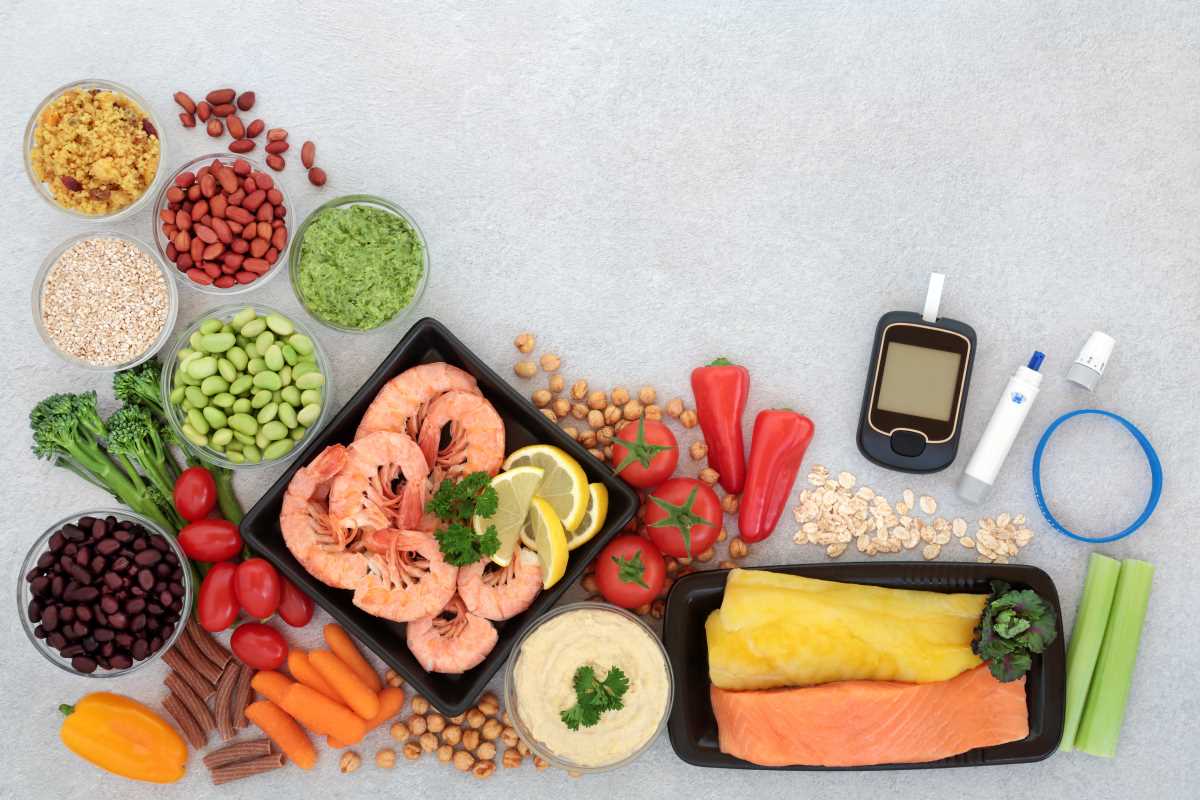
- What to Include: Think of a rainbow. The more colors you can get on your plate, the wider the variety of nutrients you’ll consume.
- Greens: Spinach, kale, arugula, romaine lettuce, Swiss chard.
- Reds & Oranges: Bell peppers, tomatoes, carrots.
- Purples: Eggplant, red cabbage, red onion.
- Whites & Greens: Broccoli, cauliflower, mushrooms, zucchini, asparagus, green beans.
- How to Prepare Them: Roasting, steaming, grilling, or stir-frying are all excellent methods. A big, fresh salad also works perfectly. Try to use minimal oil to keep the calorie count naturally in check.
Section 2: Dedicate a Quarter to Lean Protein
Protein is essential for just about everything your body does. It builds and repairs tissues (like muscle after a workout), makes enzymes and hormones, and is a critical component of every cell. From a meal satisfaction standpoint, protein is the most satiating macronutrient, meaning it helps you feel fuller for longer than carbs or fats. Including a solid source of protein with every meal is key to curbing cravings and preventing overeating later.
- What to Include: Your portion should be about the size of your palm.
- Animal Sources: Chicken breast, turkey, fish (like salmon, cod, or tuna), eggs, and lean cuts of beef or pork.
- Plant-Based Sources: Tofu, tempeh, edamame, lentils, chickpeas, and most beans.
- The "Palm" Rule: A serving of meat or fish is roughly the size and thickness of your palm (not including your fingers). For other sources like beans or lentils, think of a scoop that would fit in your cupped hand.
Section 3: Add a Quarter of Complex Carbs
Carbohydrates have been unfairly demonized over the years, but they are your body's primary and preferred source of energy. The key is to choose the right kind of carbs. We're talking about complex carbohydrates, which are found in whole, unprocessed foods. These carbs contain fiber, which means they are broken down slowly, providing a steady stream of energy instead of the quick spike and crash you get from sugary, refined carbs.
- What to Include: Your portion should be about the size of your clenched fist.
- Whole Grains: Quinoa, brown rice, oats, farro, and whole-wheat bread or pasta.
- Starchy Vegetables: Sweet potatoes, potatoes, corn, and peas.
- Legumes: While also a protein source, beans and lentils fit well in this category due to their high carb and fiber content.
- The "Fist" Rule: A serving of grains, pasta, or starchy vegetables should be about the size of your fist. This simple visual cue helps keep carb portions in check without needing to measure.
The Finishing Touch: A Dash of Healthy Fats
Fats are essential for brain health, hormone production, and absorbing fat-soluble vitamins (A, D, E, and K). They also add flavor and contribute significantly to feeling satisfied after a meal. You don't need a lot to get the benefits, but including a small amount is crucial for a truly balanced plate.
- What to Include: Aim for a serving that is about the size of your thumb.
- Oils: Extra virgin olive oil for dressings or drizzling.
- Nuts & Seeds: A sprinkle of chopped walnuts, almonds, or pumpkin seeds.
- Avocado: A few slices on the side or on top of your meal.
- Cheese: A sprinkle of feta or goat cheese.
- The "Thumb" Rule: For oils, dressings, and nut butters, a serving is about the size of the top of your thumb. For whole nuts or chunks of avocado, think of a small, cupped handful.
Putting It All Together: A Day of Balanced Plates
So, what does this look like in the real world? Let's walk through a day of meals using the Plate Method.
- Breakfast: Scrambled Eggs with Veggies and Toast
- Half Plate (Veggies): Sautéed spinach, mushrooms, and bell peppers scrambled with your eggs.
- Quarter Plate (Protein): 2-3 eggs.
- Quarter Plate (Carbs): 1 slice of whole-wheat toast.
- Healthy Fat: A little avocado oil used to cook the eggs, or a few slices of avocado on the side.
- Lunch: The "Power Bowl"
- Half Plate (Veggies): A base of mixed greens, topped with chopped cucumber, tomatoes, and red onion.
- Quarter Plate (Protein): A palm-sized portion of grilled chicken or a generous scoop of chickpeas.
- Quarter Plate (Carbs): A fist-sized scoop of cooked quinoa.
- Healthy Fat: A thumb-sized drizzle of olive oil-based vinaigrette.
- Dinner: Sheet Pan Salmon with Sweet Potatoes and Broccoli
- Half Plate (Veggies): A large serving of roasted broccoli.
- Quarter Plate (Protein): A palm-sized salmon fillet.
- Quarter Plate (Carbs): A fist-sized portion of roasted sweet potato cubes.
- Healthy Fat: The olive oil used to roast the vegetables and the natural omega-3 fats in the salmon.
Listen to Your Body: The Final, Crucial Step
The Plate Method is a fantastic starting point, but the ultimate goal is to become more intuitive with your eating. This framework teaches you what a balanced meal feels like. Once you get used to it, you can start paying closer attention to your body's own signals.
- Eat when you're hungry: Learn to recognize true physical hunger (a growling stomach, low energy) versus emotional hunger (boredom, stress).
- Stop when you're satisfied, not stuffed: Eat slowly and mindfully. Put your fork down between bites. It takes about 20 minutes for your brain to get the signal that you're full. If you eat slowly, you're more likely to recognize this signal and stop before you become uncomfortably full.
- Adjust for Your Activity Level: On days you do a really tough workout, you might need a slightly larger portion of carbohydrates to replenish your energy. On sedentary days, you might find you need less. Your hand-portion guides can be adjusted—maybe a slightly larger "fist" of carbs on gym days.
The information provided on StayHealthyAndWell is intended for general informational and educational purposes only. Content on this website is not a substitute for professional medical advice, diagnosis, or treatment.
StayHealthyAndWell is not operated by licensed dietitians, registered nutritionists, physical therapists, personal trainers, or medical professionals. Any nutrition, fitness, exercise, or wellness information shared on this site is based on general knowledge, research, and personal perspectives, and should not be interpreted as personalized health or fitness advice.