 (Image via
Have you ever wondered if there is a fountain of youth hidden somewhere on our planet? While we haven't found a magical spring that reverses aging, researchers have discovered something nearly as incredible: specific regions of the world where people live consistently longer, healthier, and happier lives than anywhere else. These unique areas are called "Blue Zones," and the people living there don't just reach the age of 100; they do so with vitality, sharp minds, and strong bodies. The secret to their longevity isn't a pill or a high-tech bio-hack, but rather a collection of simple lifestyle habits, with food playing a starring role. By taking a closer look at what folks in these longevity hotspots put on their plates, we can uncover practical secrets to help us all live a little better and perhaps a little longer.
The concept of Blue Zones was popularized by Dan Buettner, a National Geographic Fellow who identified five specific regions: Okinawa, Japan; Sardinia, Italy; Nicoya, Costa Rica; Ikaria, Greece; and Loma Linda, California. Despite being scattered across the globe, these communities share remarkably similar dietary patterns. They don't count calories, they don't weigh their food, and they certainly don't follow fad diets. Instead, they view food as nourishment, community, and pleasure. Let’s dig into the specific secrets of Blue Zone eating and see how you can bring these life-extending principles into your own kitchen.
The Plant Slant: 95% of the Diet
If you look at the average plate in a Blue Zone, you'll notice something immediately: it is overwhelmingly plant-based. While most of these populations are not strictly vegetarian or vegan, meat is treated more like a condiment or a special occasion dish rather than the main event.
Vegetables Take Center Stage
In these regions, seasonal fruits and vegetables make up the bulk of daily intake. This ensures a constant supply of vitamins, minerals, and antioxidants that fight off disease and inflammation. For example, Okinawans eat large quantities of purple sweet potatoes, which are rich in flavonoids and healthy carbohydrates. In Ikaria, wild greens are a staple, providing a potent dose of nutrients that protect the heart and brain.
The Role of Meat
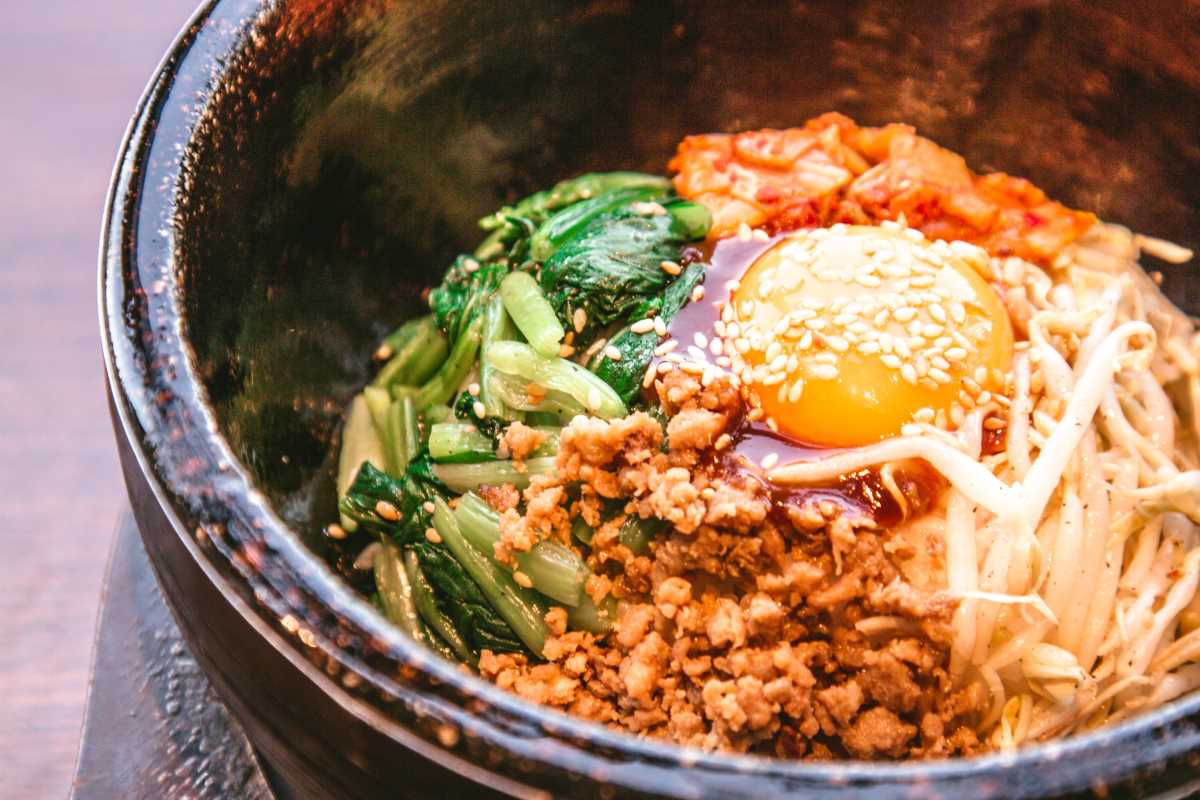
Meat consumption in Blue Zones averages about five times per month. When they do eat meat, the portions are small—usually about the size of a deck of cards. The focus is often on high-quality pork, lamb, or chicken, rather than processed deli meats or large steaks. By reducing meat intake, they naturally lower their consumption of saturated fats and cholesterol, which contributes to lower rates of heart disease.
Practical Tip: You don't have to go cold turkey on meat. Try adopting a "plant-forward" approach. Make vegetables the star of your plate and use meat to add flavor. For instance, use a small amount of ham to flavor a big pot of bean soup, or stir-fry a large variety of veggies with just a few strips of chicken.
Beans: The Cornerstone of Centenarian Diets
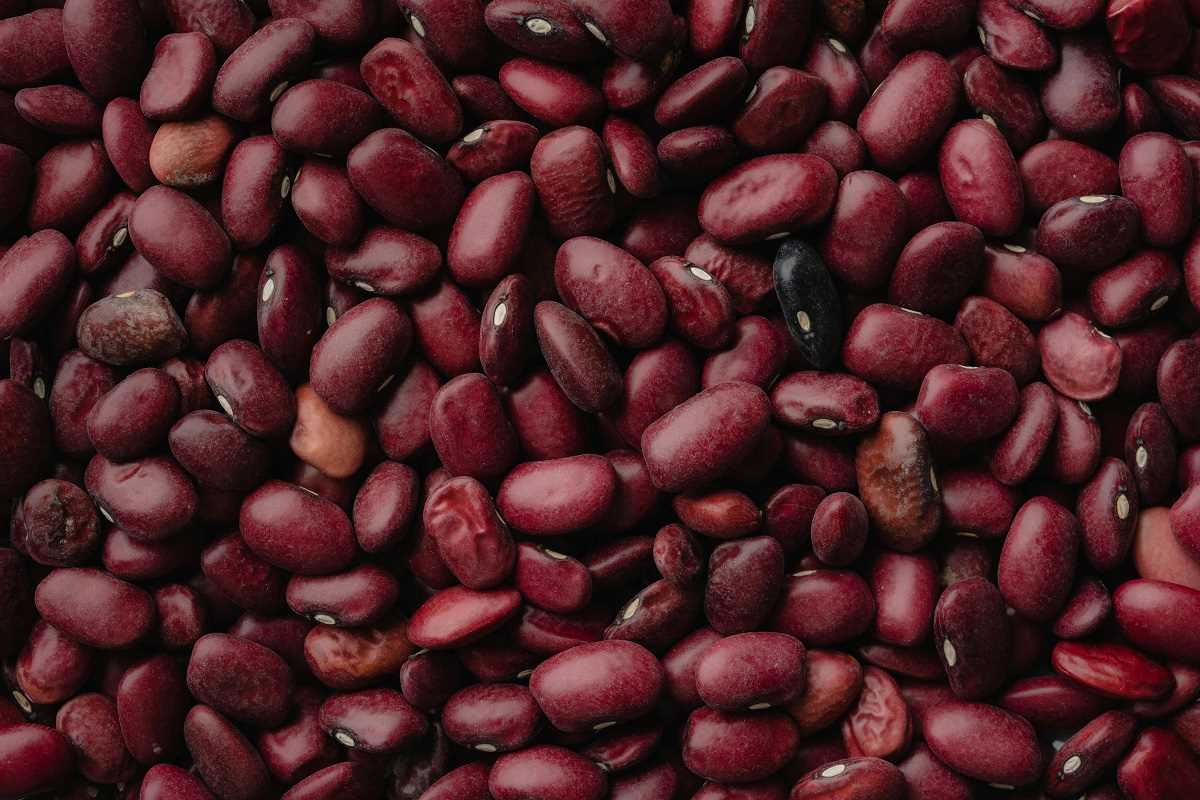
If there is one "superfood" that unites all five Blue Zones, it is the humble bean. Whether it's black beans in Nicoya, lentils in the Mediterranean, or soybeans in Okinawa, legumes are the dietary anchor for the world's longest-lived people.
Why Beans are Magic
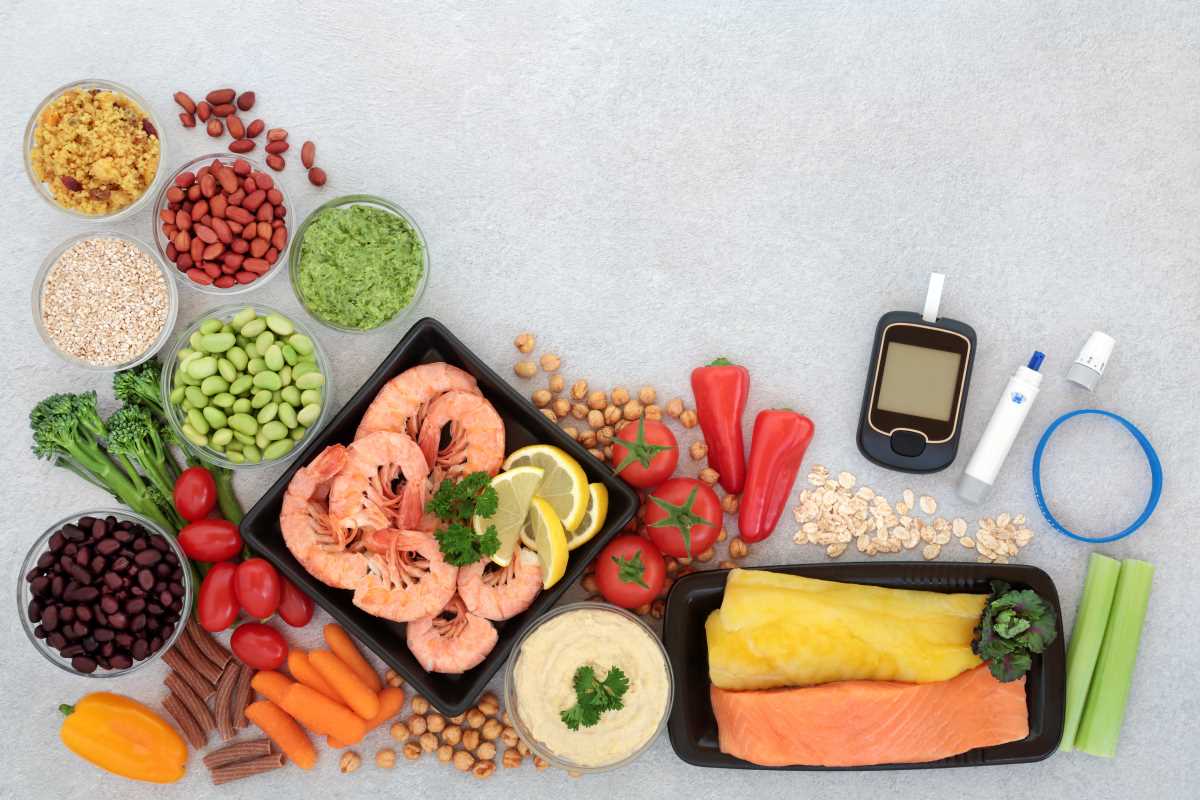
Beans are nutritional powerhouses. They are packed with plant-based protein, making them an excellent substitute for meat. More importantly, they are loaded with fiber. Fiber is crucial for digestive health, helps regulate blood sugar levels, and keeps you feeling full, which prevents overeating. Studies suggest that eating a cup of beans a day could add years to your life expectancy.
Variety is Key
The beauty of beans lies in their variety.
- Lentils: Cook quickly and are great in soups and stews.
- Chickpeas: Can be roasted for a snack, blended into hummus, or added to salads.
- Black Beans: Perfect for tacos, rice bowls, and soups.
- Fava Beans: A staple in Sardinia, often eaten in stews.
Practical Tip: Keep your pantry stocked with canned beans for quick meals. Rinse them well to remove excess sodium. Aim to add half a cup of beans to your lunch or dinner every day. You can toss them into a salad, mash them into a quesadilla, or blend them into a creamy dip.
Carbohydrates Are Not the Enemy
In a world that often demonizes carbs, Blue Zone residents prove that carbohydrates are actually essential for a long life—provided you choose the right ones. You won't find many refined carbs like white bread or sugary pastries in these areas. Instead, they rely on whole grains and tubers.
Sourdough and Whole Grains
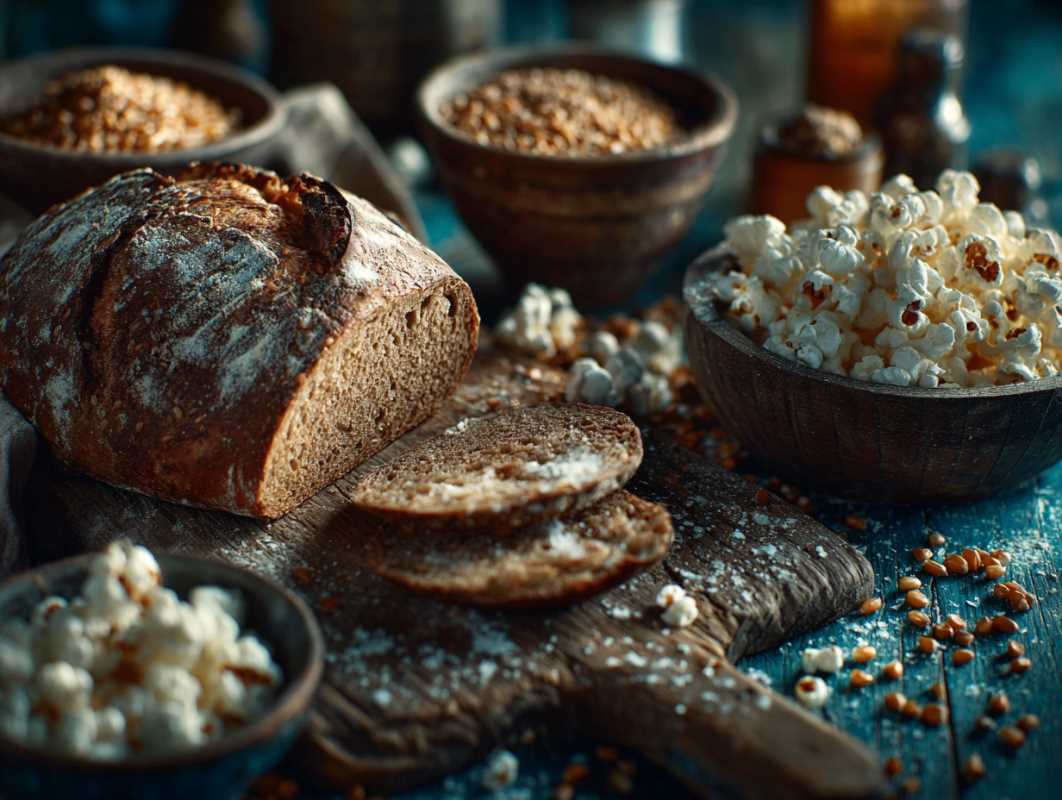
In Ikaria and Sardinia, bread is a daily staple. However, it’s not the spongy white bread found in American supermarkets. It is often true sourdough bread made with whole grains. The fermentation process in sourdough breaks down gluten and lowers the glycemic index of the bread, meaning it doesn't spike blood sugar as drastically. It also makes the nutrients more available for absorption.
Other whole grains like oats, barley, and brown rice are also common. These complex carbohydrates provide sustained energy and are linked to lower rates of heart disease and diabetes.
The Power of Corn
In Nicoya, Costa Rica, corn is the primary grain. But they prepare it in a special way called nixtamalization (soaking corn in lime water), which releases niacin and increases calcium absorption. The traditional corn tortilla is a whole-grain powerhouse that, when paired with beans, creates a complete protein.
Practical Tip: Swap out white rice and pasta for whole-grain alternatives like quinoa, farro, or whole-wheat pasta. If you love bread, try switching to a high-quality, bakery-style sourdough or a dense, 100% whole-grain loaf.
Healthy Fats: Olive Oil and Nuts
Fat is not feared in the Blue Zones; it is embraced, specifically when it comes from plant sources.
Liquid Gold: Olive Oil
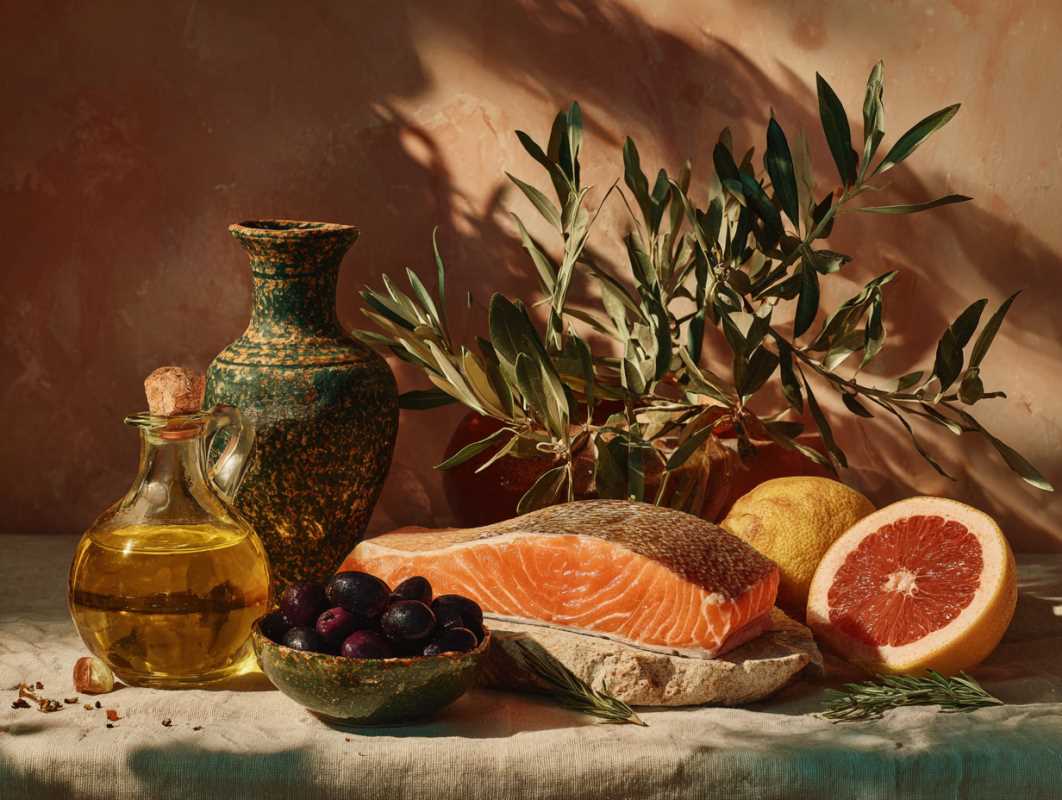
In the Mediterranean Blue Zones of Ikaria and Sardinia, olive oil is used liberally. It’s drizzled on vegetables, used for cooking, and even enjoyed on bread. Extra virgin olive oil is rich in monounsaturated fats and antioxidants. Regular consumption is linked to lower "bad" cholesterol levels, reduced inflammation, and better heart health.
Nuts for Snacking
Instead of chips or crackers, people in Blue Zones snack on nuts. Almonds, walnuts, pistachios, and cashews are all common. Nuts are nutrient-dense, providing healthy fats, protein, and fiber. Research from the Adventist Health Study 2 (focused on the Loma Linda Blue Zone) found that people who ate nuts at least five times a week had significantly lower risks of heart disease and lived longer than those who didn't.
Practical Tip: Keep a jar of mixed nuts on your desk or in your car for a quick, filling snack. Just a handful (about 2 ounces) is enough. For cooking, make olive oil your primary oil, but remember it has a lower smoke point than some oils, so it's best for sautéing or finishing dishes.
Drink Wisely: Water, Tea, and Wine
What you drink is just as important as what you eat. Sugary sodas and energy drinks are virtually non-existent in traditional Blue Zone diets.
Water is #1
Water is the main beverage of choice. Staying hydrated is essential for every bodily function, from blood flow to brain power.
Herbal Teas and Coffee
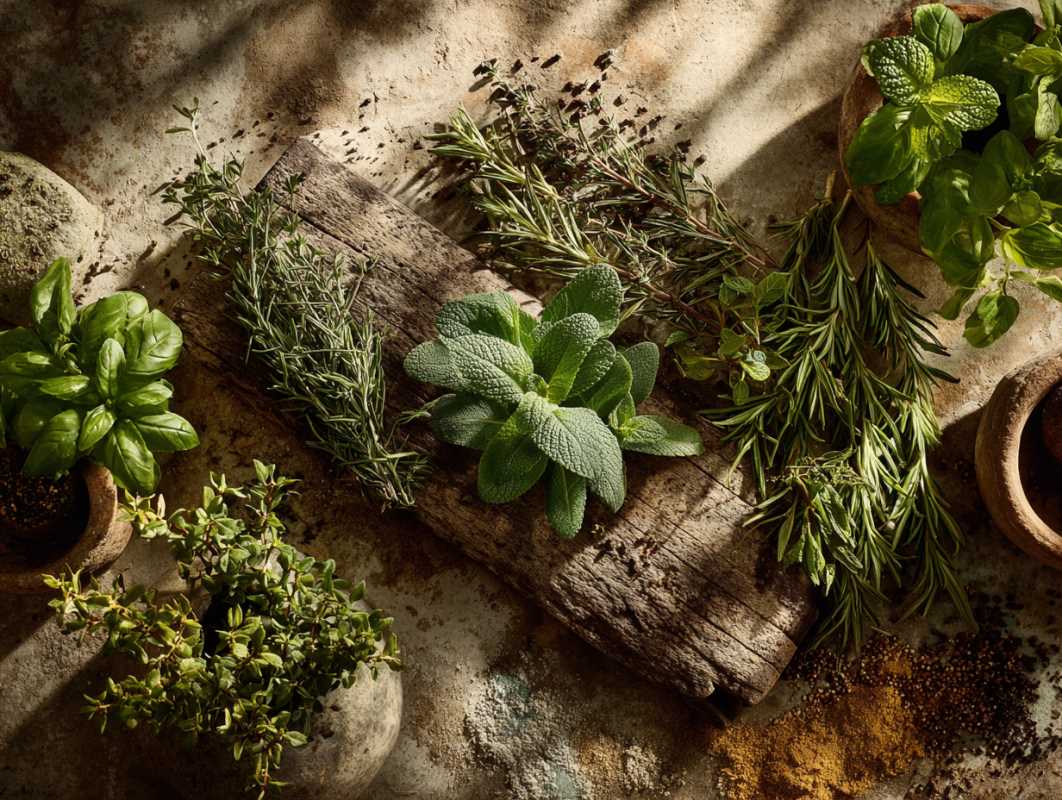
Tea is a daily ritual in many Blue Zones. Okinawans drink green tea, known for its cancer-fighting properties. In Ikaria, residents brew "mountain tea" from wild herbs like rosemary, sage, and oregano, which act as mild diuretics and anti-inflammatories. Coffee is also consumed regularly in Nicoya, Sardinia, and Ikaria, and is associated with lower rates of dementia and Parkinson's disease.
Cannonau Wine
In Sardinia, moderate wine consumption is part of the culture. They specifically drink Cannonau wine, which has two to three times the level of artery-scrubbing flavonoids compared to other wines. The key here is moderation—one or two small glasses per day, usually consumed with friends and food, not alone.
Practical Tip: replace sugary drinks with water or unsweetened herbal tea. If you drink alcohol, do so in moderation and try to enjoy it with a meal and good company.
The Secret Ingredient: Connection and Purpose
While food is critical, the "secret sauce" of the Blue Zones is how they eat. Meals are not rushed affairs eaten in the car or in front of the TV. They are communal events. Breaking bread with family and friends reinforces social bonds, reduces stress, and promotes a sense of belonging.
In Okinawa, they practice "Hara Hachi Bu," a Confucian teaching that instructs people to eat until they are 80% full. This mindful eating practice prevents overconsumption and allows the body time to register satiety.
The information provided on StayHealthyAndWell is intended for general informational and educational purposes only. Content on this website is not a substitute for professional medical advice, diagnosis, or treatment.
StayHealthyAndWell is not operated by licensed dietitians, registered nutritionists, physical therapists, personal trainers, or medical professionals. Any nutrition, fitness, exercise, or wellness information shared on this site is based on general knowledge, research, and personal perspectives, and should not be interpreted as personalized health or fitness advice.