 (Image via
Eating certain foods might feel good in the moment, but they don't always have long-lasting results. While that cinnamon roll might give you a burst of joy in the morning, the moment your blood sugar drops, you'll have a different tune. The connection between our diet and mental well-being is a powerful one, with scientific evidence showing that certain foods can significantly influence our brain function, mood, and overall mental health. Think of your brain as a high-performance engine; it needs premium fuel to run smoothly. Giving it the right nutrients can help manage anxiety, lift your spirits, and sharpen your focus.
This relationship between food and mood is often called nutritional psychiatry. It's a field dedicated to understanding how diet impacts mental health. The foods we consume provide the building blocks for our brain's structure and function. From neurotransmitters that regulate our emotions to the protective outer layers of our brain cells, every component relies on a steady supply of vitamins, minerals, and healthy fats. Let's explore some of the most effective brain-boosting foods and how you can easily add them to your daily meals.
The Power of Omega-3 Fatty Acids
When it comes to brain health, omega-3 fatty acids are superstars. These essential fats are a major structural component of the brain and play a critical role in nerve cell function. Your body can't produce omega-3s on its own, so you must get them from your diet.
Why They Matter for Your Brain
Omega-3s, particularly EPA (eicosapentaenoic acid) and DHA (docosahexaenoic acid), have powerful anti-inflammatory properties. Chronic inflammation in the brain has been linked to several mental health conditions, including depression and anxiety. By reducing inflammation, omega-3s help protect your brain cells and support the production of key mood-regulating chemicals like serotonin and dopamine.
Low levels of DHA have been associated with a smaller brain size, a sign of accelerated brain aging. On the other hand, a diet rich in these healthy fats can support memory, learning, and overall cognitive function.
Foods Packed with Omega-3s
Getting enough omega-3s is easier than you might think. Focus on incorporating these foods into your weekly meal plan:
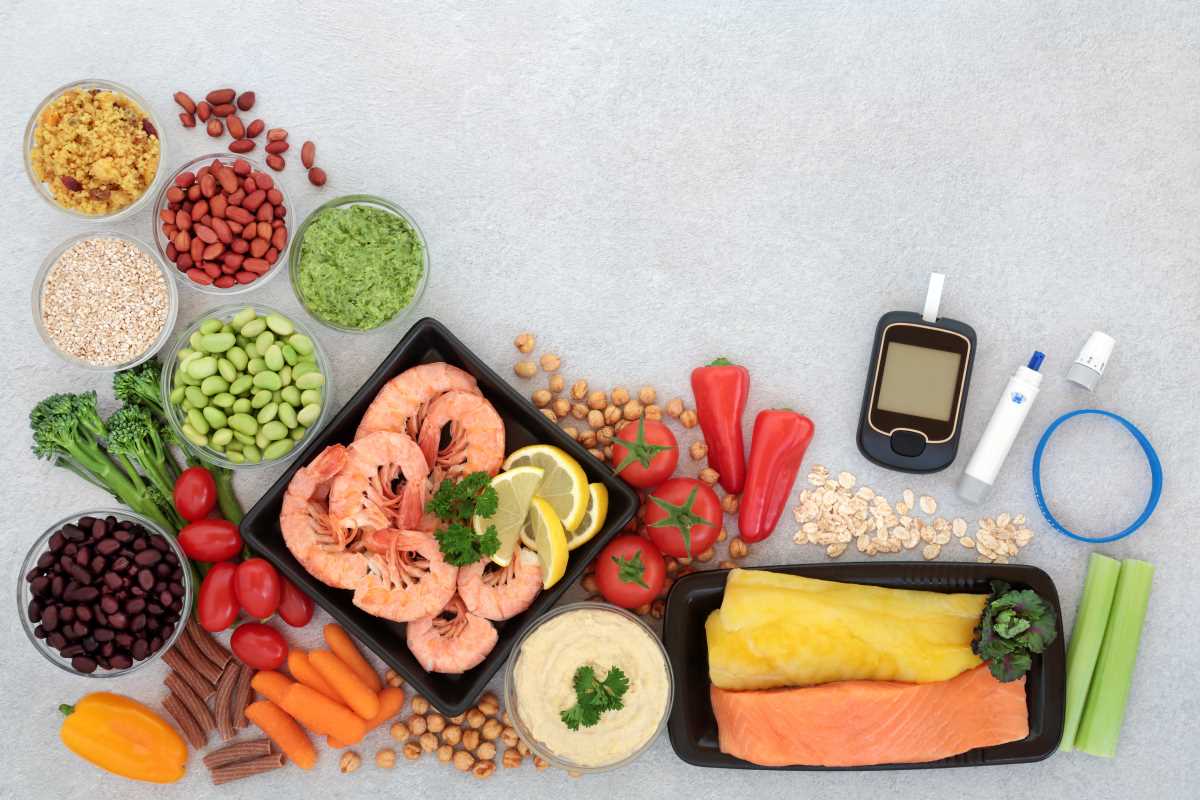
- Fatty Fish: Salmon, mackerel, herring, sardines, and anchovies are some of the best sources of EPA and DHA. Aim for at least two servings of fatty fish per week.
- Flaxseeds and Chia Seeds: These tiny seeds are packed with ALA (alpha-linolenic acid), a plant-based omega-3. Your body can convert ALA into EPA and DHA, although the process is not very efficient. Still, they are a great addition. Try sprinkling them on yogurt, oatmeal, or blending them into smoothies.
- Walnuts: Walnuts are another excellent plant-based source of ALA. A handful of walnuts makes for a perfect brain-boosting snack.
- Soybeans: Edamame, tofu, and tempeh are good sources of ALA and can be easily added to stir-fries, salads, and soups.
Simple Tip: For a quick and healthy lunch, try a salmon salad with whole-grain crackers or top your avocado toast with a sprinkle of chia seeds and a squeeze of lemon.
Complex Carbohydrates for Stable Energy
Carbohydrates often get a bad rap, but the right kind are essential for your brain. Your brain is an energy-hungry organ, consuming about 20% of your body's total calories. Its preferred fuel source is glucose, which comes from carbohydrates.
The Difference Between Simple and Complex Carbs
The key is choosing complex carbohydrates over simple ones. Simple carbs, found in sugary drinks, white bread, and pastries, cause a rapid spike in blood sugar followed by a crash. This rollercoaster effect can leave you feeling tired, irritable, and foggy.
Complex carbohydrates, on an the other hand, are digested more slowly. They provide a steady, sustained release of glucose into your bloodstream. This stable energy supply helps you maintain focus, concentration, and a more balanced mood throughout the day.
Brain-Friendly Complex Carbs
Look for whole, unprocessed sources of carbohydrates to fuel your brain effectively:
- Whole Grains: Oats, quinoa, brown rice, barley, and whole-wheat bread and pasta are excellent choices. They are also rich in fiber, which supports a healthy gut—another crucial factor in mental health.
- Legumes: Lentils, chickpeas, black beans, and other beans are fantastic sources of complex carbs and plant-based protein.
- Starchy Vegetables: Sweet potatoes, corn, peas, and winter squash provide complex carbs along with a host of vitamins and minerals.
Simple Tip: Start your day with a bowl of oatmeal topped with berries and nuts. This combination of complex carbs, fiber, and healthy fats will keep you energized and focused until lunchtime.
The Role of Vitamins and Minerals
Micronutrients are the unsung heroes of mental wellness. While you only need them in small amounts, vitamins and minerals are involved in thousands of biochemical reactions in your brain, from creating neurotransmitters to protecting against cellular damage.
Key Nutrients for Mental Health
Several vitamins and minerals are particularly important for supporting a healthy mind.
- B Vitamins: The B vitamins—especially B12, B6, and folate (B9)—are vital for brain function. They help produce energy, synthesize DNA, and regulate neurotransmitters like serotonin and dopamine. A deficiency in B vitamins has been linked to depression and cognitive decline. Find them in leafy greens, eggs, legumes, and lean meats.
- Vitamin D: Often called the "sunshine vitamin," Vitamin D acts more like a hormone in the body. Receptors for Vitamin D are found throughout the brain in areas associated with mood regulation. Low levels are commonly seen in people with seasonal affective disorder (SAD) and depression. Sources include fatty fish, fortified milk, and, of course, safe sun exposure.
- Magnesium: This mineral is involved in over 300 enzymatic reactions in the body, including many in the brain. Magnesium helps calm the nervous system and can have a relaxing effect, which may help with anxiety. Dark chocolate, avocados, nuts, and leafy greens are great sources.
- Zinc: Zinc plays a role in nerve signaling and helps protect the brain from free radical damage. Low levels have been associated with an increased risk of depression. Oysters, beef, pumpkin seeds, and lentils are rich in zinc.
Eating a Rainbow of Foods
The easiest way to ensure you're getting a wide array of these essential micronutrients is to eat a colorful diet. Different colored fruits and vegetables contain different vitamins, minerals, and antioxidants. Aim to fill your plate with a variety of produce like dark leafy greens, bright red bell peppers, orange carrots, and purple berries.
Gut Health and Your Brain: The Second Brain
The connection between your gut and your brain is so profound that the gut is often referred to as the "second brain." The gut is home to trillions of microorganisms, collectively known as the gut microbiome. This ecosystem plays a huge role in your mental health.
The Gut-Brain Axis
Your gut and brain are in constant communication through a network of nerves and chemical messengers. In fact, about 95% of your body's serotonin is produced in your gut. An imbalanced microbiome, where harmful bacteria outnumber beneficial ones, can disrupt this communication and negatively impact your mood.
A healthy gut microbiome helps reduce inflammation, improve your stress response, and support the production of neurotransmitters.
Foods for a Healthy Gut
To nurture your gut microbiome, focus on probiotic and prebiotic foods.
- Probiotics: These are live, beneficial bacteria found in fermented foods. They help replenish the good bacteria in your gut. Excellent sources include yogurt with live cultures, kefir, sauerkraut, kimchi, and kombucha.
- Prebiotics: These are types of fiber that your body can't digest. Instead, they act as food for the beneficial bacteria in your gut, helping them thrive. Good prebiotic sources include garlic, onions, leeks, asparagus, bananas, and whole grains.
Simple Tip: Add a dollop of plain Greek yogurt to your smoothie or enjoy a side of kimchi with your dinner. Your gut—and your brain—will thank you.
The information provided on StayHealthyAndWell is intended for general informational and educational purposes only. Content on this website is not a substitute for professional medical advice, diagnosis, or treatment.
StayHealthyAndWell is not operated by licensed dietitians, registered nutritionists, physical therapists, personal trainers, or medical professionals. Any nutrition, fitness, exercise, or wellness information shared on this site is based on general knowledge, research, and personal perspectives, and should not be interpreted as personalized health or fitness advice.