 (Image via
Carbohydrates have become one of the most debated and misunderstood topics in the world of nutrition. One minute they're hailed as the essential fuel for athletes, and the next they're blamed for every health issue under the sun. This confusion leads many of us to either fear them or eat the wrong kinds, resulting in that all-too-familiar cycle of a quick energy spike followed by a dramatic crash that leaves you reaching for more sugar. The secret to a healthy relationship with carbs isn't about eliminating them; it’s about learning to choose them wisely to unlock steady, sustained energy that powers you through your day.
The truth is, your body and brain love carbohydrates. They are the most efficient and preferred source of fuel for your daily activities, from intense workouts to simply thinking and concentrating. The problem isn't the carb itself, but the company it keeps and the form it takes. By understanding the difference between various types of carbohydrates, you can make them work for you, not against you, ensuring a stable stream of energy without the dreaded afternoon slump.
What Exactly Are Carbohydrates?
Before we can choose wisely, let's quickly break down what we're talking about. At their most basic level, carbohydrates are sugar molecules. Your digestive system breaks them down into glucose (blood sugar), which then enters your bloodstream and is used as energy by your cells, tissues, and organs.
Carbohydrates fall into two main categories: simple and complex. This distinction is the single most important factor in determining how they will affect your energy levels.
1. Simple Carbohydrates (The Fast Burners)
These are made of just one or two sugar molecules. They are digested very quickly, leading to a rapid spike in blood sugar and a quick burst of energy. Think of them like lighting a piece of paper on fire—it burns brightly but is gone in an instant.
- Common Sources: White sugar, high-fructose corn syrup, candy, soda, fruit juice, white bread, white pasta, and most packaged pastries and cereals.
- The Problem: The rapid rise in blood sugar triggers a large release of insulin, a hormone that helps your cells absorb the sugar. Insulin often overcompensates, pulling too much sugar out of the blood. This causes the infamous "crash," leaving you feeling tired, irritable, and hungry again soon after eating.
2. Complex Carbohydrates (The Slow Burners)
These are made of long, complex chains of sugar molecules. Because of their structure, your body takes much longer to break them down. This results in a slow, steady release of glucose into the bloodstream. Think of this like a log in a fireplace—it burns low and slow, providing sustained warmth and energy for hours.
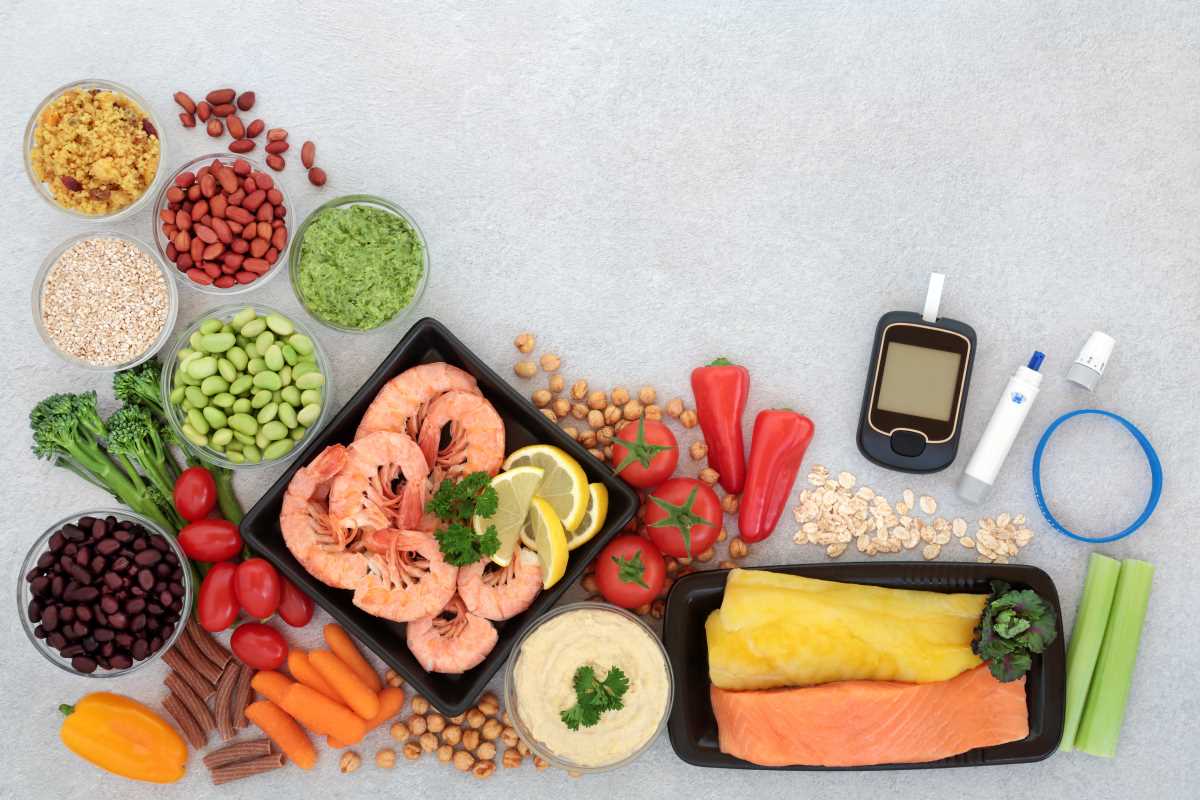
- Common Sources: Whole grains (oats, quinoa, brown rice, barley), starchy vegetables (sweet potatoes, corn, peas), beans, lentils, and whole fruits.
- The Benefit: The slow digestion prevents the dramatic spikes and crashes in blood sugar. This means more stable energy, better mood regulation, and a feeling of fullness that lasts longer, which helps with weight management.
The Glycemic Index: A Helpful (But Not Perfect) Tool
You might have heard of the Glycemic Index (GI). It’s a scale from 0 to 100 that ranks carbohydrate-containing foods by how much they raise your blood sugar levels.
- High-GI foods (70 or more): Cause a rapid spike (e.g., white bread, potatoes, sugary cereal).
- Medium-GI foods (56-69): Have a moderate effect (e.g., certain whole wheat breads, brown rice).
- Low-GI foods (55 or less): Cause a slow, steady rise (e.g., oats, lentils, non-starchy vegetables, most fruits).
While the GI can be a useful guide, it doesn't tell the whole story. For instance, carrots have a relatively high GI, but you'd have to eat a huge amount to get enough carbs to significantly impact your blood sugar. That's why context matters. What you eat your carbs with also changes their effect.
The Power of Pairing: Never Let a Carb Go Alone
One of the best strategies for avoiding an energy crash is to pair your carbohydrates with protein, healthy fats, or fiber. These nutrients slow down digestion even further, buffering the release of sugar into your bloodstream.
Think about it this way:
- Eating an apple alone (carb): Good, provides fiber and nutrients.
- Eating an apple with a spoonful of peanut butter (carb + fat + protein): Even better. The fat and protein in the peanut butter will slow the absorption of the apple's natural sugars, giving you longer-lasting energy.
Here are some other powerful pairings:
- Instead of plain toast: Have toast with avocado or an egg.
- Instead of a bowl of cereal: Add a scoop of Greek yogurt, a handful of nuts, or chia seeds.
- Instead of plain crackers: Pair them with cheese or hummus.
- Instead of just fruit: Make a smoothie with fruit, spinach, and a scoop of protein powder.
This simple habit of "pairing" can transform a potentially crash-inducing snack into a powerhouse of sustained energy.
Making Smart Swaps: Upgrading Your Daily Carbs
You don't need to overhaul your entire diet overnight. Small, simple swaps can make a huge difference in your daily energy levels.
- For Breakfast: Swap your sugary breakfast cereal for a bowl of rolled oats. Oats are a fantastic source of soluble fiber, which forms a gel-like substance in your gut, slowing digestion and keeping you full for hours.
- For Lunch: Swap your white bread sandwich for one made with 100% whole-grain or sourdough bread. Better yet, build a salad or grain bowl with a base of quinoa or brown rice instead.
- For Dinner: Swap your white pasta for whole-wheat pasta, chickpea pasta, or zucchini noodles. Instead of plain white rice as a side, try brown rice, farro, or a baked sweet potato (with the skin on for extra fiber).
- For Snacks: Swap the bag of chips for a handful of nuts, a piece of whole fruit, or some baby carrots with hummus.
The key is to always look for the "whole" version of the food. "Whole grain" means the entire grain kernel—bran, germ, and endosperm—is intact, bringing all its fiber and nutrients with it. Refined grains, like white flour, have had the bran and germ removed, stripping away most of the good stuff.
Timing Your Carbs for Optimal Performance
While complex carbs are generally the best choice, the timing of your carb intake can also play a role, especially if you are active.
- Pre-Workout: About 30-60 minutes before exercise, a small, easily digestible carbohydrate can be beneficial. Here, a faster-acting carb like a banana or a piece of toast can give you the quick energy you need to perform your best without weighing you down.
- Post-Workout: After a tough workout, your muscles are hungry to replenish their energy stores (glycogen). Pairing a complex carb with protein (e.g., chocolate milk, a smoothie with fruit and protein, or chicken with brown rice) helps with recovery and muscle repair.
- Throughout the Day: For the rest of your meals, stick with slow-burning, high-fiber, complex carbohydrates to keep your energy levels stable and your mind sharp.
Don't Fear Fruit!
Fruit is often unfairly lumped in with other simple sugars. While fruit does contain fructose (a simple sugar), it comes packaged with water, vitamins, antioxidants, and, most importantly, fiber. This fiber drastically slows down the sugar absorption, preventing the sharp blood sugar spike you'd get from candy or soda. A whole orange is not the same as a glass of orange juice. The whole fruit is always the better choice for sustained energy.
The information provided on StayHealthyAndWell is intended for general informational and educational purposes only. Content on this website is not a substitute for professional medical advice, diagnosis, or treatment.
StayHealthyAndWell is not operated by licensed dietitians, registered nutritionists, physical therapists, personal trainers, or medical professionals. Any nutrition, fitness, exercise, or wellness information shared on this site is based on general knowledge, research, and personal perspectives, and should not be interpreted as personalized health or fitness advice.