.jpg) (Image via
(Image viaWhen you think about strengthening your immune system, your mind probably jumps to vitamin C packets, hand sanitizer, and getting enough sleep. While those things are important, one of the most powerful tools for building a robust immune defense is often overlooked: your gut. It might seem strange, but the state of your digestive system is directly linked to your ability to fight off illness. A happy, healthy gut is the foundation for a strong and responsive immune system, making what you eat one of your best strategies for staying well year-round.
Your gut is home to trillions of microorganisms, including bacteria, viruses, and fungi, collectively known as your gut microbiome. This bustling community isn't just a passive bystander; it's an active participant in your health. In fact, about 70% of your immune system is located right in your gut. Let's dive into how this relationship works and what you can eat to support both your digestive health and your immunity.
Your Gut: The Body's First Line of Defense
Think of your digestive tract as a tightly controlled border crossing. It’s lined with a single layer of special cells that form a barrier between the outside world (everything you eat and drink) and your bloodstream. This barrier has two main jobs: let the good stuff in (nutrients) and keep the bad stuff out (toxins, harmful bacteria, undigested food particles).
Your gut microbiome acts as the intelligent border patrol agents. A healthy and diverse population of good bacteria helps maintain the integrity of this barrier. They communicate with your immune cells, essentially training them to know the difference between a friend (a piece of broccoli) and a foe (a harmful virus).
When your gut microbiome is out of balance—a state called dysbiosis—the bad bacteria can start to outnumber the good. This can lead to a condition known as "leaky gut," where the tight junctions in your intestinal wall loosen. This allows unwanted substances to "leak" into your bloodstream, triggering an immune response and chronic inflammation. This constant, low-grade activation can wear out your immune system, making you more susceptible to infections.
The Dynamic Duo: Prebiotics and Probiotics
To build a thriving gut community, you need to focus on two key types of nutrients: prebiotics and probiotics. They work together as a team to support your microbiome.
1. Probiotics: The Good Bacteria
Probiotics are live, beneficial bacteria that, when consumed, add to the population of healthy microbes in your gut. They are the reinforcements you call in to boost your defenses.
- Where to Find Them: Fermented foods are your best source of natural probiotics. Look for:
- Yogurt: Choose plain varieties with "live and active cultures" on the label to avoid added sugars.
- Kefir: A fermented milk drink, often described as a drinkable, slightly more sour yogurt. It typically contains a wider variety of beneficial bacteria than yogurt.
- Sauerkraut: Fermented cabbage. Be sure to buy the refrigerated kind, as shelf-stable versions are often pasteurized, which kills the good bacteria.
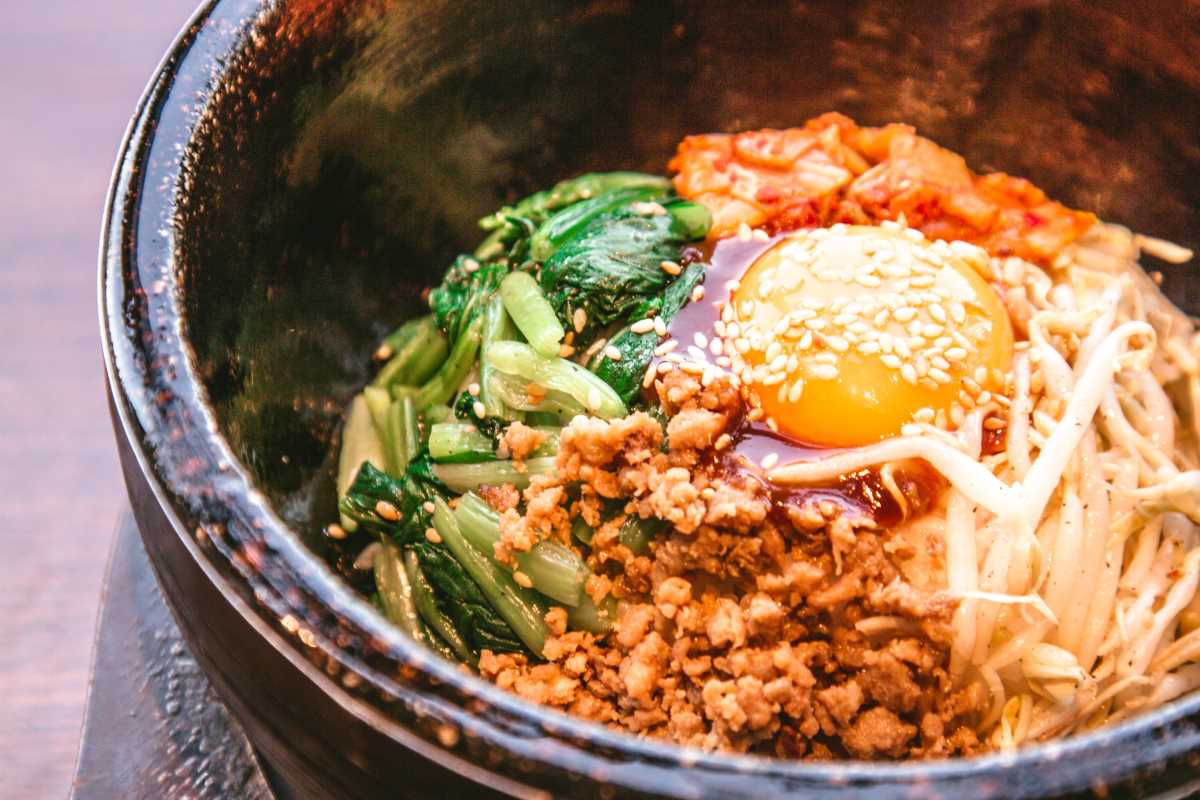
- Kimchi: A spicy Korean side dish, usually made from fermented cabbage and other vegetables.
- Kombucha: A fermented tea. Be mindful of the sugar content, as some brands can be loaded with it.
- Miso: A fermented soybean paste commonly used in Japanese cuisine.
2. Prebiotics: The Food for Good Bacteria
Probiotics can't do their job if they don't have anything to eat. That's where prebiotics come in. Prebiotics are specific types of dietary fiber that your body can't digest, but your good gut bacteria love to feast on. When they eat these fibers, they produce beneficial compounds called short-chain fatty acids (SCFAs), which have anti-inflammatory properties and help fuel the cells of your intestinal lining.
- Where to Find Them: Prebiotic fiber is found in many high-fiber plant foods. Great sources include:
- Garlic, Onions, and Leeks: These are packed with prebiotic fibers.
- Asparagus: A fantastic source of inulin, a powerful prebiotic.
- Bananas: Especially when they are still slightly green, they contain more resistant starch, which acts as a prebiotic.
- Oats: A wonderful source of beta-glucan fiber, which feeds good bacteria.
- Apples: The pectin in apples is a great prebiotic fiber.
- Legumes: Beans, lentils, and chickpeas are loaded with fiber that nourishes your gut.
By including both prebiotic and probiotic foods in your diet, you are not just feeding yourself; you are nourishing the microscopic allies that are essential for your immune health.
Foods That Support Immunity (and Harm It)
Beyond prebiotics and probiotics, a gut-friendly diet is one that is rich in a variety of whole foods and low in processed ingredients that can cause inflammation.
Eat More of These:
- Polyphenol-Rich Foods: Polyphenols are plant compounds that act as antioxidants and also feed good gut bacteria. Think vibrant colors!
- Sources: Berries, dark chocolate, green tea, olive oil, and red wine (in moderation). Blueberries are particularly great as they can encourage the growth of beneficial Bifidobacteria.
- A Rainbow of Vegetables: Different colored vegetables provide different vitamins, minerals, and fibers. The more variety you eat, the more diverse and resilient your gut microbiome will become. Aim to "eat the rainbow" every day.
- Omega-3 Fatty Acids: These healthy fats are known for their anti-inflammatory properties, which can help calm an overactive immune system and support gut health.
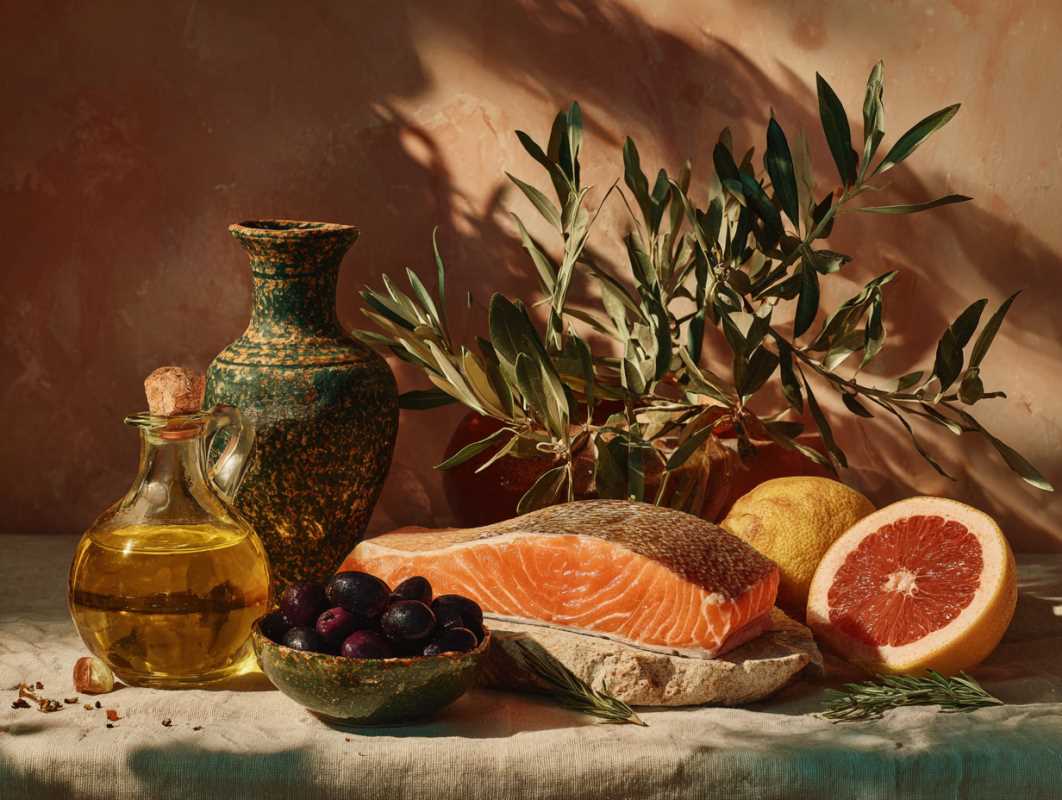
- Sources: Fatty fish like salmon, mackerel, and sardines, as well as plant sources like flaxseeds, chia seeds, and walnuts.
Eat Less of These:
- Added Sugars and Artificial Sweeteners: A high-sugar diet can feed the "bad" bacteria in your gut, allowing them to thrive and crowd out the beneficial microbes. Some studies also suggest that certain artificial sweeteners can negatively alter the gut microbiome.
- Highly Processed Foods: Foods that come in boxes, bags, and packages are often low in fiber and high in additives, unhealthy fats, and refined carbohydrates. These can promote inflammation and disrupt the delicate balance of your gut bacteria.
- Excessive Alcohol: While a small amount of red wine might offer some polyphenol benefits, excessive alcohol intake can damage the intestinal lining and negatively impact your gut microbes.
Practical Steps for a Gut-Healthy Lifestyle
Building a healthy gut and a strong immune system is a marathon, not a sprint. It’s about creating sustainable habits. Here’s how to start:
- Start Small with Fermented Foods: If you're new to fermented foods, begin with small amounts. A spoonful of sauerkraut on the side of your meal or a few sips of kefir is a great starting point.
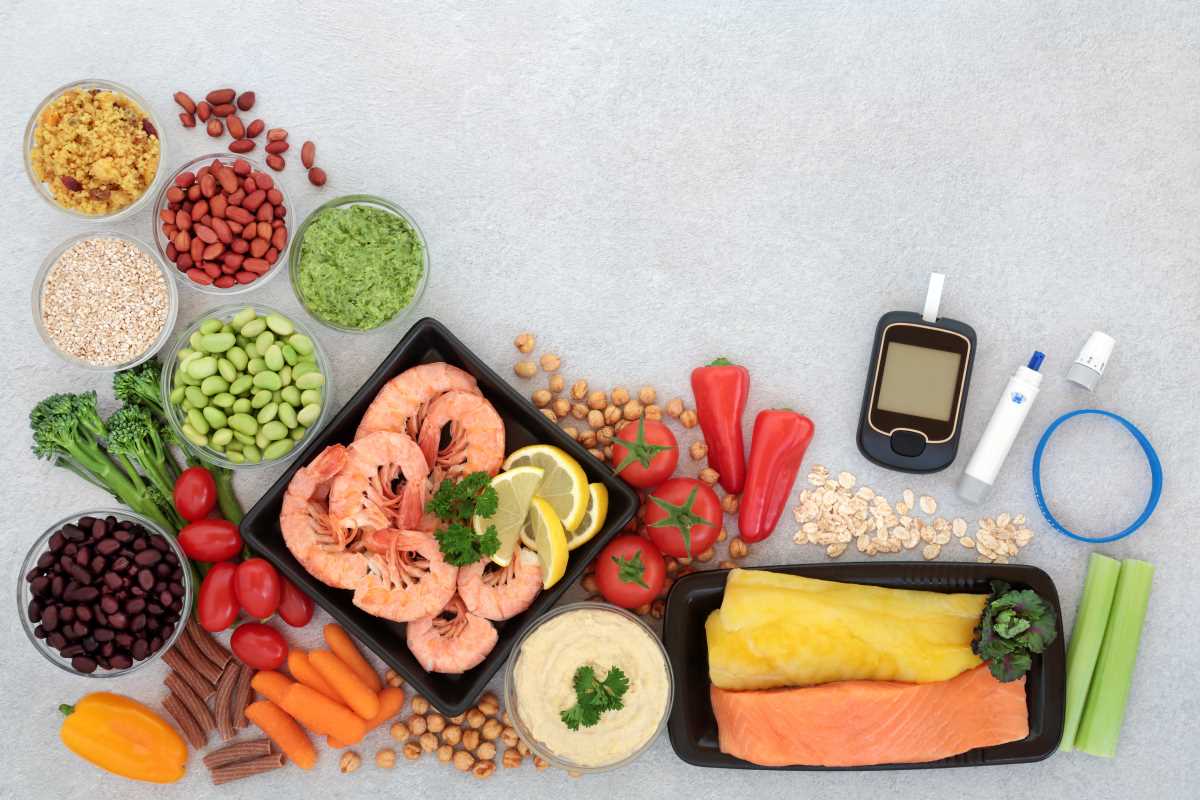
- Aim for Fiber at Every Meal: At breakfast, add a handful of berries to your oatmeal. At lunch, throw some chickpeas on your salad. At dinner, make sure a colorful vegetable is a major part of your plate.
- Hydrate, Hydrate, Hydrate: Water is essential for maintaining the mucosal lining of the intestines and helps fiber do its job of moving things along smoothly.
- Manage Your Stress: The gut-brain connection is real. Chronic stress can negatively impact your gut health. Incorporate stress-reducing activities like walking, meditation, or yoga into your routine.
- Get Enough Sleep: Your body, including your gut, does a lot of repair work while you sleep. Poor sleep is linked to a less diverse microbiome.
The information provided on StayHealthyAndWell is intended for general informational and educational purposes only. Content on this website is not a substitute for professional medical advice, diagnosis, or treatment.
StayHealthyAndWell is not operated by licensed dietitians, registered nutritionists, physical therapists, personal trainers, or medical professionals. Any nutrition, fitness, exercise, or wellness information shared on this site is based on general knowledge, research, and personal perspectives, and should not be interpreted as personalized health or fitness advice.