 (Image source: Midjourney)
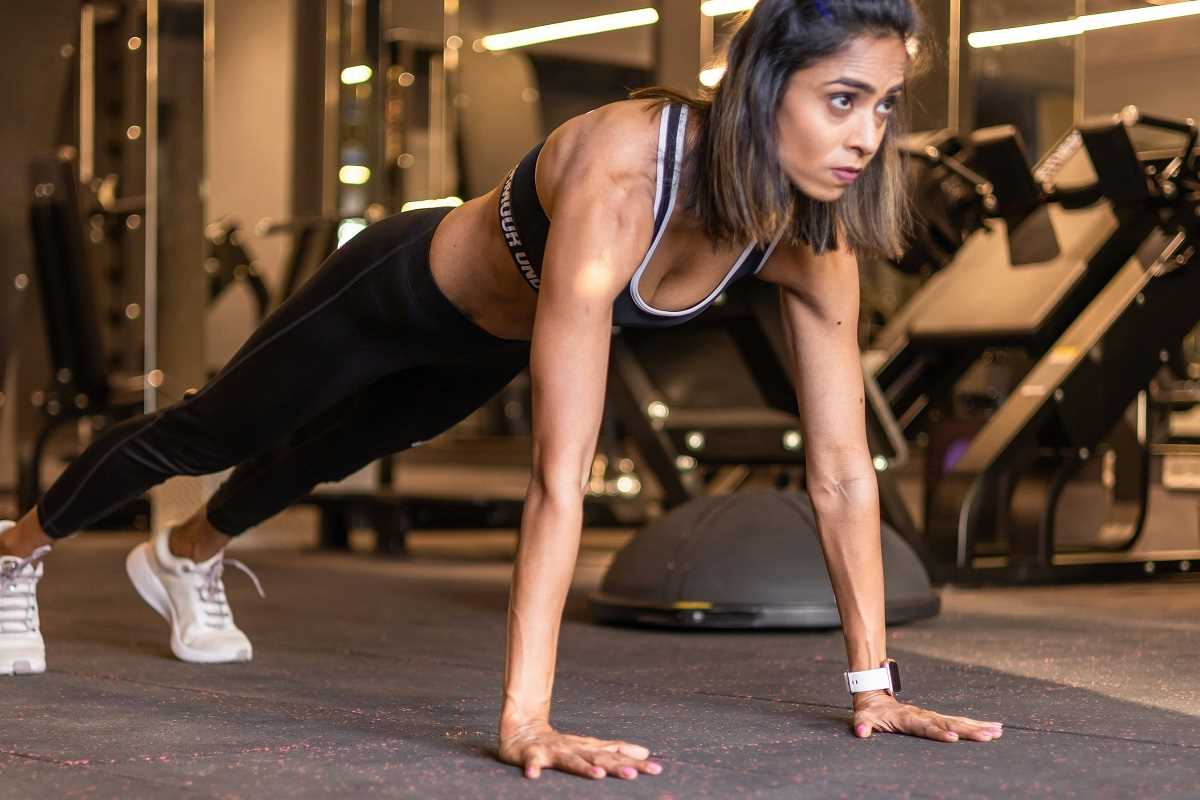
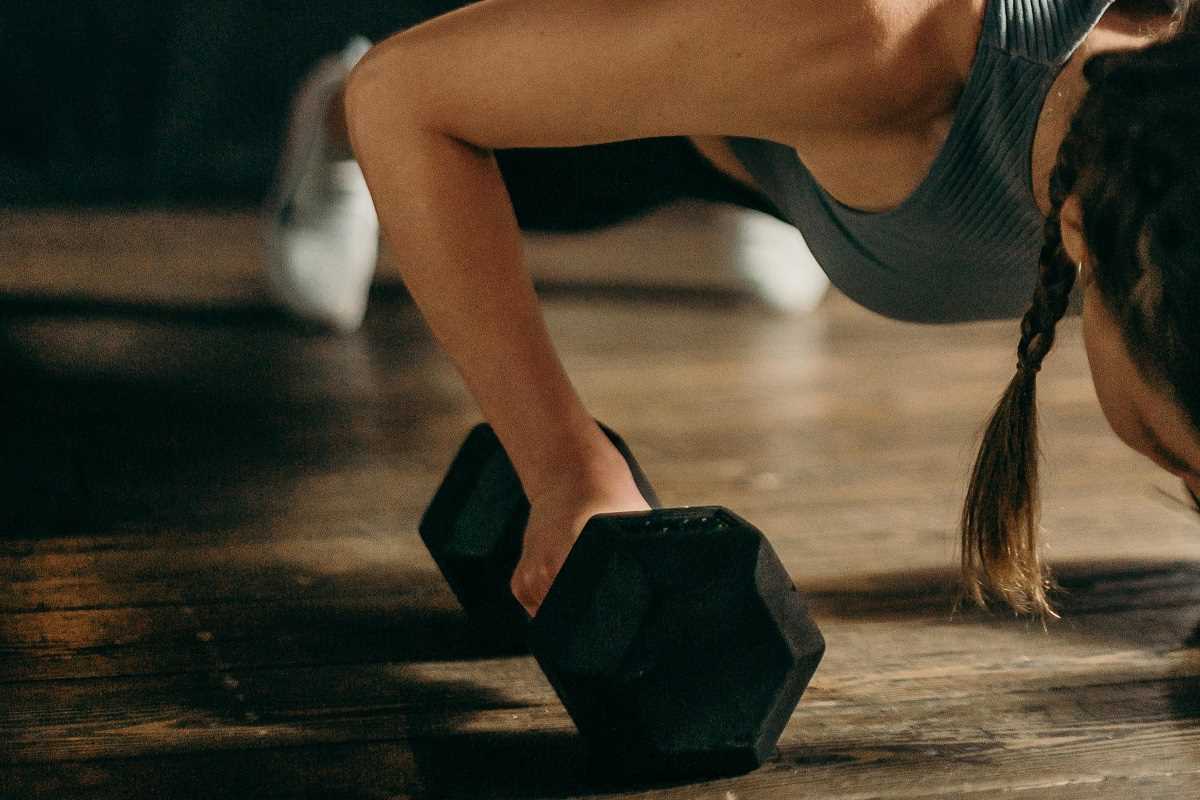
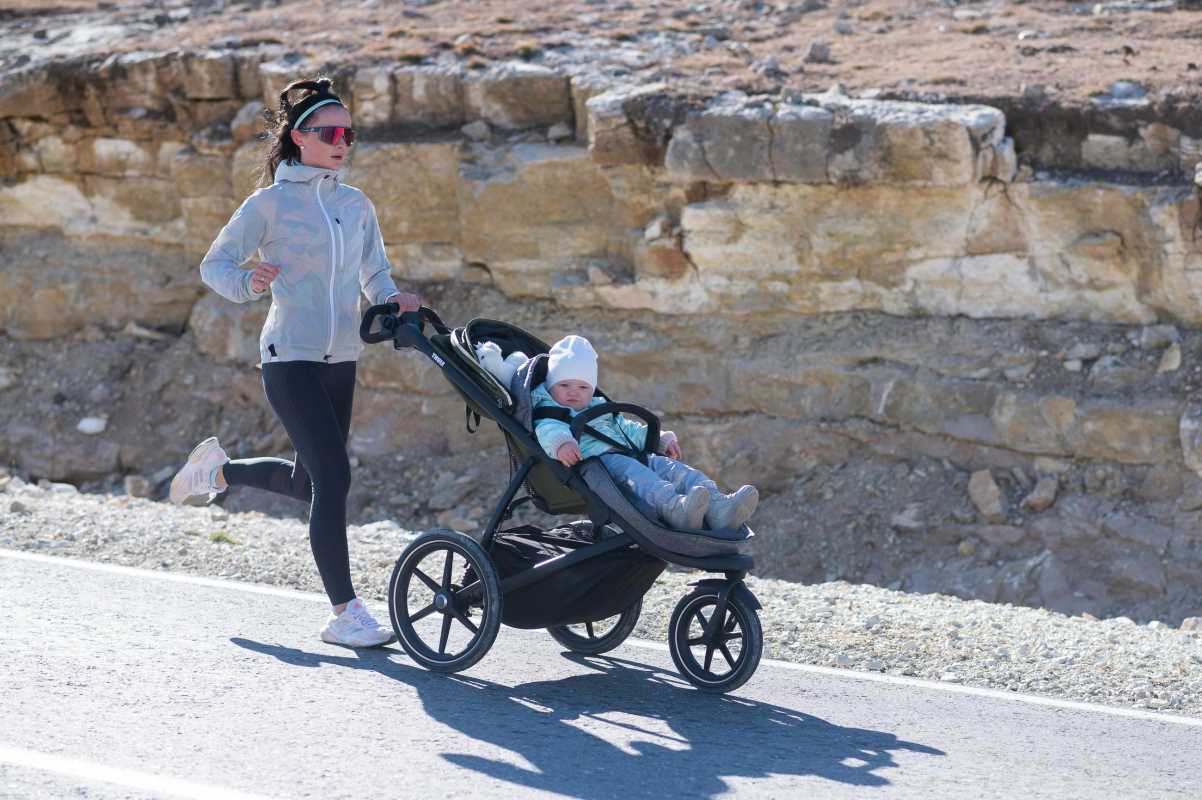
 We tend to compartmentalize our lives into distinct boxes: there is "work time," "family time," "vacation time," and "gym time." We act as if fitness is something that only happens within the four walls of a fitness center, while wearing spandex and listening to a high-tempo playlist. But for the avid traveler and adventurer, this mindset limits our potential. The truth is, the world is your gym, and your daily life is filled with opportunities to build the exact kind of strength and resilience you need to explore it. By recognizing and refining the everyday movements you already do, you can turn mundane chores into valuable functional fitness training, building a body that is ready for anything from a sprint to a boarding gate to a hike up a volcano.
The Hidden Gym in Plain Sight
Functional fitness isn't about isolating muscles to make them look good in a mirror; it's about training your body to handle real-life activities efficiently and safely. When you strip away the fancy gym equipment, you realize that most exercise is just mimicking what humans have done for survival for thousands of years: lifting, carrying, squatting, and walking.
Every time you pick up a heavy box, you are deadlifting. Every time you get up from a low chair, you are squatting. Every time you put groceries away on a high shelf, you are pressing. The problem is, because we don't view these actions as "exercise," we often do them mindlessly and with poor form. This not only wastes a training opportunity but also invites injury.
By bringing intention and mindfulness to these daily tasks, you transform them. You stop moving like a tired office worker and start moving like an athlete. You build the neuromuscular patterns—the connection between your brain and your muscles—that ensure when you are halfway across the world carrying a backpack, your body knows exactly what to do.
The Suitcase Carry: Grocery Edition
One of the most practical exercises for a traveler is the "farmer's carry" or "suitcase carry," which involves walking while holding a heavy weight. In the gym, you might use a kettlebell. In real life, you use grocery bags.
Think about the last time you hauled a week's worth of food from the car to the kitchen. Did you hunch over? Did you let the bags drag you down?
Turn it into training:
Next time, treat those grocery bags like gym equipment.
- Grip Hard: Don't just let the handles hang on your fingers. Squeeze them actively. This builds the grip strength you'll need for hauling luggage or holding onto trekking poles.
- Stand Tall: Engage your core and pull your shoulders back and down. Imagine a string pulling the top of your head toward the sky.
- Resist the Lean: If you are carrying all the bags in one hand (the "one-trip hero" method), your body will want to lean to that side. Fight it. Use your obliques (side abs) to stay perfectly upright. This creates an incredible core workout that stabilizes your spine—crucial for those long days sitting in economy class seats.
The Luggage Lift: Mastering the Overhead Press
There is a moment of truth in every traveler's journey: the struggle to hoist a carry-on bag into the overhead bin while a line of impatient passengers waits behind you. It’s a high-pressure physical test. This movement is essentially an overhead press, but with an awkward, shifting object.
You can train for this every time you put a heavy object on a high shelf at home, whether it’s a stack of winter blankets or a cast-iron pot.
Turn it into training:
- Brace Your Core: Before you lift, take a breath and tighten your stomach muscles as if someone is about to poke you. This protects your lower back from arching excessively.
- Use Your Legs: Don't just use your shoulders. Dip your knees slightly and use leg drive to help launch the object upward. This coordinates your upper and lower body, making the movement more efficient.
- Control the Path: Focus on a smooth, controlled path upward. Don't let the object drift way behind your head or too far forward.
- Mind Your Shoulders: Keep your shoulders down, away from your ears. Shrugging up creates tension in the neck.
By practicing this at home with household items, you build the shoulder stability and core strength to effortlessly stow your luggage, looking like a pro traveler rather than a flustered tourist.
The Deep Squat: Playing with Pets and Kids
In many cultures around the world, the deep squat is a resting position. People wait for the bus, eat meals, and socialize while squatting deeply with their heels flat on the ground. In the Western world, we have lost this ability due to our reliance on chairs. This loss of mobility in the hips and ankles is a major contributor to back and knee pain.
If you have pets or children, you likely get down on the floor frequently. Instead of bending over at the waist (which strains the back), use this as an opportunity to reclaim your squat.
Turn it into training:
- Heels Down: When you lower yourself to pet the dog or pick up a toy, try to keep your heels glued to the floor. If you can't, widen your stance.
- Chest Up: Keep your spine straight and your chest facing forward.
- Spend Time There: Don't just bounce back up. Hang out in the bottom of the squat for 30 seconds. This gently stretches your calves and opens your hips.
- The "Get Up" Challenge: Try to stand up from the floor without using your hands. This requires a surprising amount of mobility and leg strength, mimicking the uneven terrain you might face on a hiking trail.
Relearning to squat comfortably means you’ll be able to handle those "squat toilets" you encounter in remote travel destinations without fear or discomfort.
The Stair Climb: Commuting with Purpose
Elevators and escalators are everywhere, offering a convenient way to avoid effort. But for the fitness-minded traveler, they are missed opportunities. Stairs are arguably the best functional training tool available in the modern city. They build cardiovascular endurance, leg strength, and power.
When you visit a place like the Cinque Terre in Italy or climb the steps of a Mayan temple, there are no elevators. You need "stair fitness."
Turn it into training:
- Skip the Escalator: Make a rule: if it’s fewer than four flights, take the stairs. Always.
- Power Steps: Instead of taking them one by one, try taking two steps at a time. This changes the mechanics from a simple calf exercise to a lunge-like movement that targets your glutes and hamstrings more effectively.
- Drive Through the Heel: When you step up, push through your whole foot, specifically the heel, rather than staying on your toes. This engages the powerful muscles of your posterior chain.
- Posture: Don't lean forward and use the railing to haul yourself up. Keep your torso upright and your hands free (unless you have balance issues). This forces your legs to do all the work.
The Housework Hinge: Saving Your Back
Vacuuming, mopping, and picking things up off the floor all involve bending over. Most people bend by rounding their spine like a fishing rod. Do this enough times, especially with a bit of weight, and you have a recipe for a herniated disc.
The correct way to bend is the "hip hinge"—the movement used in deadlifts and kettlebell swings. It involves pushing your hips back while keeping your spine neutral.
Turn it into training:
- Soft Knees: Unlock your knees slightly.
- Hips Back: Imagine trying to close a car door with your butt. Push your hips backward until your torso naturally leans forward.
- Flat Back: Keep your spine straight from your head to your tailbone.
- Hamstring Tension: You should feel a stretch in the back of your legs (hamstrings), not a strain in your lower back.
Apply this when you're unloading the dishwasher or picking up laundry. You are essentially doing hundreds of mini-deadlifts a week, strengthening your hamstrings and glutes while protecting your spine for those long, uncomfortable bus rides.
The Passive Hang: Decompressing the Traveler's Spine
While not exactly a "chore," finding opportunities to hang is vital for modern humans. Carrying backpacks and sitting for hours compresses the spine. Hanging reverses this.
Turn it into training:
If you pass a sturdy tree branch, a playground bar, or even a high door frame, grab it and hang for 30 seconds.
- Relax the Back: Let your lower body be heavy. Feel your spine lengthening.
- Engage the Grip: This is another chance to build hand strength.
- Shoulder Health: Hanging opens up the shoulder joint, combating the tightness from hunching over phones and maps.
The information provided on StayHealthyAndWell is intended for general informational and educational purposes only. Content on this website is not a substitute for professional medical advice, diagnosis, or treatment.
StayHealthyAndWell is not operated by licensed dietitians, registered nutritionists, physical therapists, personal trainers, or medical professionals. Any nutrition, fitness, exercise, or wellness information shared on this site is based on general knowledge, research, and personal perspectives, and should not be interpreted as personalized health or fitness advice.