 (Image via
When you go to and from work each day, you may not notice how out of shape you are until you start traveling. Traveling puts your body to the test. Being a travel enthusiast like me means having a body that's ready for anything, but it doesn't always mean having access to a fully stocked gym. Whether you're saving money for your next big trip or find yourself in a hotel room with nothing but floor space, your fitness goals don't have to be put on hold. The good news is that you can build incredible strength, endurance, and resilience with just a few key pieces of equipment by focusing on smart training principles that deliver maximum impact.
The Minimalist Fitness Mindset
Before we dive into the "what," let's talk about the "how." An effective home workout isn't about trying to replicate a commercial gym experience. It's about shifting your mindset from needing machines and a vast array of weights to leveraging creativity and bodyweight science. The goal is to create resistance and challenge your muscles in intelligent ways. For travelers, this approach is perfect. It trains you to be adaptable, resourceful, and capable of getting a great workout anywhere in the world, from a city apartment to a remote cabin.
The secret to a powerful minimal-equipment workout lies in a few key principles:
- Leverage: Changing the angle of your body to make an exercise harder or easier.
- Unilateral Training: Working one side of the body at a time to improve balance and core stability.
- Time Under Tension: Slowing down your movements to force your muscles to work harder for longer.
- Explosiveness: Using power and speed to challenge your muscles in a different way.
By mastering these concepts, your own bodyweight becomes the most versatile and effective piece of gym equipment you own.
The "Big Three" of Minimalist Equipment
While you can achieve amazing results with just your body, investing in a few inexpensive, portable items can dramatically expand your workout possibilities. These three pieces are the traveler's dream team: they're light, versatile, and can fit in any suitcase.
- Resistance Bands: These are, without a doubt, the most valuable player in minimalist fitness. They come in various forms, from large loops for pull-up assistance and squats to smaller "mini-bands" for glute activation. They provide progressive resistance, meaning the tension increases as you stretch them, which is great for building strength through a full range of motion.
- A Suspension Trainer (like a TRX): This may seem like a bigger investment, but its value is unmatched. Using two straps, your body, and gravity, you can perform hundreds of exercises. It's particularly amazing for building pulling strength (like rows), which is notoriously difficult to train with bodyweight alone.
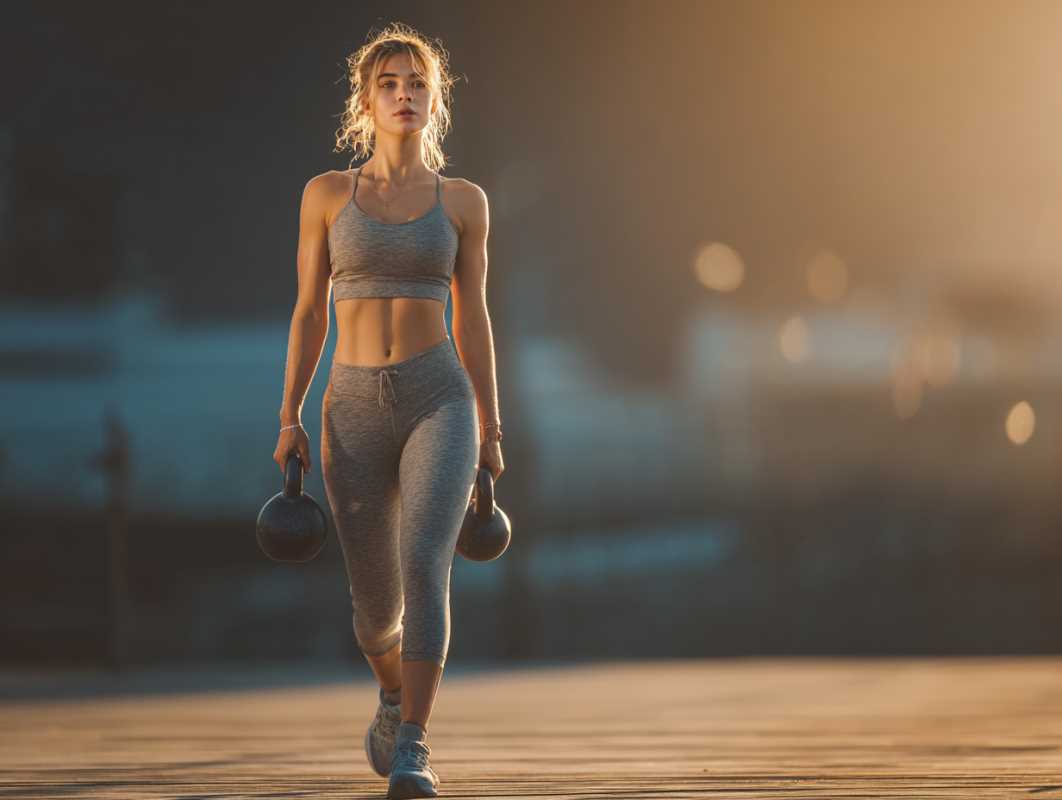
- A Single Kettlebell: If you have a more permanent home base, a single kettlebell works as a full-body gym in one compact package. Its unique shape allows for ballistic, swinging movements that build explosive power and cardiovascular endurance simultaneously.
With just these items, you can create a workout that rivals what you could do in a crowded, expensive gym.
Crafting Your Maximum-Impact Workout
Let’s build a routine using these principles and tools. This workout is designed around functional movements that translate directly to the demands of travel: lifting luggage, hiking steep trails, and walking for hours on end.
Part 1: The Dynamic Warm-Up (5 Minutes)
Never skip this. It prepares your body for movement and reduces the risk of injury.
- Cat-Cow (10 reps): Excellent for spinal mobility after sitting.
- Leg Swings (10 per leg, each direction): Opens up the hips.
- Bodyweight Squats (15 reps): Activates your glutes and quads.
- Arm Circles (10 forward, 10 backward): Warms up the shoulder joints.
Part 2: The Main Circuit (30-40 Minutes)
Perform these exercises as a circuit. Complete one set of each exercise back-to-back with minimal rest. After finishing the entire circuit, rest for 60-90 seconds and repeat for 3-4 total rounds.
1. Lower Body Power: Goblet Squat or Suspension Squat
- Why: The squat is the king of lower-body exercises, building strength in your quads, glutes, and hamstrings. It’s the movement you use to get out of a chair or pick something heavy up.
- With a Kettlebell: Hold the kettlebell by its "horns" against your chest (a Goblet Squat). Keeping your chest up, squat down as low as you can comfortably go, then drive back up. The weight in front acts as a counterbalance, helping you maintain good form.
- With a Suspension Trainer: Hold the handles and lean back slightly. Use the straps for balance as you squat down. To make it harder, try a single-leg squat.
- Bodyweight Only: Focus on a slow, controlled descent (3 seconds down) and an explosive ascent (1 second up) to increase time under tension.
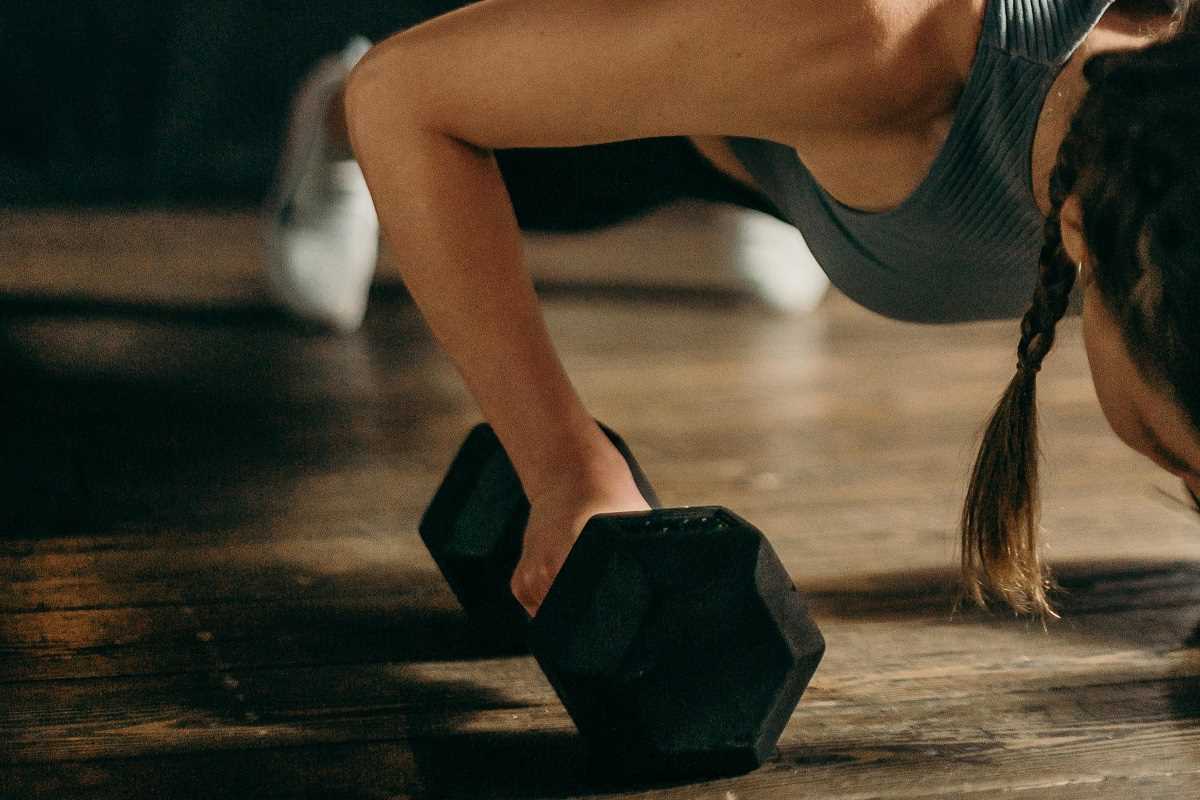
2. Upper Body Push: Incline or Decline Push-Up
- Why: The push-up is a phenomenal chest, shoulder, and tricep builder that also engages your core. Changing the angle of your body adjusts the difficulty.
- To Make it Easier: Perform an incline push-up by placing your hands on a sturdy chair, table, or bed. The higher the surface, the easier the movement.
- To Make it Harder: Perform a decline push-up by placing your feet on that same surface. This shifts more of your bodyweight onto your arms and chest.
- Minimalist Pro-Tip: Use a suspension trainer to do chest presses. The more parallel you are to the floor, the harder it becomes.
3. Upper Body Pull: Banded Row or Suspension Trainer Row
- Why: This is crucial for balancing out all the pushing movements we do. Rows build a strong back, improve posture (counteracting "traveler's slouch"), and are essential for pulling motions, like starting a lawnmower or dragging a heavy suitcase.
- With a Resistance Band: Anchor a long resistance band to a sturdy door handle or pole. Grab the band with both hands, step back until there's tension, and pull the band toward your chest, squeezing your shoulder blades together.
- With a Suspension Trainer: This is where it shines. Lean back, holding the handles with your arms extended. Pull your chest up to your hands. To make it harder, simply walk your feet further forward.
- Bodyweight Only: This is tough without equipment. You can try a "towel row" by wrapping a towel around a pole and pulling yourself, or lie on your stomach and perform "supermans."
4. Full-Body Explosiveness: Kettlebell Swing or Banded Good Morning
- Why: This movement builds a powerful "hip hinge," the foundation for lifting things off the floor without hurting your back. It’s also an incredible cardio workout.
- With a Kettlebell: The two-handed swing is the cornerstone of kettlebell training. Stand with feet shoulder-width apart, hike the kettlebell back between your legs, then explosively thrust your hips forward to propel the bell to chest height. It’s a hip movement, not an arm lift.
- With a Resistance Band: Stand on one end of a large loop band and place the other end over the back of your neck. Hinge at your hips, keeping your back flat, until you feel a stretch in your hamstrings. Then, powerfully squeeze your glutes to return to a standing position.
- Bodyweight Only: Perform a broad jump. Squat down and leap forward as far as you can, landing softly. This builds similar explosive power.
5. Core Stability: The Plank Pull-Through
- Why: Forget endless crunches. This exercise teaches your core to resist rotation, which is vital for protecting your spine.
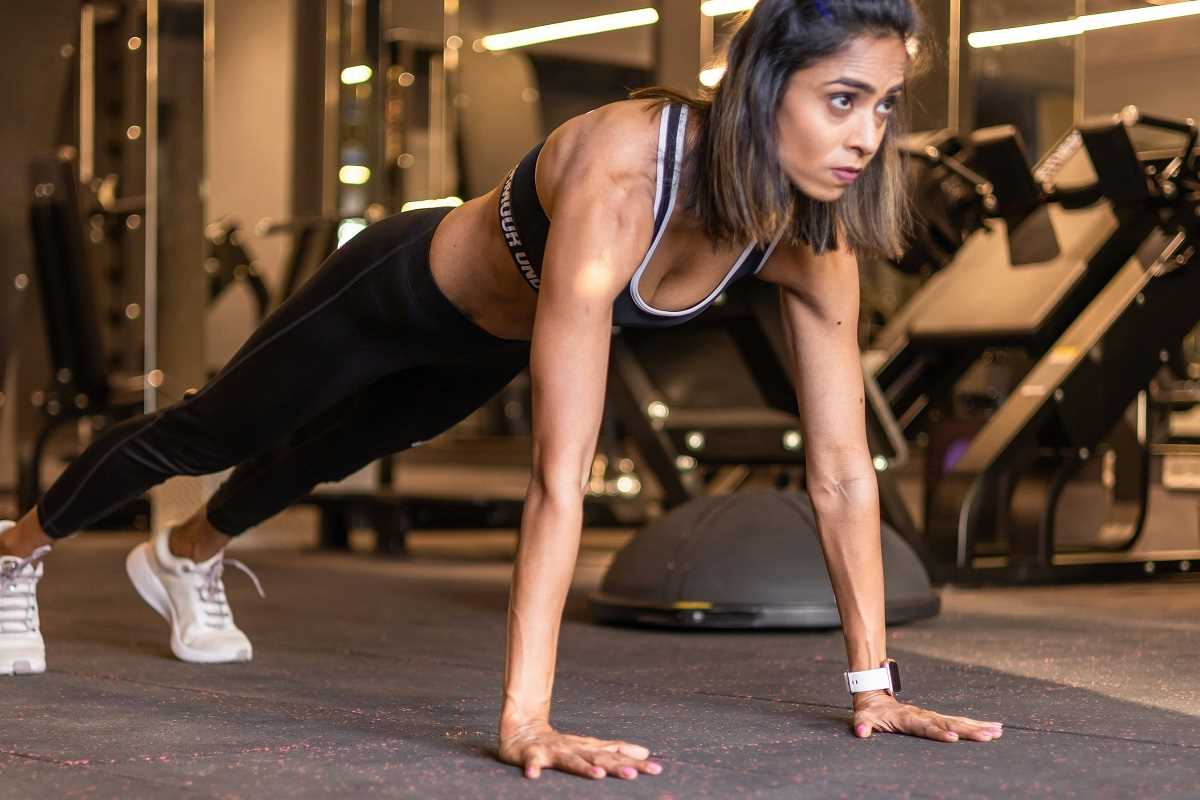
- With a Kettlebell or Any Object: Get into a high plank position with the kettlebell just outside your right hand. Keeping your hips as still as possible (no rocking!), reach under your body with your left hand, grab the kettlebell, and drag it to the left side. Then reach with your right hand and drag it back. That’s one rep.
- Bodyweight Only: Perform a plank with alternating shoulder taps. The goal is the same: keep your torso perfectly still while your limbs are moving.
Maximum impact also means smart recovery. Your muscles don't get stronger during the workout; they get stronger when they repair themselves afterward. Dedicate 5-10 minutes post-workout to static stretching, focusing on your hips, hamstrings, and chest. On your rest days, engage in active recovery like a long walk or a gentle yoga session. This helps reduce soreness and prepares you for your next session.
The information provided on StayHealthyAndWell is intended for general informational and educational purposes only. Content on this website is not a substitute for professional medical advice, diagnosis, or treatment.
StayHealthyAndWell is not operated by licensed dietitians, registered nutritionists, physical therapists, personal trainers, or medical professionals. Any nutrition, fitness, exercise, or wellness information shared on this site is based on general knowledge, research, and personal perspectives, and should not be interpreted as personalized health or fitness advice.