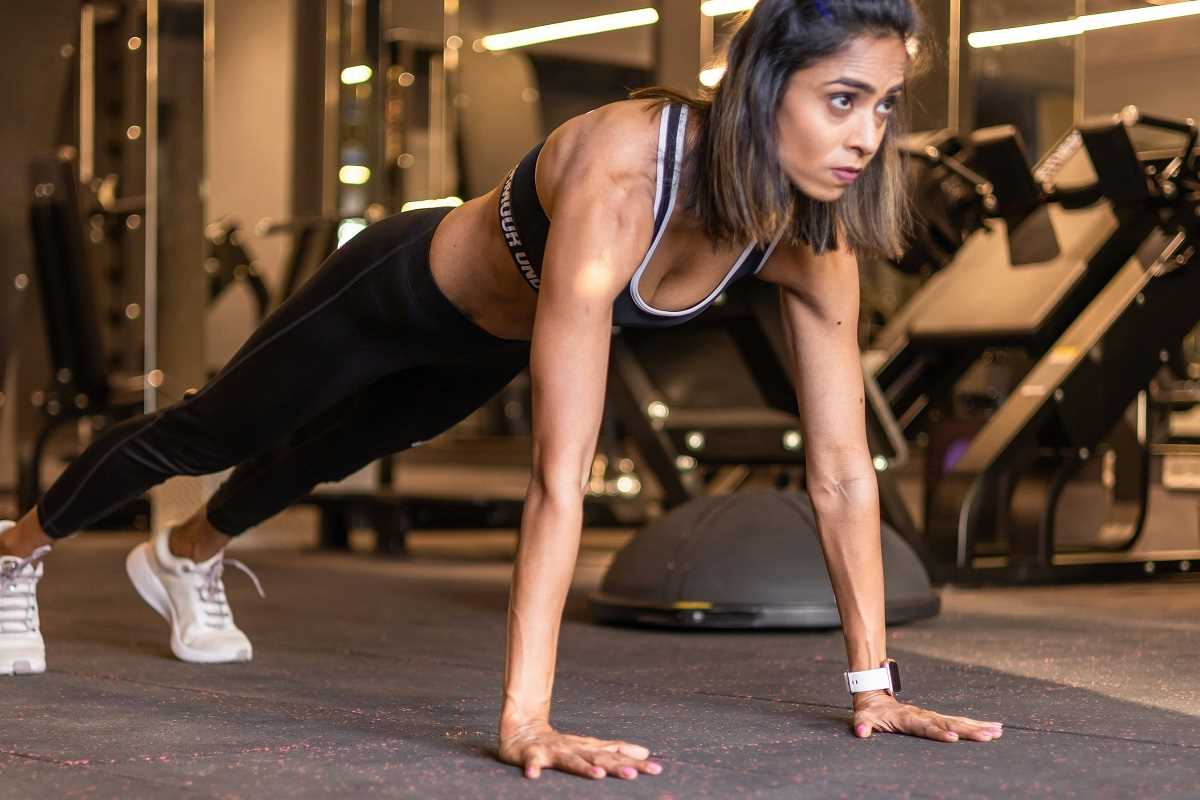
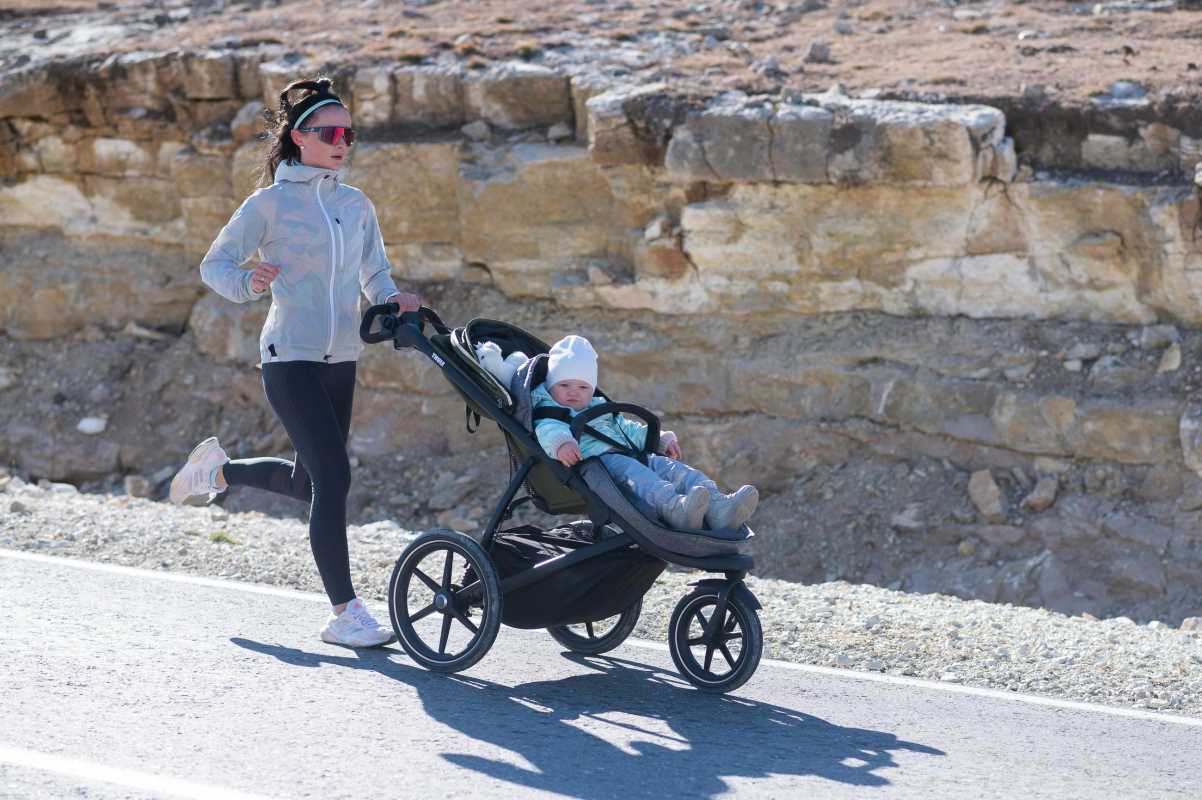
 (Image source: Midjourney)
 Fitness trackers and calorie-counting apps have become as common as passports for many health-conscious travelers. While data can be a useful tool, the constant stream of numbers—calories burned, steps taken, pounds lost—can quickly become a source of anxiety rather than motivation. Imagine spending your vacation in Florence obsessing over whether your gelato will ruin your calorie deficit instead of savoring its taste. For travel enthusiasts, the ultimate goal of fitness is to enhance life's adventures, not to be chained to a digital scoreboard. Shifting your focus from rigid metrics to more meaningful measures of progress can transform your relationship with fitness and make you a more capable, resilient, and joyful explorer.
The Downside of Data Fixation
In our data-driven world, it is easy to believe that if something cannot be measured, it does not count. This mindset can be particularly damaging to a healthy fitness journey. Constantly chasing numbers can lead to a variety of negative outcomes, especially when you are trying to enjoy a trip.
It Steals Your Joy
When you reduce fitness to a set of numbers, it becomes a chore. A beautiful hike turns into a mission to hit 10,000 steps. A delicious, authentic meal becomes a minefield of carbs and fats. This numerical obsession can strip the spontaneity and joy from your travels, turning experiences into transactions. You are so busy tracking the moment that you forget to live in it.
It Creates a False Sense of Failure
The scale goes up by two pounds after a long flight due to water retention. Your fitness watch dies halfway through a long day of walking around ancient ruins. If your self-worth is tied to these numbers, these common travel occurrences can feel like failures. This can lead to feelings of guilt and frustration, which are the last things you want to feel while on vacation. Progress is never linear, and numbers often fail to tell the whole story.
It Ignores the Real Wins
Focusing solely on metrics like weight or speed means you miss the most important indicators of progress. Can you lift your suitcase into the overhead bin without help? Can you walk all day without your back aching? Do you have the energy to stay out late and experience the local nightlife? These are the real-world benefits of fitness, and no app can measure them for you.
Non-Scale Victories: The Traveler’s True Metrics
The best way to track progress is to focus on what your body can do. These are often called Non-Scale Victories (NSVs), and they are far more rewarding than any number on a screen. For a traveler, these victories are the currency of adventure.
1. Functional Strength and Endurance
This is perhaps the most crucial metric for any explorer. It’s not about how much you can bench press; it’s about how your strength translates to real-world activities.
- The Luggage Test: A classic measure of progress. Can you now lift your carry-on into the overhead compartment with ease? Can you carry your heavy backpack through a train station without feeling like your shoulders are going to fall off? This is functional strength in action.
- Stairway Stamina: Many beautiful old cities are filled with stairs. Think of the climb to the top of the Duomo in Florence or the steps leading up to a Greek monastery. Pay attention to how you feel. Are you less breathless than you were a few months ago? Do your legs feel stronger? This is a tangible sign of improved cardiovascular health and leg strength.
- All-Day Energy: One of the best signs of fitness is having sustained energy throughout the day. Do you find you no longer need that mid-afternoon nap to make it to dinner? Can you explore from morning until night without hitting a wall? This increased stamina is a direct result of your consistent efforts.
2. Improved Mobility and Reduced Pain
Travel often involves long periods of sitting—on planes, trains, and buses—followed by long periods of walking. A body that is mobile and pain-free is essential.
- The "Post-Flight" Feeling: How do you feel after a long flight? If you used to deplane feeling like a stiff, creaky mess but now feel relatively limber, that’s a huge win. It means your mobility work and core strengthening are paying off, helping your body withstand the stress of being crammed into a small seat.
- Everyday Aches and Pains: Do you notice that the chronic lower back pain that used to flare up after a day of walking has disappeared? Or that your knees no longer ache after navigating uneven cobblestone streets? The reduction of daily pain is a powerful indicator that you are getting stronger and more resilient.
- Ease of Movement: Pay attention to simple movements. Can you squat down to take a photo without your knees protesting? Can you sit cross-legged on the floor comfortably during a visit to a temple in Asia? Increased range of motion in your hips, ankles, and spine is a victory that makes every aspect of travel more comfortable.
3. Mental and Emotional Well-being
Fitness is as much a mental game as it is a physical one. Your progress here is just as important.
- Increased Confidence: Do you feel more confident saying "yes" to spontaneous adventures? Maybe you wouldn't have considered a surf lesson or a rock-climbing excursion a year ago, but now you feel physically capable and excited to try. This boost in self-belief is an invaluable measure of progress.
- Stress Resilience: Exercise is a powerful tool for managing stress. Do you find that travel hiccups—like a delayed flight or a lost reservation—don't throw you into a panic the way they used to? A regular fitness routine helps regulate your stress hormones, making you a calmer, more adaptable traveler.
- Better Sleep: A well-exercised body sleeps more deeply. Are you able to adjust to new time zones more quickly? Can you get a solid night's rest even in a strange hotel bed? Improved sleep quality is a sign that your body's internal systems are functioning optimally.
How to Track Progress Mindfully
If you still enjoy tracking some data, you don't have to abandon it completely. The key is to use it as a tool, not a master. Here are some healthy ways to keep tabs on your progress.
Keep a Performance Journal
Instead of just logging numbers, write down how you feel. After a workout, jot down a few notes. Was it easier than last time? Did you feel stronger in a particular exercise? This qualitative data provides context that numbers alone cannot.
You can apply this to your travels as well. After a long day of hiking, write down how your body felt. Note your energy levels. Over time, you will see a pattern of improvement that is far more motivating than a simple step count.
Take Progress Photos
The scale can be misleading. It doesn’t differentiate between fat, muscle, and water weight. Progress photos, taken every 4-6 weeks, can provide a much more accurate visual of how your body composition is changing. You might not see a big change on the scale, but you may notice that you look more toned and your clothes fit differently. This is a sign that you are building muscle and losing fat—a clear victory.
Focus on One Performance Goal at a Time
Instead of trying to improve everything at once, pick one specific performance goal. For example, you might want to be able to do 10 consecutive push-ups or hold a plank for two minutes. This gives you a clear, measurable objective that isn’t tied to your weight or appearance. Achieving these kinds of goals builds immense confidence and proves that your hard work is paying off. For a traveler, a great goal could be training to hike a specific trail you've been dreaming of.
The information provided on StayHealthyAndWell is intended for general informational and educational purposes only. Content on this website is not a substitute for professional medical advice, diagnosis, or treatment.
StayHealthyAndWell is not operated by licensed dietitians, registered nutritionists, physical therapists, personal trainers, or medical professionals. Any nutrition, fitness, exercise, or wellness information shared on this site is based on general knowledge, research, and personal perspectives, and should not be interpreted as personalized health or fitness advice.