 (Image via
If you have ever tried to drag a massive suitcase over cobblestone streets in Europe or pull yourself up onto a rocky ledge for the perfect photo in Utah, you already know that your core is doing way more work than you might realize. It’s not just about looking good in swimwear at the hotel pool; it’s the engine room of your entire body, providing the stability and power you need to explore the world without waking up the next day feeling like you’ve been run over by a tour bus. While flashy six-pack abs often steal the spotlight in fitness magazines, seasoned trainers who prioritize longevity over fleeting trends know that real core strength is about function, resilience, and keeping you moving pain-free for decades.
Rethinking the "Core"
First things first, let's clear up a major misconception. When most people hear "core," they immediately picture the rectus abdominis—those "six-pack" muscles right in the front. But focusing only on those is like trying to build a house by just painting the front door. Your true core is a complex cylinder of muscles that wraps around your entire midsection. It includes your obliques (the sides), your lower back muscles, your glutes, and even your diaphragm and pelvic floor.
Imagine your body as a high-performance vehicle designed for adventure. A strong engine doesn't mean much if the chassis is weak and wobbly. Your core is that chassis. It connects your upper and lower body, transferring force between them. When you are hiking up a steep incline, your legs generate the power, but your core stabilizes your spine so that power actually moves you forward instead of getting lost in a wiggly torso. Trainers who focus on longevity train this entire system to work together, rather than isolating one muscle group for aesthetic vanity.
Why Longevity Matters for travelers
For the travel enthusiast, longevity isn't just a buzzword; it's the ticket to a lifetime of adventures. You want to be able to hike the Inca Trail in your 30s, kayak in New Zealand in your 40s, and navigate the bustling markets of Marrakech in your 60s and beyond.
Trend-based workouts often push extreme intensity that can lead to burnout or injury. Longevity-focused training is the antidote. It prioritizes:
- Spine Health: Preventing the lower back pain that ruins long flights and car rides.
- Balance and Stability: Critical for walking on uneven terrain or staying upright on a moving boat.
- Endurance: The ability to maintain good posture even when you are tired at the end of a long day of sightseeing.
Secret #1: Anti-Movement is Better Than Movement
This might sound counterintuitive. Usually, we exercise to move, right? But one of the core's primary jobs is actually to resist movement. It protects your spine from twisting too far or bending under heavy loads. Trainers call this "anti-rotation" and "anti-extension."
Think about lifting your carry-on bag into the overhead bin. As you lift the weight overhead, your lower back naturally wants to arch excessively. A strong core resists that arch, keeping your spine safe and neutral.
The Move: The Pallof Press
Instead of doing hundreds of crunches (which involve flexing the spine repeatedly), try the Pallof Press.
- Stand perpendicular to a cable machine or a resistance band anchored at chest height.
- Hold the handle with both hands close to your chest.
- Press your hands straight out in front of you.
- The resistance will try to twist your body back toward the anchor point. Your job? Don't let it. Keep your shoulders and hips square.
- Hold for a few seconds, then return to your chest.
This teaches your body to stay stable against an outside force—exactly what you need when a sudden wave hits your paddleboard or someone bumps into you on a crowded subway.
Secret #2: Breathing is Part of the Workout
Have you ever noticed that when you lift something heavy, you naturally hold your breath? That’s your body trying to create internal pressure to support your spine. Longevity trainers emphasize mastering this internal pressure through breath work.
Your diaphragm is the roof of your core. When you breathe properly—expanding your belly and sides rather than just lifting your chest—you increase intra-abdominal pressure. This acts like a natural weight belt, bracing your spine from the inside out.
The Test: Lie on your back with your knees bent. Place one hand on your chest and one on your belly. Take a deep breath. If only the hand on your chest moves, you’re "chest breathing." Try to send the air lower so the hand on your belly rises first. Mastering this diaphragmatic breathing is crucial for stabilization during heavy lifts or strenuous hikes.
Secret #3: The Glute Connection
You can’t talk about a functional core without talking about the glutes. As the largest muscle group in the body, your glutes are the powerhouse that supports your pelvis. If your glutes are weak (a common issue from sitting on long flights or at desks), your lower back often has to take over the work. This compensation is a leading cause of back pain among travelers.
When you walk, run, or climb, your glutes should be doing the heavy lifting. If they are "asleep," your lower back muscles strain to stabilize your pelvis. Over time, this leads to chronic pain.
The Fix: Glute Bridges and Dead Bugs
Combining glute activation with core stability is a game-changer.
- Glute Bridge: Lying on your back, lift your hips toward the ceiling by squeezing your glutes, not by arching your back.
- Dead Bug: This looks funny, but it’s serious business. Lie on your back with arms extended toward the ceiling and legs in a tabletop position (knees bent at 90 degrees). Slowly lower your right arm behind your head and extend your left leg straight out. The key is to keep your lower back pressed firmly into the floor. If it arches, you’ve lost the core engagement. This teaches you to move your limbs independently while keeping your core locked in place.
Secret #4: Carry Heavy Things
Functional fitness simply means training your body for the activities you do in daily life. For travelers, one of the most common activities is carrying things—backpacks, duffel bags, grocery bags, or equipment.
The "Farmer's Carry" is a favorite among trainers who focus on real-world strength. It couldn't be simpler: pick up heavy weights in each hand and walk.
This exercise forces your core to stabilize with every step. If you slouch, the weights hit your legs. If you lean to one side, you fall over. You have to maintain perfect, upright posture.
The Variation: Suitcase Carry
To make it even more relevant, try holding a weight in only one hand while walking. Now, your obliques on the opposite side have to work overtime to keep you from leaning toward the weight. This mimics carrying a heavy piece of luggage through a terminal with one hand while holding your coffee in the other. It builds unilateral (one-sided) strength that is vital for correcting muscle imbalances.
Secret #5: Consistency Over Intensity
The "no pain, no gain" mentality is often the enemy of longevity. You don't need to destroy your abs with a 45-minute high-intensity circuit every day to see results. In fact, doing so can lead to overtraining and injury.
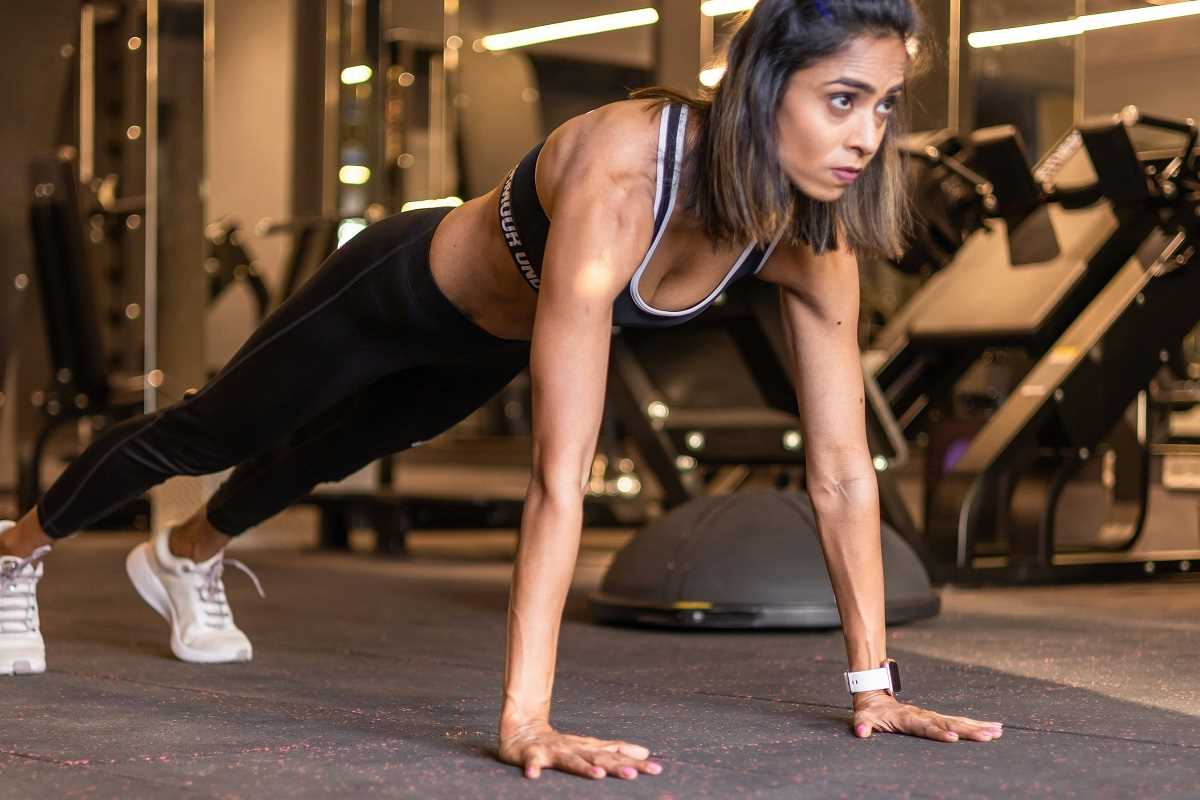
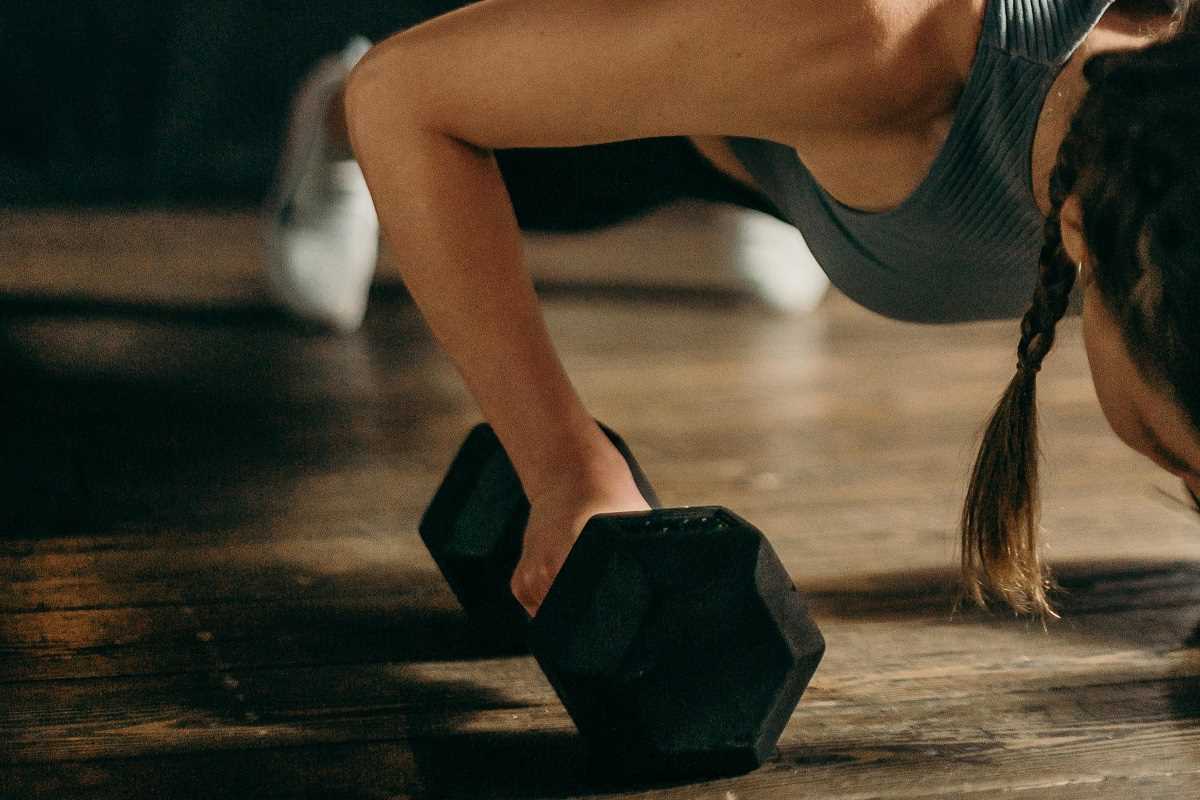
Trainers focused on the long game suggest integrating core work into your existing routine. You can do 10 minutes of dedicated core work at the end of a session, or better yet, engage your core properly during every exercise. When you are doing a push-up, you are essentially doing a moving plank. When you are squatting, your core is bracing.
Small, consistent doses of correct movement are far more effective than sporadic bursts of intensity. Before your next trip, commit to doing 10-15 minutes of stability work three times a week. It doesn’t require a gym; a hotel room floor works perfectly.
The information provided on StayHealthyAndWell is intended for general informational and educational purposes only. Content on this website is not a substitute for professional medical advice, diagnosis, or treatment.
StayHealthyAndWell is not operated by licensed dietitians, registered nutritionists, physical therapists, personal trainers, or medical professionals. Any nutrition, fitness, exercise, or wellness information shared on this site is based on general knowledge, research, and personal perspectives, and should not be interpreted as personalized health or fitness advice.