 (Image via
Picture yourself standing at the base of a magnificent mountain trail in Patagonia, your backpack strapped on tight, ready for the hike of a lifetime, or maybe you are navigating the busy, uneven streets of Marrakech with a heavy suitcase in tow. In these moments, your body is your most valuable vehicle, and its ability to perform relies heavily on the preparation you put in beforehand. Fitness isn’t just about how much weight you can lift in the safety of a gym; it is about how effectively your body moves in the real world. This is where the concepts of "form" and "function" come into play. Understanding the difference—and the connection—between nailing your exercise technique and building real-world capability is the secret to a lifetime of pain-free, exhilarating travel adventures.
The Foundation: Why Form Matters More Than Weight
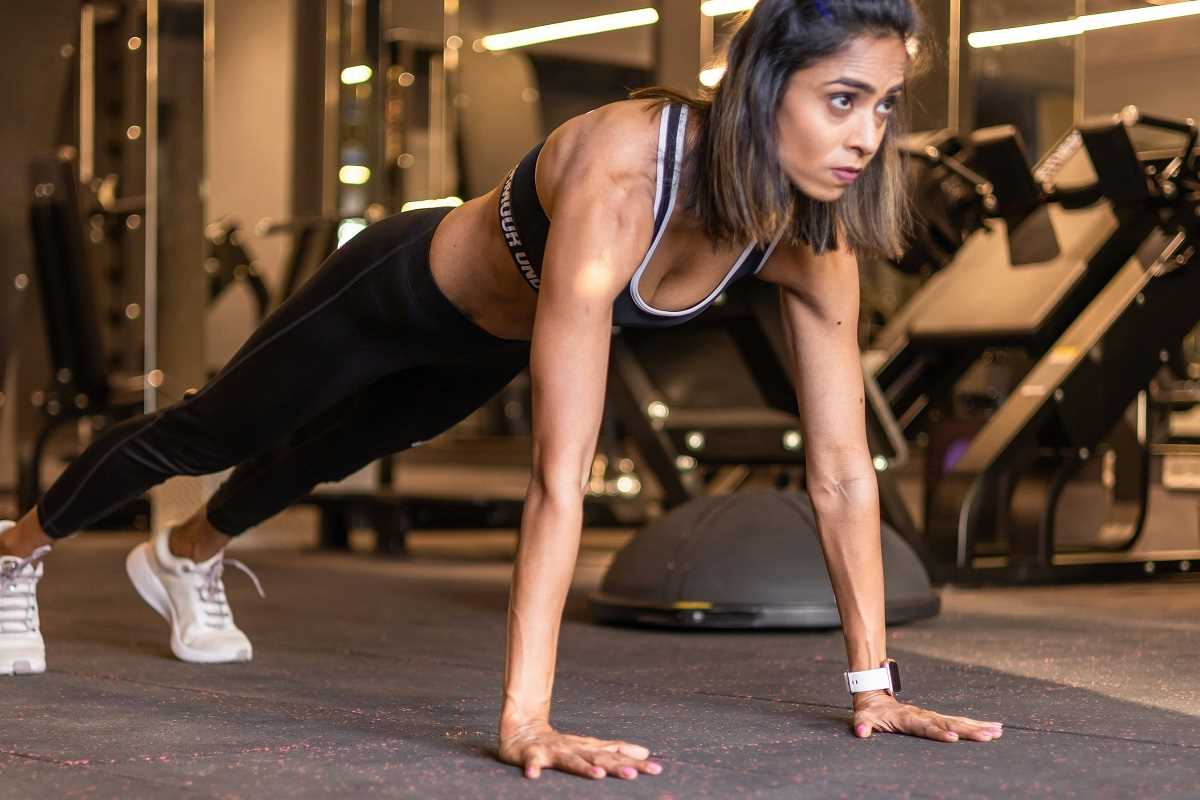
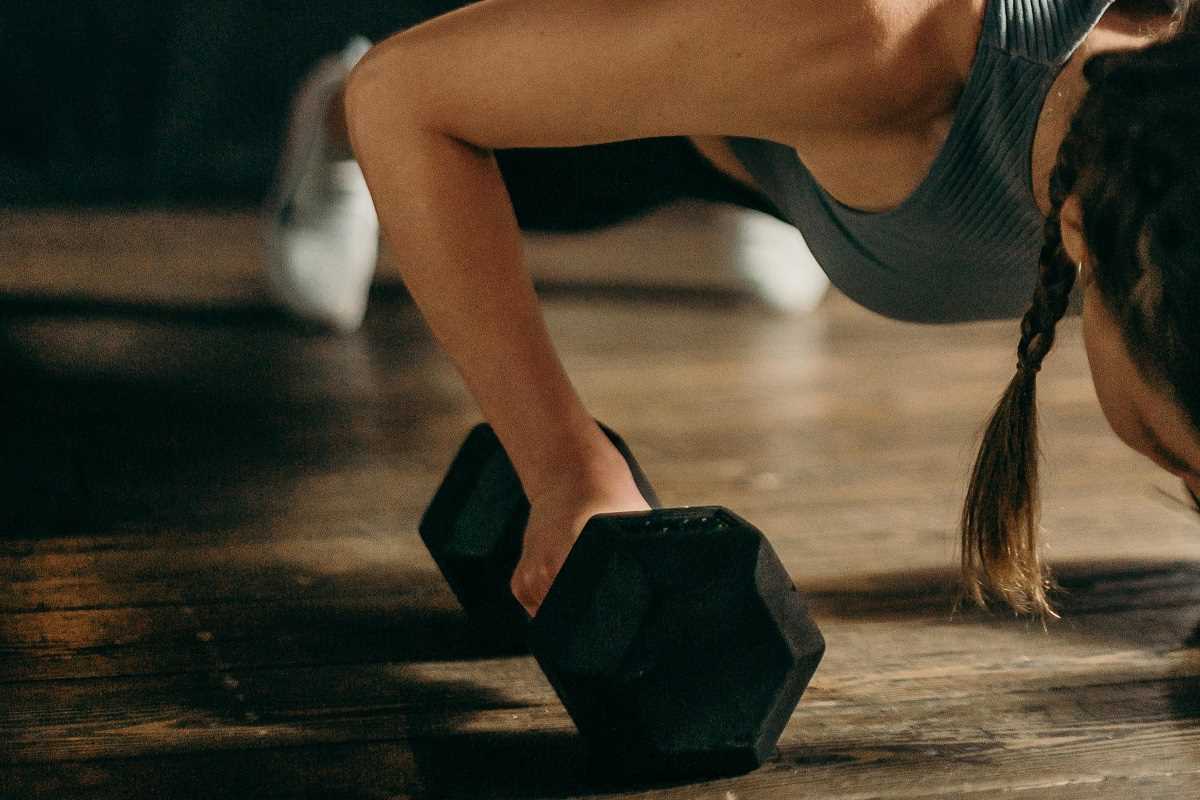
It is tempting to grab the heaviest dumbbell on the rack. We often equate effort with the size of the weight we move. However, sloppy movement patterns are a one-way ticket to injury, especially when you are thousands of miles away from your regular chiropractor or physical therapist. Good form is the roadmap for your muscles; it ensures you get to your destination safely and efficiently.
Preventing "Travel-Ending" Injuries
Imagine you have been doing deadlifts with a rounded back for months. You might not feel pain immediately, but you are slowly weakening your spinal integrity. fast forward to your trip: you bend down to pick up a souvenir or hoist your carry-on into the overhead bin, and suddenly—snap. Your back goes out.
Proper form during exercise trains your body to move correctly under stress. When you learn to hinge at the hips during a deadlift, you are training your body to lift heavy objects using your powerful leg and glute muscles rather than your vulnerable lower back. This muscle memory kicks in automatically when you are lifting luggage, preventing the kind of simple strains that can ruin a vacation.
Efficiency Equals Energy
Travel requires stamina. Whether you are walking 20,000 steps a day exploring Rome or kayaking in Thailand, you need energy. Poor form during exercise is inefficient; it leaks energy. If your knees cave in during a squat, your body has to work harder to stabilize itself, wasting precious fuel.
When you master good form, your movements become economical. You use the right muscles for the job. This efficiency translates directly to your travels. Walking with good posture, lifting with your legs, and moving with alignment means you will have more energy left over at the end of the day to enjoy a sunset dinner, rather than collapsing in your hotel room from exhaustion.
Functional Fitness: Training for the Real World
While "form" is about how you do a specific exercise, "function" is about why you do it. Functional fitness focuses on exercises that mimic everyday movements. For travelers, this is crucial. You rarely lie on a bench and push a weight straight up (like a bench press) in the real world. You are far more likely to squat, lunge, twist, pull, and carry.
The "Suitcase Carry" and Core Strength
Think about how often you carry a heavy bag on one side of your body. This asymmetrical load forces your core to work overtime to keep you upright. If you only train with balanced machines in a gym, your body might not be ready for this uneven stress.
Functional exercises like the "Farmer's Walk" or "Suitcase Carry" (holding a heavy weight in one hand and walking) are perfect for travelers. They train your obliques and lower back to stabilize your spine against uneven loads. This means the next time you are sprinting through a terminal with a duffel bag on one shoulder, your body will be strong, stable, and resilient.
Lunges for Uneven Terrain
Gym floors are perfectly flat. The ancient cobblestones of Europe, the sandy beaches of the Caribbean, and the rocky trails of the Andes are not. If you only squat on a stable surface, your stabilizer muscles might be underdeveloped.
Lunges are a functional powerhouse. They mimic the motion of walking, climbing stairs, and stepping over obstacles. Doing multi-directional lunges (forward, backward, and side-to-side) prepares your ankles, knees, and hips for the unpredictable terrain of travel. You build the balance and coordination needed to navigate a rocky path without twisting an ankle.
Getting the Most Out of Every Rep
Now that we understand the "why," let's look at the "how." Maximizing every repetition isn't about rushing through a set to get it over with. It involves mindfulness and intention.
The Mind-Muscle Connection
It sounds like something a guru would say, but the mind-muscle connection is scientifically backed. It simply means focusing your attention on the muscle you are trying to work. If you are doing a row, don't just jerk the weight back. Think about squeezing your shoulder blade towards your spine.
For a traveler, this awareness is vital. When you are climbing a steep hill, focusing on engaging your glutes can take the pressure off your knees. When you are sitting on a long flight, being aware of your posture can prevent neck stiffness. Training this awareness in the gym makes it second nature on the road.
Tempo and Control
Speed can hide a lot of mistakes. Momentum often takes over, robbing your muscles of the work they need to grow strong. Slowing down your reps forces you to control the weight through the full range of motion.
Try this: take three seconds to lower a weight, pause for one second at the bottom, and take one second to lift it. This "time under tension" builds superior strength and control. It teaches your body to handle loads safely, even in awkward positions—like reaching for a bag under the seat in front of you or stabilizing yourself on a moving train.
Full Range of Motion
Partial reps build partial strength. If you only go halfway down in a squat, you are only strong in that top range. But life—and travel—often requires deep ranges of motion. You might need to squat deep to take a photo or step high to get into a 4x4 vehicle.
Training through a full range of motion ensures your joints remain mobile and healthy. It prevents stiffness and maintains the flexibility needed for spontaneous adventures. Just be sure not to force a range of motion that causes pain; work within your limits and gradually expand them.
Adapting Your Routine for Travel Readiness
You don't need to completely overhaul your workout routine to reap these benefits. Small tweaks can make your current program more functional and travel-ready.
- Ditch the Machines: whenever possible, choose free weights (dumbbells, kettlebells) or bodyweight exercises over seated machines. Machines stabilize the weight for you; free weights force you to stabilize it yourself, just like real-life objects.
- Add Rotation: Travel involves a lot of twisting—turning to grab a bag, looking behind you, reaching across your body. Add exercises like "Russian Twists" or "Woodchoppers" to build rotational strength and protect your lower back.
- Prioritize Single-Leg Work: Walking, running, and climbing are essentially single-leg activities repeated over and over. Add single-leg deadlifts or step-ups to your routine to fix muscle imbalances and improve balance.
The information provided on StayHealthyAndWell is intended for general informational and educational purposes only. Content on this website is not a substitute for professional medical advice, diagnosis, or treatment.
StayHealthyAndWell is not operated by licensed dietitians, registered nutritionists, physical therapists, personal trainers, or medical professionals. Any nutrition, fitness, exercise, or wellness information shared on this site is based on general knowledge, research, and personal perspectives, and should not be interpreted as personalized health or fitness advice.