 (Image source: Midjourney)
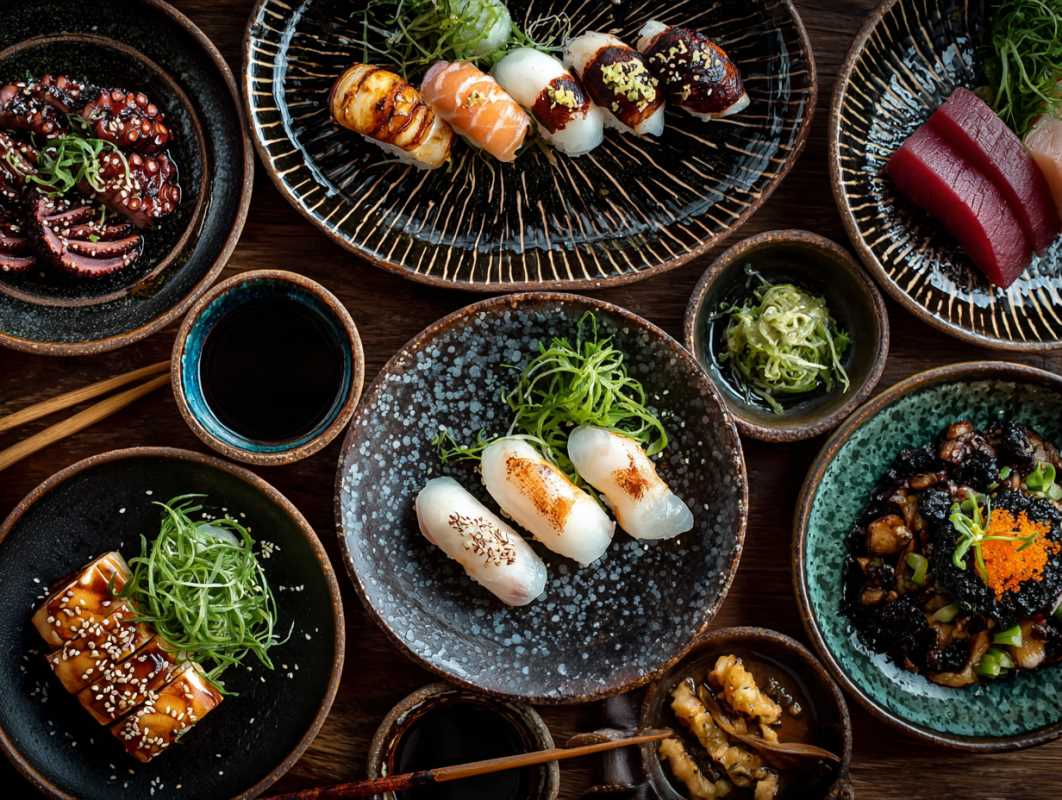
 Have you ever looked at a traditional Japanese meal and felt a sense of calm just by seeing it? It’s not just about the beautiful presentation or the delicate ceramic dishes; it’s about a deep-rooted philosophy that views food as a way to harmonize the body with nature. While Western diets often focus on what to cut out—less fat, fewer carbs, zero sugar—Japanese food culture focuses on what to include and how to eat it. It’s a holistic approach that prioritizes balance, variety, and mindfulness over strict rules or deprivation. By borrowing a few of these time-tested principles, we can transform our own chaotic eating habits into a source of nourishment and peace, creating a lifestyle that feels good from the inside out.
Let’s explore the core pillars of Japanese eating and how you can apply them to your own life, no matter where you live.
Ichiju-Sansai: One Soup, Three Sides
If you walk into a Japanese home for dinner, you likely won't see a giant steak taking up the entire plate with a lonely scoop of mashed potatoes on the side. Instead, you’ll encounter Ichiju-Sansai, which translates to "one soup, three sides." This is the foundational structure of a traditional Japanese meal.
The Balanced Structure
At the center of the meal is usually a bowl of rice (the energy source) and a bowl of soup (usually miso, for hydration and gut health). Surrounding these are three side dishes—one main protein (often fish or tofu) and two vegetable-based sides.
This setup automatically encourages portion control and nutritional diversity. Because you are eating several small dishes rather than one massive entree, you naturally slow down. You get a variety of flavors and textures in one sitting, which satisfies the palate more effectively than a single-flavor meal.
How to Do It at Home
You don't need to cook three elaborate new recipes every night.
- Think in Small Bowls: Instead of piling everything onto one large dinner plate, try serving your meal in smaller separate bowls.
- The "Plus Two" Rule: If you’re having grilled chicken and rice, just add a cup of miso soup (instant is fine!) and a small cucumber salad. Suddenly, a simple dinner becomes a balanced feast.
- Pre-made Sides: Japanese home cooks often rely on tsukemono (pickles) or pre-cooked vegetable sides that can be kept in the fridge for a few days. Preparing a batch of sesame spinach or pickled carrots on Sunday can give you "sides" for the whole week.
Hara Hachi Bu: Eat Until You’re 80% Full
This might be the most famous—and arguably the most difficult—principle for Westerners to adopt. Originating from Okinawa, Hara Hachi Bu is the practice of stopping eating when you are 80% full, rather than stuffing yourself until you are 100% full or "stuffed."
The Science of Satiety
There is a physiological reason this works. There is a delay between when your stomach is full and when your brain gets the signal. If you eat until you feel completely full, you have likely already overeaten. By stopping at 80%, you give your brain time to catch up. Twenty minutes later, you’ll likely find that you feel perfectly satisfied, without the heavy, lethargic feeling that comes after a large meal.
This practice reduces the overall calorie intake without the need for calorie counting. It also puts less stress on your digestive system, which can lead to better energy levels and longevity.
Practical Tips for 80%
- Eat Slowly: It’s impossible to gauge your fullness if you inhale your lunch in five minutes. Put your fork down between bites.
- Serve Smaller Portions: Use smaller plates. It tricks the brain into thinking you are eating more than you are.
- The Pause: When you are halfway through your meal, stop for a full minute. Drink some water or tea. Check in with your stomach. Are you still truly hungry, or just eating because the food is there?
Shun: Eating with the Seasons
In Japan, seasonality is an obsession. This concept is known as Shun (pronounced "shoon"). It refers to the exact moment when a specific ingredient is at its peak flavor and nutritional value.
Why Seasonality Matters
In our modern world, we can buy strawberries in December and pumpkins in July. While convenient, this disconnects us from nature’s rhythm. Japanese cuisine celebrates the fleeting nature of food. Bamboo shoots in spring, refreshing cold noodles and eel in summer, chestnuts and pacific saury in autumn, and root vegetables in winter.
Eating Shun means you are eating food that is naturally richer in nutrients. A tomato grown in the summer sun has more vitamin C than one grown in a hothouse in winter. It also naturally varies your diet throughout the year, ensuring you get a wide spectrum of vitamins and minerals.
Incorporating Shun
- Visit Farmers Markets: This is the easiest way to see what is actually in season in your area.
- Check the Price: Usually, produce that is in season is cheaper because it is abundant. If asparagus is suddenly on sale for a dollar a bunch, it’s probably Shun.
- Adjust Your Cooking Method: In the summer, focus on raw or lightly steamed foods to cool the body. In the winter, shift to stews, roasting, and simmering to build internal heat.
Mottainai: Waste Nothing
Mottainai is a sense of regret concerning waste. It’s a philosophy that respects the resources and labor that went into growing, harvesting, and preparing food. In the kitchen, this translates to using every part of the ingredient.
Respecting the Ingredient
This principle encourages creativity. It’s about not peeling a carrot if you don't have to (the skin has nutrients!), using broccoli stems in a stir-fry instead of tossing them, or using leftover rice to make porridge the next morning. It fosters a sense of gratitude for the food, which in turn leads to more mindful eating.
Reducing Waste at Home
- Save the Scraps: Keep a bag in your freezer for vegetable peelings, onion skins, and herb stems. When it's full, boil it with water to make a nutrient-dense vegetable broth.
- Cook the Leaves: Did you buy radishes or beets with the greens attached? Don't throw them away! Sauté them with garlic and oil for a delicious, free side dish.
- Leftover Makeover: View leftovers not as "old food" but as ingredients for a new meal. Leftover grilled fish can be flaked into fried rice; leftover roasted veggies can be blended into soup.
Wasoku: The Harmony of Colors and Flavors
Traditional Japanese cuisine, or Washoku, aims for harmony on the plate. A guiding rule is to include five colors (red, white, green, black, and yellow) and five flavors (salty, sweet, sour, bitter, and umami) in every meal.
The Nutritional Rainbow
This isn't just for aesthetics. Different colors in food represent different phytonutrients.
- Red/Orange: Carrots, peppers, salmon (Vitamin A, antioxidants).
- Green: Spinach, beans, nori (Vitamin K, folate).
- Black/Dark: Mushrooms, seaweed, sesame seeds, eggplant (Minerals).
- Yellow: Egg, sweet potato, miso (Protein, healthy carbs).
- White: Rice, tofu, daikon radish (Energy, digestion).
By aiming for a colorful plate, you are visually ensuring nutritional balance without needing a calculator.
Balancing the Palate
Incorporating the five flavors ensures satisfaction. If a meal is just salty, you might crave sugar afterward. But if a meal has savory miso (umami), a pickle (sour), plain rice (sweet/neutral), and a veggie side (bitter/salty), your taste buds are fully engaged and satisfied.
Creating Your Own Palette
- The Sprinkle Hack: If your meal looks beige (chicken and rice), how can you add color? Green onions? A sprinkle of black sesame seeds? A side of red kimchi?
- Add a Pickle: A small side of pickles (sauerkraut, pickled ginger, or cucumber) adds that sour crunch that cuts through rich foods and aids digestion.
Adopting Japanese food principles doesn't mean you have to eat sushi every day. It’s about the mindset. It’s about shifting from "eating on the run" to "dining with intention."
The information provided on StayHealthyAndWell is intended for general informational and educational purposes only. Content on this website is not a substitute for professional medical advice, diagnosis, or treatment.
StayHealthyAndWell is not operated by licensed dietitians, registered nutritionists, physical therapists, personal trainers, or medical professionals. Any nutrition, fitness, exercise, or wellness information shared on this site is based on general knowledge, research, and personal perspectives, and should not be interpreted as personalized health or fitness advice.