 (Image via
Longterm success isn't achieved overnight. Like a steady relationship, it takes time to build something that lasts. We often think that achieving our big fitness goals, like being able to complete a multi-day trek through the Andes or effortlessly kayaking for hours in a crystal-clear bay, requires a massive, dramatic overhaul of our lives. This "all-or-nothing" mindset can be intimidating, often leading to burnout before we even get close to our destination. The real secret to building a body that can carry you through a lifetime of adventures lies not in radical transformations, but in the quiet power of small, consistent adjustments that compound over time.
The Myth of the Grand Gesture
In fitness, as in travel, we are often captivated by the epic highlight reel. We see the summit photo, not the thousands of small, trudging steps it took to get there. We are drawn to intense "30-day shred" programs and extreme diets that promise rapid, revolutionary results. While these can provide a short-term shock to the system, they are rarely sustainable.
The problem with the grand gesture approach is that it relies on a finite supply of motivation and willpower. It's easy to be excited for the first week of a punishing new routine, but what happens when life gets in the way? A stressful week at work, a surprise trip, or simple fatigue can derail the entire plan. When the plan is too rigid and demanding, a single misstep can feel like a total failure, making it tempting to quit altogether.
Lasting change is built differently. It is the result of habits so small and manageable that they become part of your identity. It's about choosing the stairs instead of the elevator, not just once, but most of the time. It’s about adding five more pounds to your squat this month, not 50. This is the principle of "aggregate gains," and it's how you build fitness that lasts far beyond a single vacation.
The Science of 1% Better
The concept of making tiny improvements was popularized by James Clear in his book Atomic Habits. The idea is simple: if you can get just 1% better each day, the results will compound into something extraordinary over the course of a year. That 1% improvement is so small it’s almost unnoticeable. It doesn’t require a huge surge of motivation. It’s doable even on your worst days.
Let's apply this to a travel-related goal. Imagine you want to be able to hike for five hours without feeling completely exhausted.
- The "All-or-Nothing" Approach: You decide to go on a grueling five-hour hike this weekend, even though you haven’t trained. You'll likely end up exhausted, sore for days, and possibly injured. Your motivation will plummet.
- The "1% Better" Approach:
- Week 1: You commit to a 30-minute walk, three times this week. That's it. It’s easy to achieve.
- Week 2: You make one of those walks 45 minutes long.
- Week 3: You find a small hill and incorporate it into one of your walks.
- Week 4: You add a light backpack to your longest walk.
Each step is a tiny, almost trivial adjustment. But over several months, these small wins build on each other. Your cardiovascular base improves, your leg strength increases, and your body adapts to carrying a load. Before you know it, a two-hour hike feels easy, and a five-hour trek is well within your grasp. You built your "summit fitness" one small, consistent step at a time.
Where to Make Your Small Adjustments
Identifying areas for small, consistent improvements is the key. You don’t need to change everything at once. Pick one or two of these areas and focus on making a tiny upgrade.
Your Workouts: Progressive Overload in Micro-Doses
Progressive overload is the fundamental principle of getting stronger. It means continually challenging your muscles slightly more than they are accustomed to. But "more" doesn't always mean adding a huge amount of weight.
- Add One More Rep: If you did three sets of eight push-ups last week, aim for three sets of nine this week. This tiny increase signals to your body that it needs to adapt.
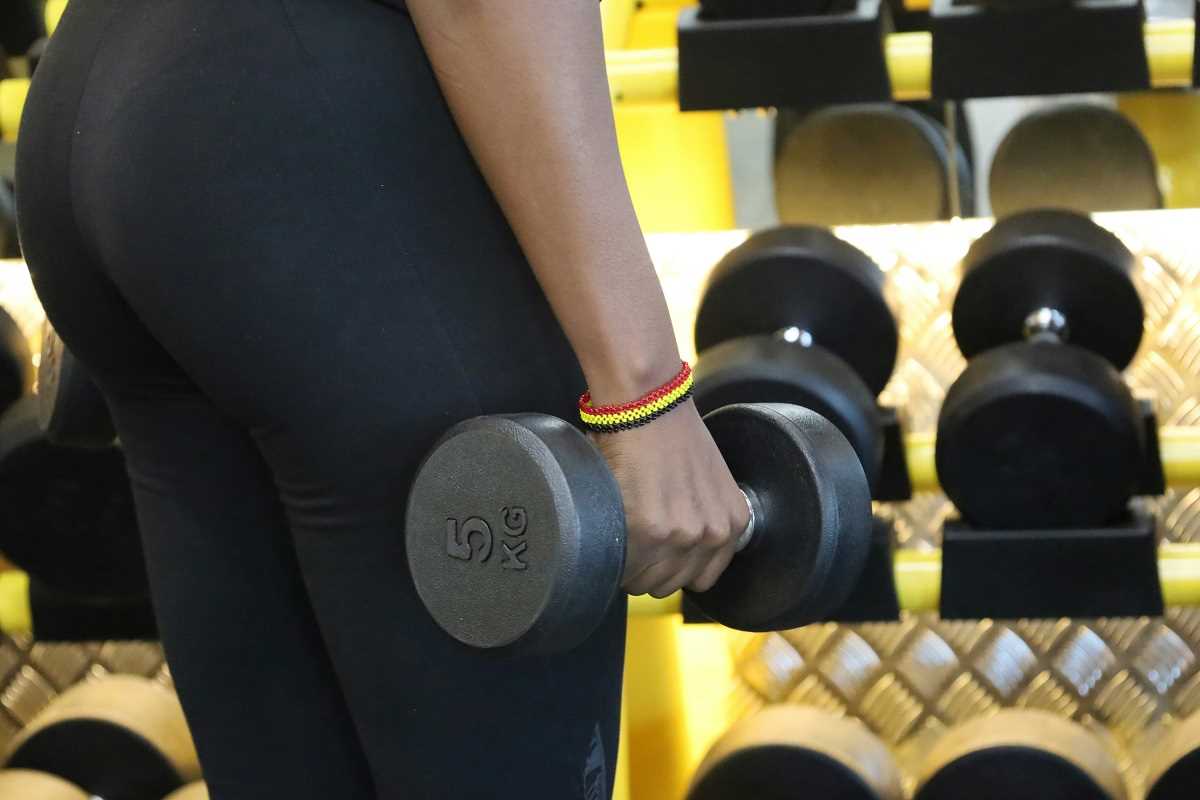
- Increase Weight Slightly: Instead of jumping from 20-pound dumbbells to 30-pounders, see if you can find 22.5-pound dumbbells. That small increment is a more sustainable way to build strength.
- Decrease Rest Time: If you normally rest 90 seconds between sets, try resting for 75 seconds. This increases the metabolic demand of your workout without changing the exercises at all.
- Improve Your Form: Film yourself doing an exercise like a squat. This week, focus only on keeping your chest up a little more. Next week, focus on going an inch deeper. Perfecting your technique is a form of progress that makes you stronger and prevents injury.
Your Daily Movement: Find the Frictionless Wins
Your body adapts to what you do most often. If you sit for eight hours a day, your body becomes very good at sitting. To prepare for an active travel lifestyle, you need to pepper your day with movement.
- The "Parking Lot" Strategy: Don't circle the lot looking for the closest spot. Intentionally park at the far end of the lot. This adds a few hundred extra steps to your day without requiring a separate "workout."
- The "Hydration" Loop: Commit to drinking more water. A natural side effect is that you'll have to get up from your desk more often to use the restroom. It's a built-in movement break.
- The "Stair" Rule: Make a simple rule for yourself: if the destination is fewer than four floors up, always take the stairs. This is especially great practice when navigating European walk-up apartments or hotels.
- The "Waiting Game" Mobilization: Waiting for your coffee to brew or for a file to download? Don't just stand there. Do ten bodyweight squats or some ankle circles. It’s a two-minute mobility session that costs you zero extra time.
Your Nutrition: One Small Swap at a Time
Overhauling your diet is notoriously difficult. Instead of vowing to "eat clean" starting tomorrow, focus on one small, manageable swap.
- Liquid Calories: If you drink a sugary soda every day, swap it for sparkling water three days a week. Once that feels normal, make it five days a week.
- Add, Don't Subtract: Instead of focusing on what to remove, focus on what to add. Can you add a side of vegetables to your lunch? Can you add a piece of fruit as an afternoon snack? This naturally crowds out less-healthy options.
- The "One Glass" Rule: Before you have any other beverage with a meal (juice, soda, wine), drink one full glass of water first. This aids hydration and can help you feel fuller, reducing overconsumption.
Your Recovery: The Most Overlooked Gain
You don't get fitter in the gym; you get fitter while you recover. Small improvements in your sleep and rest can have a huge impact on your energy levels and progress.
- The "15-Minute" Wind-Down: For just 15 minutes before bed, put your phone away. The blue light from screens can interfere with melatonin production, a key hormone for sleep. Use that time to read a book, do some light stretching, or listen to calm music.
- The "Consistency" Wake-Up: Try to wake up within the same 60-minute window every day, even on weekends. This helps regulate your body's internal clock, leading to more restorative sleep.
- The "Active" Rest Day: On your days off from structured workouts, don't just become a couch potato. Go for a gentle walk. This is called active recovery, and it can help reduce muscle soreness by increasing blood flow.
The Traveler's Mindset: Patience and Process
As a traveler, you understand that the journey is just as important as the destination. You know that a flight delay or a wrong turn is not a failure, but part of the adventure. Apply this same mindset to your fitness.
There will be weeks when you don’t make any progress. There will be trips where your routine is completely disrupted. That’s okay. The goal is not perfection; it's consistency over the long haul. A "1% better" approach means that even after a week of indulgence on vacation, you can come home and seamlessly pick up where you left off with your small, manageable habits.
The information provided on StayHealthyAndWell is intended for general informational and educational purposes only. Content on this website is not a substitute for professional medical advice, diagnosis, or treatment.
StayHealthyAndWell is not operated by licensed dietitians, registered nutritionists, physical therapists, personal trainers, or medical professionals. Any nutrition, fitness, exercise, or wellness information shared on this site is based on general knowledge, research, and personal perspectives, and should not be interpreted as personalized health or fitness advice.