 (Image source: Midjourney)
 You wake up in a cozy hotel room in Lisbon, the sun just starting to peek through the curtains, and your itinerary for the day is absolutely packed with sightseeing, food tours, and museum visits. The last thing you want to do is spend a precious hour figuring out the hotel gym equipment or searching for a local fitness center, but you also know that getting your blood pumping early sets the tone for a high-energy day of exploration. This is the classic traveler's dilemma: balancing the desire to stay fit with the irresistible pull of adventure. The solution lies in efficient, full-body workouts that you can knock out before your travel companion even finishes their first cup of coffee. By mastering the art of the quick morning routine, you ensure that your fitness enhances your travels rather than competing with them.
The Magic of Morning Movement for Travelers
Starting your day with movement does more than just burn a few calories. For a traveler, the benefits are physiological and psychological. When you exercise first thing in the morning, you wake up your nervous system and get oxygen flowing to your brain. This is crucial when you are battling jet lag or grogginess from a late night out.
Physically, a quick workout primes your muscles for the day ahead. Think of it as a warm-up for the main event. If you plan to walk 20,000 steps around a city or hike a trail, your joints and muscles will thank you for the morning activation. It reduces stiffness and lowers the risk of those nagging aches that can slow you down. Mentally, ticking the "fitness box" early gives you a sense of accomplishment. You can indulge in the local cuisine—be it a croissant in Paris or dim sum in Hong Kong—without a shred of guilt, knowing you’ve already invested in your health.
The No-Excuse Hotel Room Routine (15 Minutes)
Space is often a luxury when traveling. You might be in a tiny boutique hotel room or a hostel with limited floor space. This workout is designed to be performed in a space no larger than a yoga mat. It requires zero equipment, using your body weight to challenge every major muscle group.
The Circuit Structure
Perform each exercise for 45 seconds, followed by 15 seconds of rest to transition to the next move. Complete the full circuit three times.
1. The Prisoner Squat
Stand with your feet shoulder-width apart and place your hands behind your head, pulling your elbows back. This opens up your chest—perfect for countering the hunched posture from sitting on planes. Squat down as if sitting in a chair, keeping your chest up and weight in your heels. Drive back up to standing. This targets your quads, glutes, and hamstrings while engaging your upper back posture.
2. Push-Up to Shoulder Tap
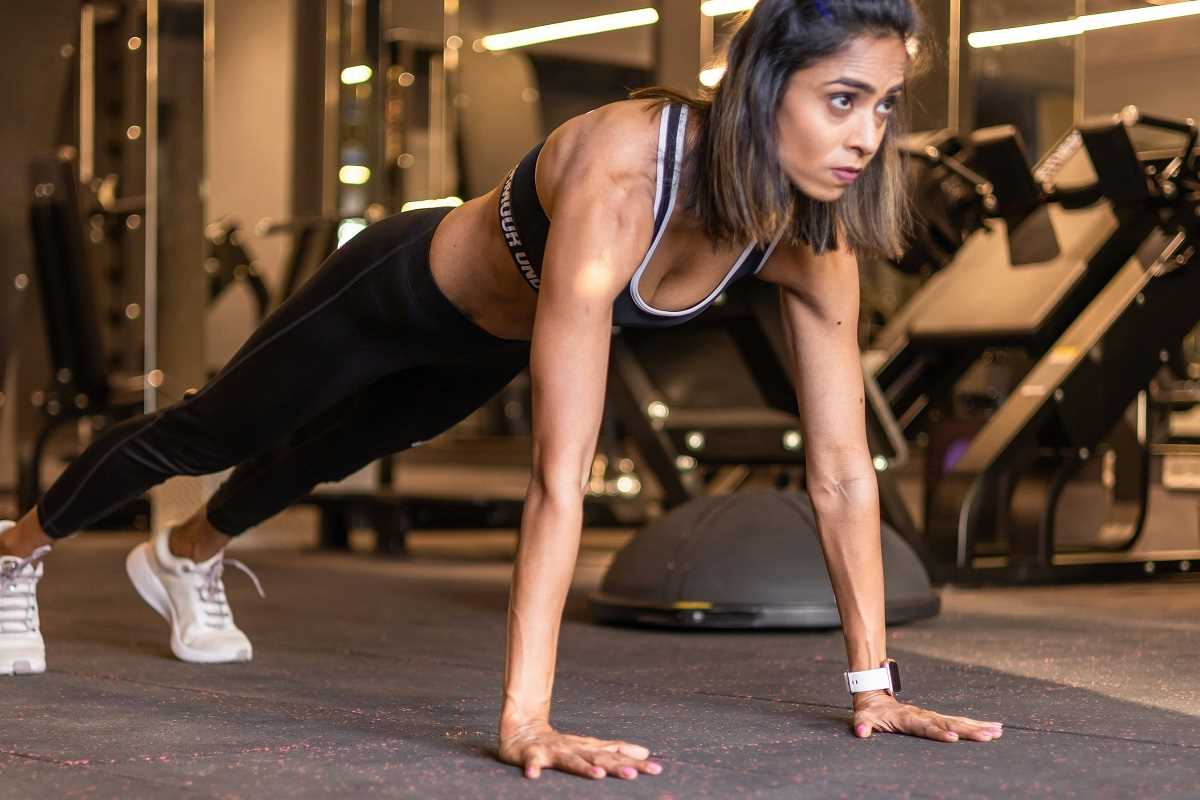
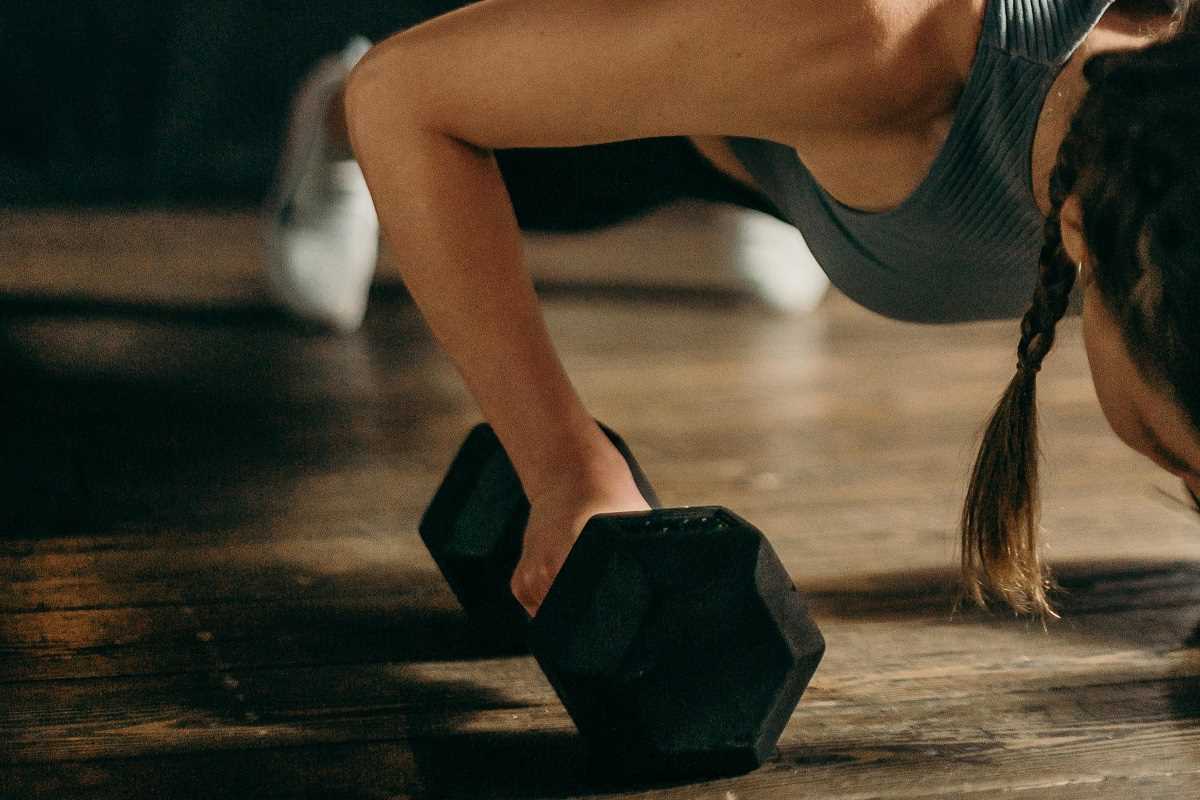
Get into a standard push-up position. Perform a push-up, and at the top of the movement, lift your right hand to tap your left shoulder. Place it back down, do another push-up, and tap your right shoulder with your left hand. If a full push-up is too hard, drop to your knees or do them against the edge of the bed. This move builds upper body strength and challenges your core stability.
3. Reverse Lunge with Knee Drive
Step your right foot back into a lunge, lowering your back knee toward the floor. As you push off your back foot to return to standing, drive that same knee up toward your chest before placing it down. Switch legs. This dynamic movement fires up your legs and improves the balance you need for navigating uneven cobblestone streets.
4. Plank with Hip Dips
Get into a forearm plank position. Keep your body in a straight line from head to heels. slowly rotate your hips to the right, dipping them toward the floor, then return to center and dip to the left. This targets your obliques and strengthens the core muscles that protect your lower back when carrying luggage.
5. Mountain Climbers
From a plank position, drive your knees toward your chest one at a time, moving as fast as you can while maintaining control. This is your cardio burst to get the heart rate up and wake up your metabolism.
The "Park Bench" Power Workout (20 Minutes)
If you’re lucky enough to be near a park or have a balcony with a sturdy bench or chair, you can add some variety to your routine. Getting outside for morning light is also one of the best ways to reset your circadian rhythm and beat jet lag.
The Circuit Structure
Perform 12-15 repetitions of each exercise. Move from one exercise to the next with minimal rest. Rest for 60 seconds after completing the circuit. Aim for 3-4 rounds.
1. Step-Ups
Find a bench or a sturdy low wall. Step your right foot onto it and drive through your heel to lift your body up, bringing your left foot to meet the right (or driving the knee up for extra difficulty). Step back down with the left foot first. Complete all reps on one leg before switching. This is fantastic for glute strength and mimics the motion of climbing stairs or hiking.
2. Incline Push-Ups
Place your hands on the bench and extend your legs back so your body is at an angle. Lower your chest to the bench and push back up. This variation is generally easier than floor push-ups, allowing you to do more reps and focus on chest activation.
3. Tricep Dips
Sit on the edge of the bench with your hands gripping the edge next to your hips. Slide your butt off the bench, supporting your weight with your arms. Bend your elbows to lower your body toward the ground, then push back up. This isolates the triceps, the muscles on the back of your arms.
4. Bulgarian Split Squats
Stand facing away from the bench. Reach one foot back and place the top of your foot on the bench. Lower your hips until your front thigh is parallel to the ground, then push back up. This is a challenging single-leg exercise that builds serious strength and balance.
5. Bench Jumps (or Step Jumps)
Stand in front of the bench. explosively jump up with both feet landing softly on the bench. Step down one foot at a time. If the bench is too high or you aren't comfortable jumping, do fast alternating toe taps on the edge of the bench. This provides an explosive power element to your workout.
The "Suitcase" Strength Session (15 Minutes)
Your luggage isn't just a container for your clothes; it is a portable weight. Before you unpack (or after you pack up), use your suitcase or backpack to add resistance to your morning routine.
The Circuit Structure
Perform each exercise for 1 minute. Focus on slow, controlled movements rather than speed. Complete 3 rounds.
1. Suitcase Deadlift
Stand with your suitcase standing upright next to your right foot. Hinge at your hips, keeping your back flat, and grab the handle. Stand up tall, squeezing your glutes, then lower it back down with control. Do 30 seconds on the right side, then switch to the left. This trains your body to lift heavy objects safely—a vital skill for any traveler.
2. Goblet Squat with Backpack
Hold your backpack (or a smaller bag) against your chest. Perform squats as normal. The added weight in front of you forces your core to work harder to keep you upright and adds intensity to your leg workout.
3. Overhead Press
Hold your bag at chest height. Press it straight up overhead until your arms are fully extended. Lower it back to your chest. Be careful with the weight here; start with a lighter bag if needed. This builds shoulder strength essential for placing bags in overhead compartments.
4. Bent-Over Row
Hold the handle of your bag in one hand. Hinge forward at the hips so your torso is nearly parallel to the floor (use a wall or chair for support with the other hand if needed). Pull the bag up toward your hip, squeezing your back muscles. Switch sides halfway through.
Tips for Consistency on the Road
Knowing what to do is only half the battle. The real challenge is actually doing it when a soft hotel bed and room service are calling your name.
Pack Your Gear visibly
When you unpack, lay your workout clothes and shoes out where you can see them. If they are buried at the bottom of your suitcase, it’s easy to ignore them. Seeing them first thing in the morning serves as a visual trigger to get moving.
Hydrate Immediately
Travel is dehydrating, especially air travel. Drink a large glass of water as soon as you wake up. Rehydrating helps wake up your brain and muscles, making the idea of exercise feel much less daunting.
Use the "5-Minute Rule"
Tell yourself you only have to work out for five minutes. Often, the hardest part is just starting. Once you’ve done the warm-up or the first round of a circuit, the endorphins kick in, and you’ll likely want to finish the whole session. If not, five minutes of movement is infinitely better than zero.
Connect Fitness to Experience
Remind yourself why you are exercising. You aren't training for the Olympics; you are training to have the energy to climb the Duomo in Florence, to hike the Inca Trail, or simply to wander the streets of Tokyo for hours without fatigue. Your morning workout is the fuel for your adventure.
The information provided on StayHealthyAndWell is intended for general informational and educational purposes only. Content on this website is not a substitute for professional medical advice, diagnosis, or treatment.
StayHealthyAndWell is not operated by licensed dietitians, registered nutritionists, physical therapists, personal trainers, or medical professionals. Any nutrition, fitness, exercise, or wellness information shared on this site is based on general knowledge, research, and personal perspectives, and should not be interpreted as personalized health or fitness advice.