 (Image via
A life full of adventure requires a body that is both strong and resilient. You want knees that can handle the descent after a long hike, shoulders that can lift a backpack without complaint, and a back that feels solid after a day of wandering through museums. While many people associate strength training with building bigger muscles, its most profound benefit for a traveler is creating a robust, injury-resistant frame. Smart strength training is your secret weapon, building a suit of armor around your joints so you can continue saying "yes" to every adventure, for decades to come.
The Common Misconception: Lifting is Bad for Joints
There’s a persistent myth that lifting weights, especially heavy ones, is inherently bad for your joints. You might hear stories of retired powerlifters with bad knees or bodybuilders with chronic shoulder pain. While it's true that improper strength training can lead to wear and tear, the opposite is actually true when done correctly. Smart, progressive strength training is one of the most effective things you can do to protect your joints.
Think of your joints—your knees, hips, shoulders—as the hinges on a door. If the doorframe (your muscles) is weak and wobbly, the hinge will take all the stress, eventually wearing out. But if you build a strong, solid frame around it, the hinge moves smoothly and is protected from excess strain. Your muscles act as powerful shock absorbers and stabilizers for your joints. The stronger they are, the less force goes directly into your cartilage and ligaments.
Furthermore, the controlled stress of lifting weights signals your body to adapt. It encourages the bones to become denser and can even help strengthen the connective tissues, like tendons and ligaments, that support the joints. The key is to apply this stress intelligently.
Principle 1: Master the Movement Before You Load It
This is the golden rule of joint-friendly strength training. Before you even think about adding weight to an exercise, you must be able to perform the movement perfectly with just your body weight. Eagerness to lift heavy is the fastest way to get injured.
Imagine you are trying to build a squat, a fundamental movement for hiking and climbing stairs. If you can't perform a bodyweight squat with good form—keeping your chest up, heels on the floor, and knees tracking over your feet—what do you think will happen when you add a 50-pound barbell? Your body will compensate. Your knees might cave in, or your lower back might round. These compensations put dangerous shearing forces on your joints.
Actionable Tip for Travelers:
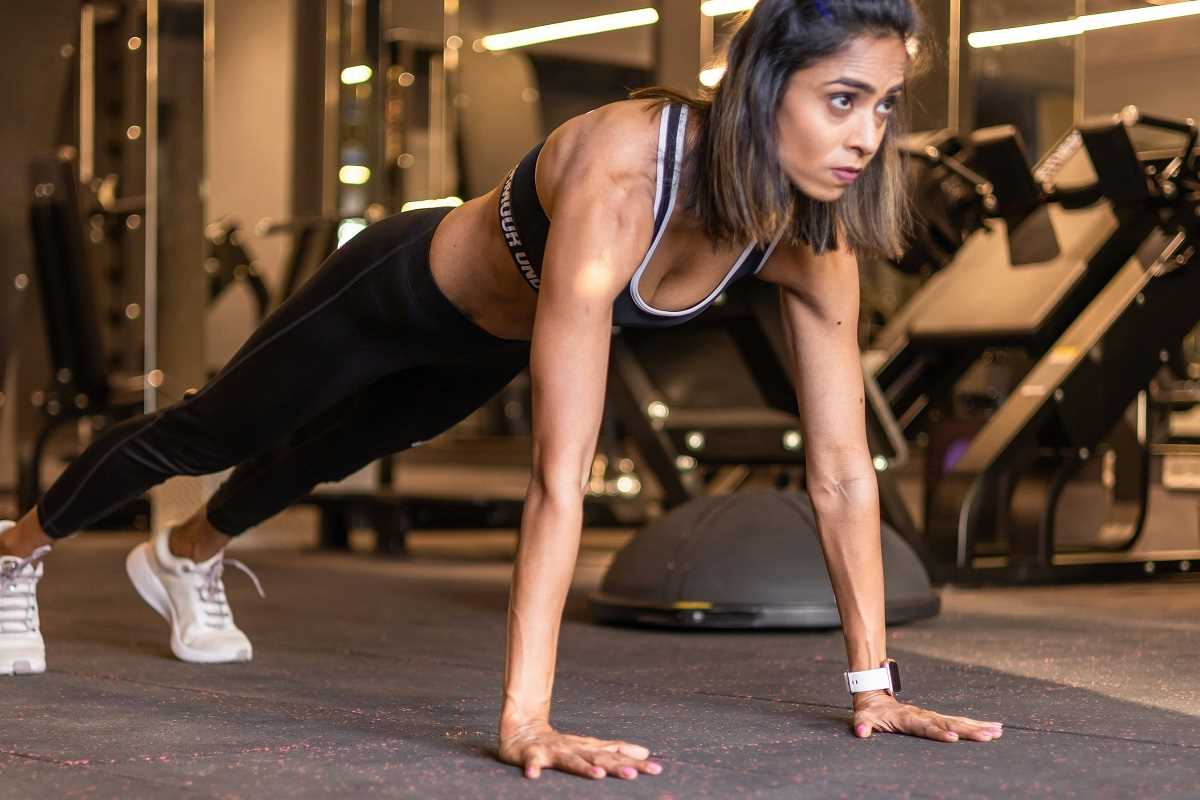
Before your next trip, practice the primal movement patterns (squat, lunge, hinge, push, pull) in your living room. Film yourself from the side. Do your knees shoot way past your toes in a squat? Does your back round when you try to hinge at your hips? Work on fixing these patterns with no weight. This "form-first" approach ensures that when you do add weight, you are strengthening a good pattern, not reinforcing a bad one.
Principle 2: Embrace Unilateral Training
Most of us have a dominant side. This can lead to subtle strength imbalances that, over time, can cause joint issues. Unilateral training—working one limb at a time—is a powerful tool for evening out these imbalances and improving joint stability.
When you perform an exercise on one leg, like a Bulgarian split squat or a single-leg deadlift, the small stabilizing muscles around your hip, knee, and ankle have to work overtime to keep you from falling over. This is incredibly functional for travelers. Life is rarely symmetrical; you step off a curb with one foot, you climb stairs one leg at a time, and you balance on one leg to put on a sock.
Joint-Friendly Unilateral Exercises:
- Bulgarian Split Squat: Elevate your back foot on a bench or chair. This isolates the front leg, building strength while challenging your hip stability.
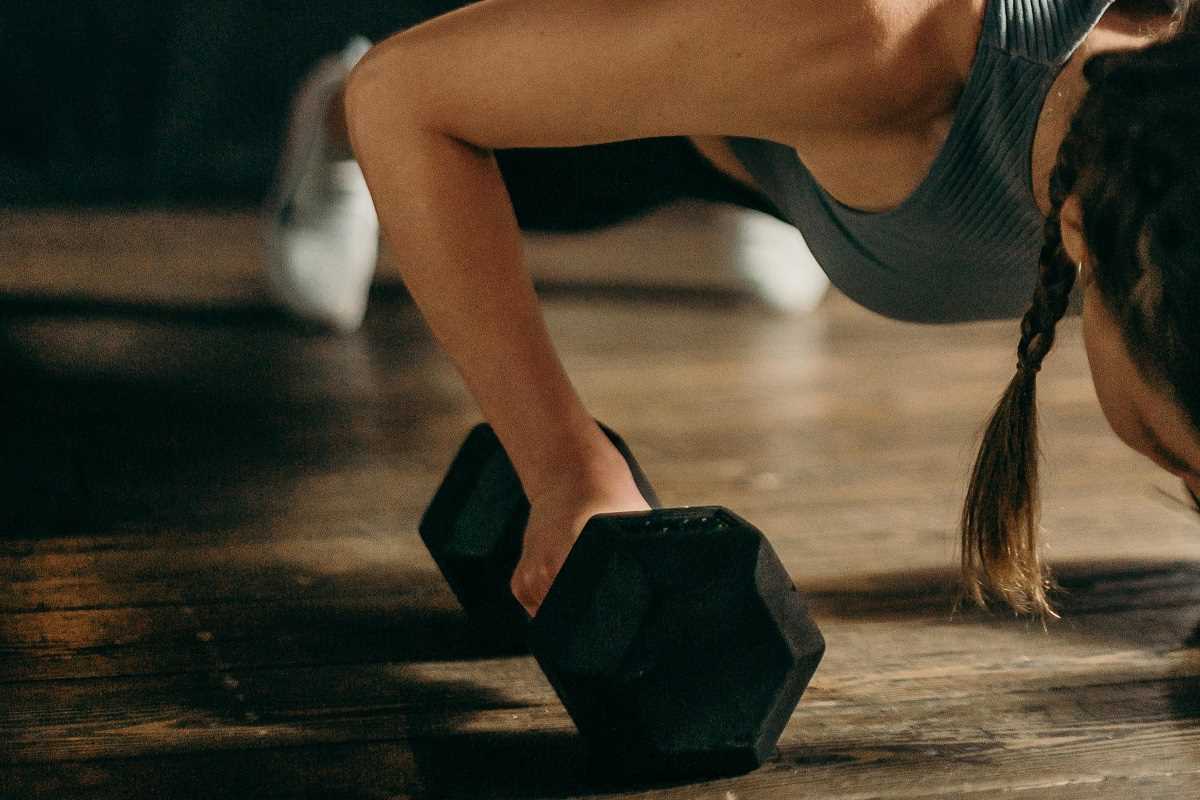
- Single-Arm Dumbbell Row: This not only strengthens your back but also forces your core to resist rotation, protecting your spine.
- Step-Back Lunge: Step backward instead of forward to reduce knee stress while strengthening your glutes and quads one leg at a time.
- Single-Leg Glute Bridge: Lying on your back with one foot on the floor increases hip strength without loading your knees or spine.
- Single-Arm Chest Press (Dumbbell or Machine): Pressing with one arm at a time builds upper-body strength while engaging your core for stability and balance.
- Single-Leg Romanian Deadlift: Holding a dumbbell or kettlebell, hinge at the hips on one leg to strengthen hamstrings and glutes while improving balance.
- Single-Arm Overhead Press (Seated): Sitting removes lower-body strain while pressing one arm at a time challenges shoulder stability and core control.
- Rear-Foot Elevated Hip Thrust: Elevating one foot places more emphasis on one glute while keeping stress off the knees.
- Single-Arm Lat Pulldown: Pulling with one arm at a time improves back strength and shoulder control without excessive joint loading.
- Single-Leg Leg Press: Using one leg on the machine allows you to build strength evenly while controlling range of motion for knee comfort.
- Single-Arm Farmer’s Carry: Carrying weight on one side strengthens your grip, core, and hips while promoting better posture.
- Single-Leg Calf Raise (Holding Support): Working one leg at a time improves ankle strength and balance with minimal joint impact.
- Single-Arm Cable Row: This helps correct muscle imbalances while keeping constant tension without stressing the joints.
- Single-Leg Box Squat: Sitting back onto a box or bench reduces knee strain while improving unilateral leg strength and control.
Principle 3: Love Your Pulls More Than Your Pushes
In our modern world, we live in a state of forward flexion. We sit hunched over desks, stare down at our phones, and drive with our arms in front of us. This leads to tight chest muscles and weak, overstretched back muscles. It’s a major cause of the shoulder and neck pain that plagues so many people.
Many traditional workout programs over-emphasize "pushing" movements like the bench press and push-ups. To protect your shoulder joints, you need to balance this with a significant amount of "pulling." A good rule of thumb is to perform at least two pulling exercises for every one pushing exercise.
Pulling movements, like rows and pull-ups, strengthen the muscles of your upper back (the rhomboids, lats, and trapezius). These muscles are responsible for pulling your shoulder blades back and down, creating a stable platform for your shoulder joint and improving your posture.
Actionable Tip:
In your workout routine, make sure you include a horizontal pull (like a seated cable row or dumbbell row) and a vertical pull (like a pull-up or lat pulldown). This builds a strong, supportive upper back that protects your shoulders from the "hunched forward" posture.
Principle 4: Control the Eccentric (The Negative)
Every lift has two phases: the concentric (when the muscle is shortening, like pushing a weight up) and the eccentric (when the muscle is lengthening under tension, like lowering the weight back down). Most people focus all their effort on the concentric and then let gravity do the work on the way down. This is a huge mistake.
Controlling the eccentric phase—lowering the weight slowly over 2-4 seconds—is one of the best ways to build strength and protect your joints.
- It Builds Connective Tissue: The slow, controlled lengthening places a healthy stress on your tendons, signaling them to become stronger and more resilient.
- It Improves Motor Control: It forces you to be mindful and control the entire range of motion, reinforcing good movement patterns.
- It Builds Muscle: You are actually stronger in the eccentric phase, meaning you can control more weight on the way down than you can lift on the way up. This creates significant muscle-building stimulus.
By ignoring the eccentric, you miss out on half the benefits of the exercise and put your joints at risk from dropping or jerking the weight.
Principle 5: Don't Neglect the Small Guys
While big compound lifts are the cornerstone of a good program, it’s also important to pay attention to the small stabilizing muscles that are critical for joint health. This is particularly true for the rotator cuff in the shoulder and the gluteus medius in the hip.
- Rotator Cuff: These four small muscles are responsible for stabilizing the ball-and-socket joint of your shoulder. Before any upper body workout, perform some light external rotation exercises with a resistance band to "wake up" these stabilizers.
- Gluteus Medius: This muscle on the side of your hip is crucial for pelvic stability when you walk or run. Weakness here can cause your opposite hip to drop, leading to knee pain and IT band issues. Exercises like clamshells, side-lying leg raises, and banded lateral walks are excellent for targeting this muscle.
Think of these exercises as "movement prep" or "pre-hab." A few minutes spent activating these muscles before your main workout can make a world of difference in keeping your joints happy.
Putting It All Together for a Lifetime of Adventure
Building a joint-friendly strength routine doesn't mean you have to lift light forever. It means you have to lift smart. It means earning the right to add weight by mastering form. It means balancing your body by training one side at a time and prioritizing your posterior chain.
The information provided on StayHealthyAndWell is intended for general informational and educational purposes only. Content on this website is not a substitute for professional medical advice, diagnosis, or treatment.
StayHealthyAndWell is not operated by licensed dietitians, registered nutritionists, physical therapists, personal trainers, or medical professionals. Any nutrition, fitness, exercise, or wellness information shared on this site is based on general knowledge, research, and personal perspectives, and should not be interpreted as personalized health or fitness advice.