 (Image via
Have you ever tossed and turned in a strange hotel bed, your body exhausted from a long day, but your mind refusing to switch off? This frustrating experience is common for travelers, but a powerful, natural remedy exists that can help you get the restorative rest you need: exercise. The link between physical activity and high-quality sleep is well-established, and understanding it can transform how you feel, both at home and on the road.
Regular exercise does more than just build muscle and improve cardiovascular health. It directly impacts your sleep cycles, body temperature, and stress levels, all of which are crucial for a good night's rest. For travelers, making the most of this connection can mean the difference between a groggy, jet-lagged trip and a vibrant, energy-filled adventure. Let's explore how a bit of movement can lead to much better sleep.
How Exercise Primes Your Body for Sleep
The science behind why exercise helps us sleep is fascinating. It’s not just about tiring yourself out. Physical activity triggers a series of physiological changes that signal to your body that it’s time to wind down and repair.
Regulating Your Internal Clock
Your body operates on an internal 24-hour clock known as the circadian rhythm. This rhythm dictates when you feel sleepy and when you feel awake. When you travel across time zones, this internal clock gets thrown out of sync with the local time, resulting in jet lag. Exercise, particularly when done in the morning or afternoon, can help reset this clock.
Engaging in physical activity, especially with exposure to natural daylight, sends a strong "wake-up" signal to your brain. This helps anchor your body to the new time zone. For instance, if you land in Paris in the morning after a long flight from New York, going for a brisk walk or a light jog can help your body adjust faster. This daytime activity makes the subsequent drop in energy at night more pronounced, preparing you for sleep when evening arrives.
Managing Body Temperature
Your body temperature naturally fluctuates throughout the day, dropping slightly in the evening to initiate sleep. Exercise temporarily raises your core body temperature. Following this spike, your body begins to cool down. This post-exercise drop in temperature can mimic the natural cooling process that occurs before bed, promoting feelings of drowsiness and making it easier to fall asleep.
The timing of your workout matters here. A vigorous workout too close to bedtime might keep you awake because your body temperature and heart rate remain elevated. It’s generally best to finish moderate to intense exercise at least two to three hours before you plan to hit the hay. A gentle evening walk or some light stretching, however, can be relaxing and beneficial.
Reducing Stress and Anxiety
Travel can be stressful. Navigating unfamiliar airports, dealing with delays, and adapting to new environments can leave your mind racing. Exercise is one of the most effective stress-reduction tools available. Physical activity boosts the production of endorphins, which are natural mood elevators often called "feel-good" chemicals.
Simultaneously, exercise helps reduce levels of the body's stress hormones, like adrenaline and cortisol. A morning run through a new city or a quick hotel gym session can clear your head and lower anxiety, preventing those worries from following you to bed. This mental calm is essential for allowing your brain to transition into the deeper, more restorative stages of sleep.
Practical Exercise Tips for Travelers
Incorporating exercise into your travel routine doesn't have to be complicated. You don't need a full-service gym or a lot of equipment. The key is to find activities that are convenient, enjoyable, and effective.
Bodyweight Workouts in Your Hotel Room
Your hotel room can easily become your personal fitness studio. Bodyweight exercises require no equipment and can be done in a small space. A simple routine can make a huge difference in your energy levels and sleep quality.
Try a circuit of these exercises:
- Squats: Work your legs and glutes.
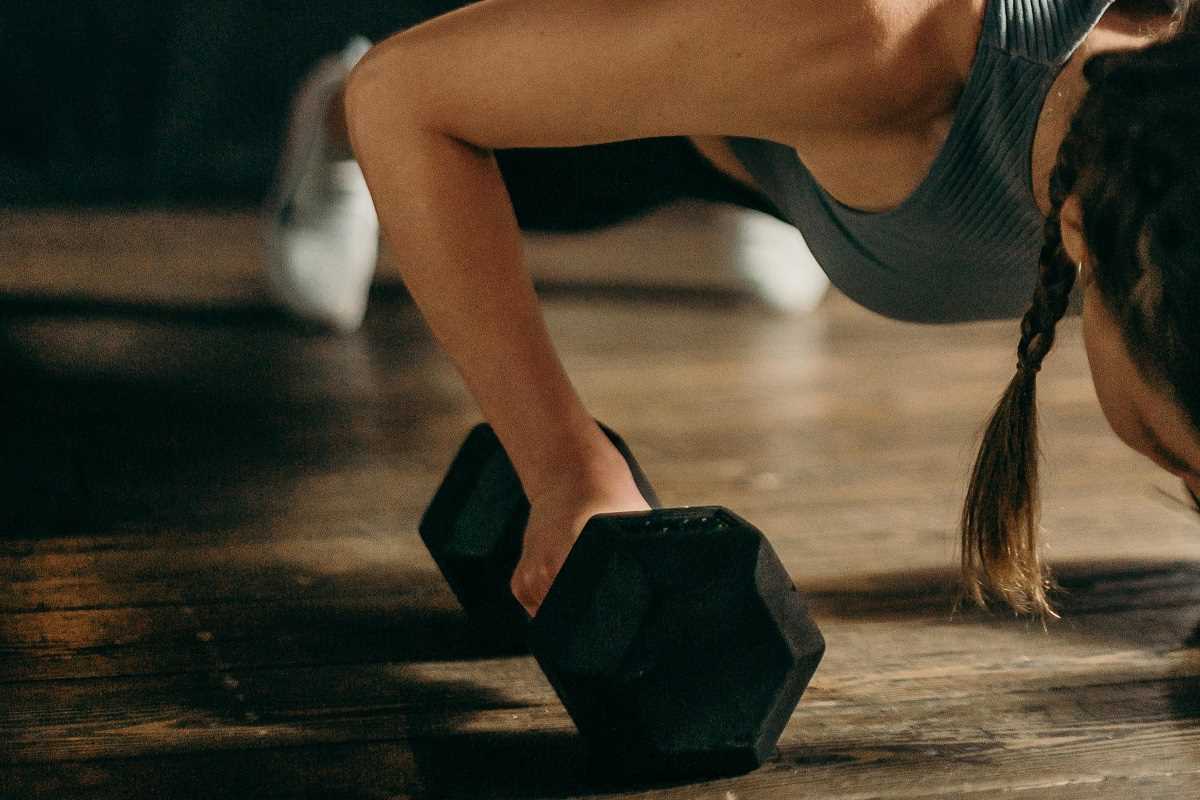
- Push-ups: Can be done on your knees or toes to work your chest and arms.
- Lunges: Great for balance and lower body strength.
- Planks: Engage your core for stability.
- Jumping Jacks: A simple cardio move to get your heart rate up.
Aim for 3-4 rounds of 10-15 repetitions for each exercise. This quick, 15-20 minute workout is enough to get your blood flowing and trigger the positive sleep-related benefits.
Explore and Exercise Simultaneously
One of the best parts of traveling is exploring a new place. Why not turn your sightseeing into a workout? Instead of taking a taxi or public transport, consider walking or renting a bike. Exploring a city on foot allows you to discover hidden gems you might otherwise miss, all while getting in your daily dose of activity.
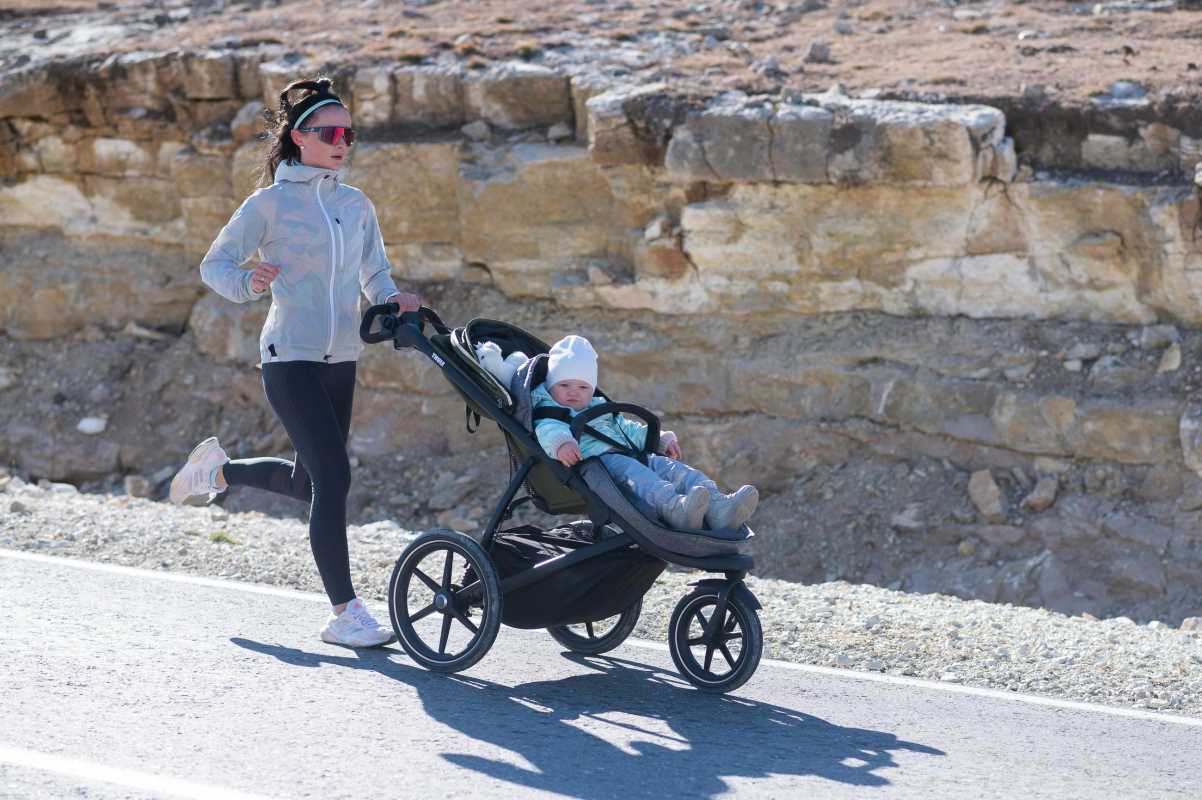
If you're in a location with natural beauty, take advantage of it. Go for a hike in a nearby park, swim in the ocean, or jog along a scenic river. This combines the mental benefits of being in nature with the physical benefits of exercise, creating a powerful combination for better sleep.
Yoga and Stretching for Relaxation
If high-intensity workouts aren't your thing, or if you need a way to wind down in the evening, yoga and stretching are excellent options. These practices focus on gentle movement, deep breathing, and mindfulness, which help calm the nervous system.
Many yoga and meditation apps offer guided sessions you can follow in your hotel room. A simple 10-15 minute routine of gentle stretches before bed can release muscle tension from a long day of walking or sitting on a plane. This physical release sends a signal to your brain that it’s time to relax, making it easier to drift off to sleep. Poses like Child's Pose, Cat-Cow, and gentle spinal twists are particularly effective for pre-sleep relaxation.
Finding the Right Timing and Intensity
The "best" time to exercise for sleep can vary from person to person, but some general guidelines can help you find what works for you.
Morning and Afternoon Workouts
Most sleep experts agree that morning or afternoon workouts are ideal for improving sleep quality. As mentioned earlier, this timing helps regulate your circadian rhythm and allows for the natural cool-down process in the evening. A moderate-intensity workout, like a brisk walk, jog, or bike ride, performed several hours before bed, has been shown to reduce the time it takes to fall asleep and increase the duration of deep sleep.
The Debate on Evening Exercise
For a long time, it was believed that exercising in the evening was detrimental to sleep. However, recent studies suggest that for many people, light to moderate evening exercise does not interfere with sleep and may even improve it. The key is to avoid high-intensity activities right before bed.
A gentle yoga session, a slow walk, or some stretching can be a perfect way to transition from a busy day to a restful night. Listen to your body. If you find that an evening workout leaves you feeling energized and alert, it might be best to move your activity to earlier in the day. If it helps you feel relaxed and ready for bed, then it’s a great addition to your routine.
The information provided on StayHealthyAndWell is intended for general informational and educational purposes only. Content on this website is not a substitute for professional medical advice, diagnosis, or treatment.
StayHealthyAndWell is not operated by licensed dietitians, registered nutritionists, physical therapists, personal trainers, or medical professionals. Any nutrition, fitness, exercise, or wellness information shared on this site is based on general knowledge, research, and personal perspectives, and should not be interpreted as personalized health or fitness advice.