Have you ever walked out of the grocery store, looked down at three bags of groceries that somehow cost ninety dollars, and wondered what just happened? You wanted to buy crisp produce and clean proteins, but your receipt looks like you purchased gold bullion.
It is easy to see why so many people believe nutritious food is a luxury reserved for folks with unlimited funds. Between 2020 and 2024, grocery prices climbed nearly 25% before finally leveling off to normal growth rates.¹ That sharp price spike left many of us feeling the pinch every time we swipe a card at checkout.
Eating well does not require a six-figure income or specialized wellness shops. By rethinking how you shop, building around reliable staples, and plugging the money leaks in your kitchen, you can eat exceptionally well without emptying your wallet.
The Mindset Shift: Nutrition Over Convenience
Most of the conversation around healthy eating assumes you have to choose between your health and your bank account. A landmark study from the Harvard T.H. Chan School of Public Health found that eating a diet rich in vegetables, fruits, nuts, and fish costs roughly $1.50 more per person per day than eating an ultra-processed diet.²
Think about that number for a second. That is about $45 a month. In a world where a single specialty coffee easily runs six dollars, a dollar and fifty cents a day is manageable for many households. The real budget breaker usually is not fresh, wholesome food. The real culprit is convenience.
When you buy pre-chopped vegetables, bottled marinades, and individually portioned snack boxes, you pay for someone else's labor. Food manufacturers package cheap starches, sugars, and oils, slap a health claim on the box, and charge you three times the price of real ingredients.
Shift your focus toward whole foundations instead. Viewing food as an investment in daily energy and long-term health changes how you prioritize your cart. Whole ingredients take a few extra minutes of prep, but they give you far more nutrition per dollar than anything in a shiny cardboard box.
Mastering Smart Shopping and Planning
Walking into a supermarket without a plan is an expensive gamble. Grocery stores use specific layouts, scents, and lighting designed to trigger impulse buys.
To beat the system, you need a quick tactical playbook before you grab a cart
• Audit your cupboards first: The most expensive trip to the store happens when you buy duplicate items you already have hidden behind a box of cereal. Shop your own pantry and freezer before writing a single item down.
• Work the perimeter with purpose: Fresh vegetables, eggs, and plain dairy live around the edges of the store. Visit the center aisles only for whole dry goods like grains, spices, and canned items.
• Download the store app: Digital coupons and weekly circulars take two minutes to scan before you leave the house. If chicken thighs or sweet potatoes are on sale, build your weekly menu around those discounts.
• Calculate cost per nutrient: Instead of looking only at the total package price, look at the nutritional density you get for the cash. A two-dollar bag of dried beans provides twelve servings of fiber and protein, easily beating a four-dollar box of processed crackers that leaves you hungry an hour later.
Building Your Pantry with Affordable Staples
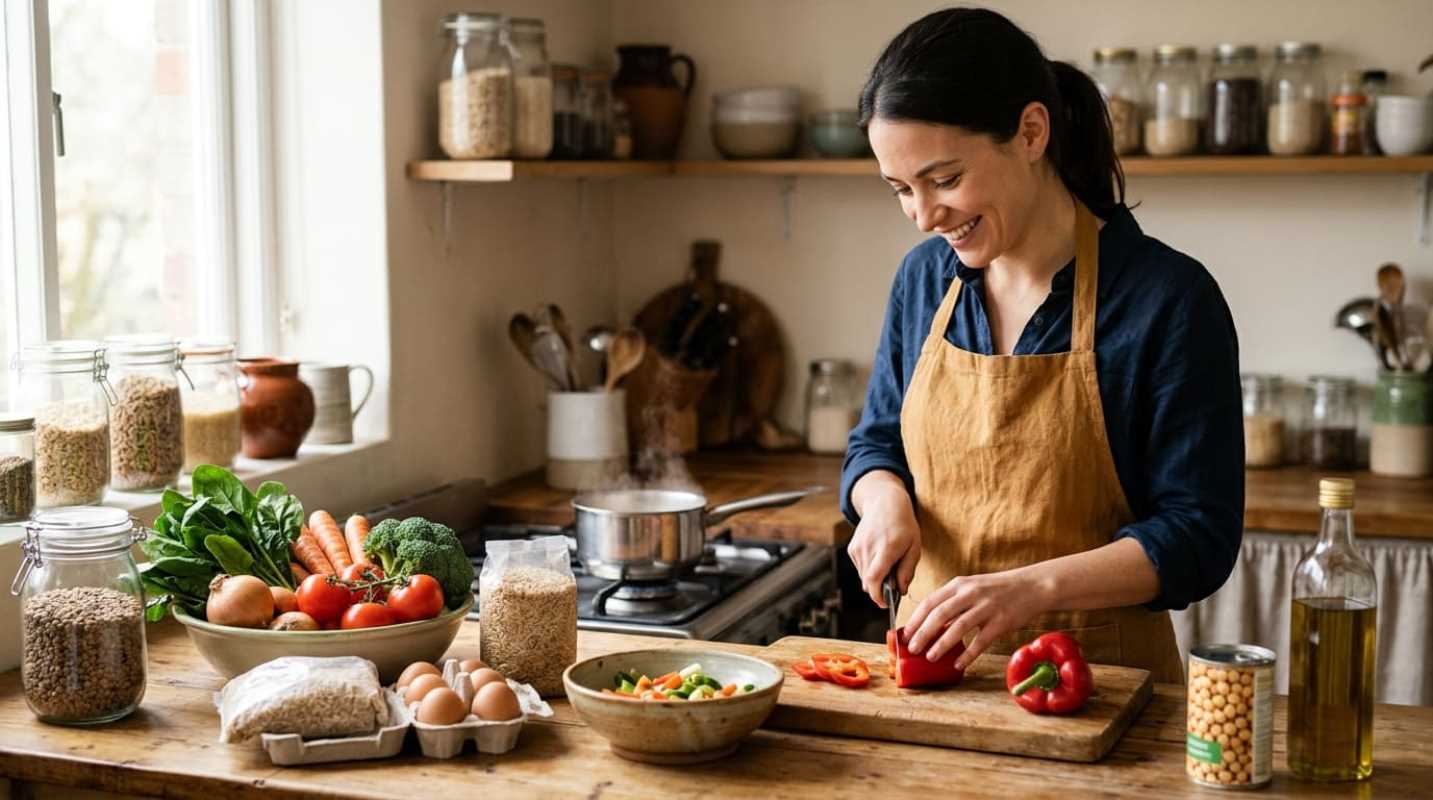
Stocking a functional, low-cost pantry is like building a capsule wardrobe. When you own dependable basics that mix and match easily, throwing together a quick, nutritious meal takes almost zero effort.
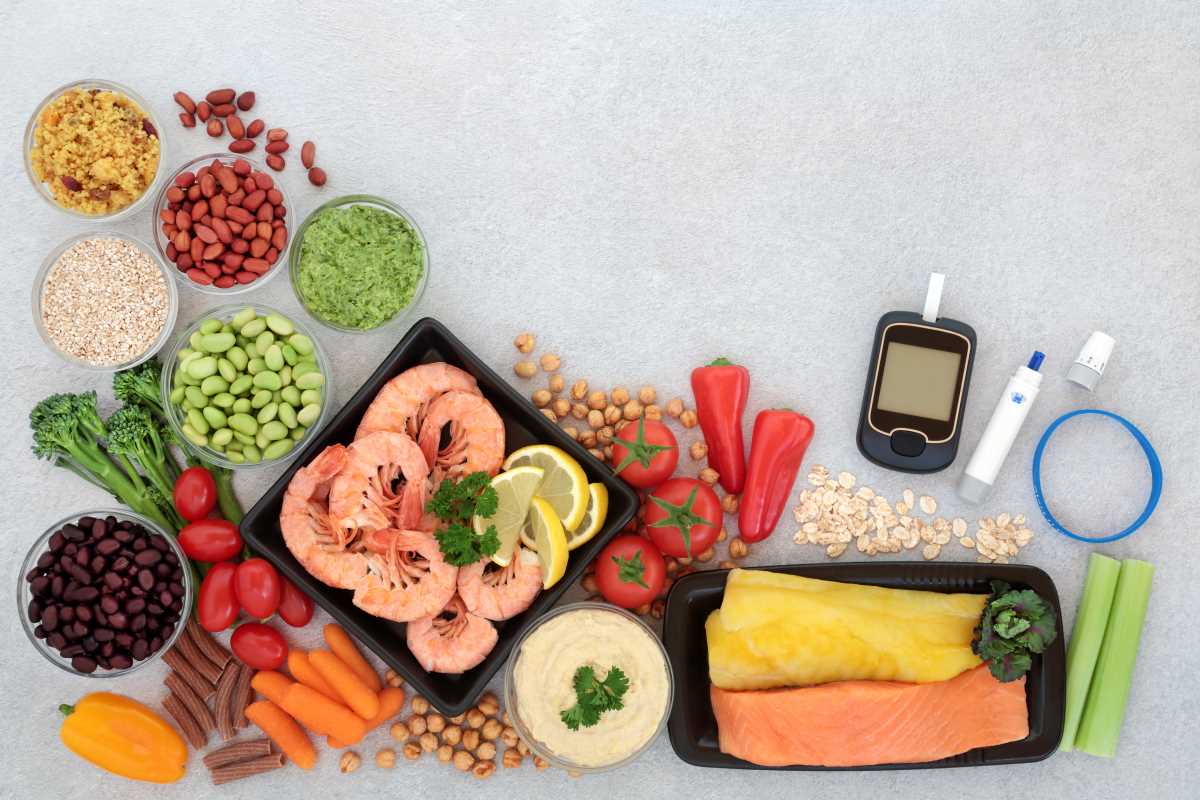
Certain workhorse foods deliver exceptional nutrition for pennies per serving
• Dried lentils and beans: Lentils cook in twenty minutes without soaking and offer plant protein, iron, and gut-friendly fiber for roughly twenty cents a serving.
• Whole rolled oats: Plain oats provide steady complex carbs and beta-glucan fiber to support heart health. They work for breakfast porridge, homemade granola, or even as a binder in meatballs.
• Whole eggs: Eggs remain one of the most bioavailable, nutrient-dense protein sources you can buy. Scramble them for a quick dinner or drop them into vegetable stir-fries.
• Canned fish: Canned tuna, salmon, and sardines deliver lean protein and anti-inflammatory omega-3 fats. They stay shelf-stable for years, so you never have to worry about them spoiling in the fridge.
• Frozen vegetables and berries: Flash-frozen produce is picked at peak ripeness, locking in vitamins just as well as fresh produce. You get zero trimming waste and zero spoilage risk.
• Potatoes and sweet potatoes: Packed with potassium and vitamin C, unpeeled roasted potatoes give you lasting energy at a fraction of the cost of boutique grains.
Reducing Food Waste to Stretch Your Dollar
Want to instantly free up cash in your grocery budget? Stop throwing edible food into the trash can.
Data from the U.S. Environmental Protection Agency shows that the average family of four throws away $2,913 worth of food every year.³ That equals roughly $56 each week, slipping right into the garbage disposal. Reclaiming that money can wipe out the cost difference between an ultra-processed diet and a nutrient-rich one.
Cutting waste comes down to a few simple habits in your kitchen
• Set up an eat-first bin: Dedicate one small, clear container at eye level in your fridge for open sauces, leftover protein, and cut produce. If you see it immediately, you eat it before it turns fuzzy.
• Adopt the FIFO rule: Retailers call this "first in, first out." When putting away new groceries, slide older produce and dairy toward the front and place the new items in the back.
• Keep a scrap freezer bag: Save carrot tops, celery leaves, onion skins, and mushroom stems in a freezer bag. When the bag fills up, boil the contents in water for an hour to make a rich, free vegetable broth.
• Learn date label vocabulary: The vast majority of expiration dates are not safety warnings. "Best if used by" refers strictly to peak flavor and texture, meaning canned goods and dry grains are often perfectly good long after that date passes. Reserve strict cutoffs for "use by" dates on fresh meats.
Simple Approaches for Sustainable Healthy Habits
Staying on budget over the long haul requires systems that fit your actual schedule. If cooking dinner feels like a chore after a long workday, takeout menus start looking awfully tempting.
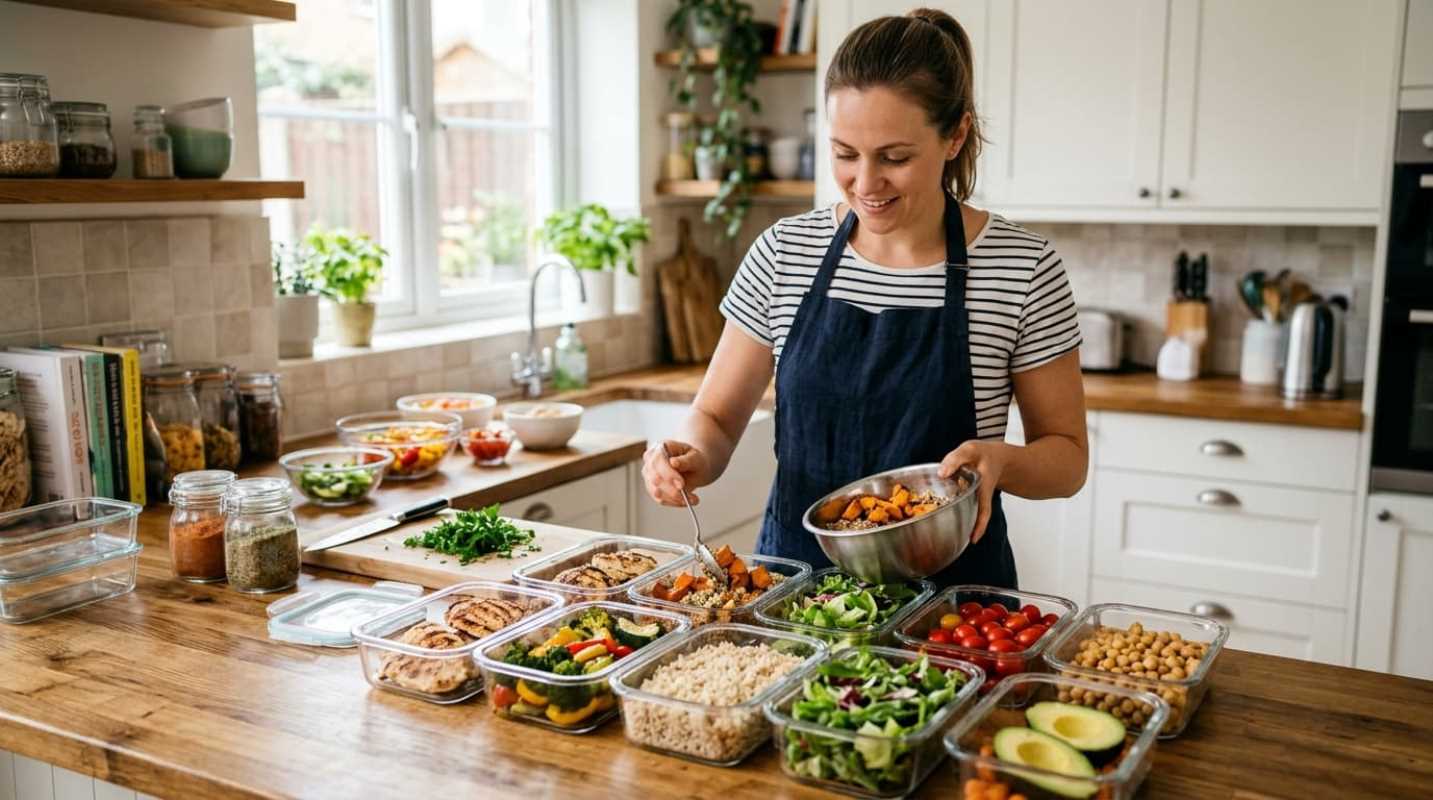
Batch cooking is your best defense against weeknight fatigue. You do not need to spend six hours on Sunday preparing dozens of identical plastic containers. Simply cook double portions of your base ingredients. Roast two sheet pans of sweet potatoes instead of one, or simmer a double batch of brown rice. Those prepped building blocks turn into different meals throughout the week with almost no extra cleanup.
You can also stretch your grocery dollars by adopting plant-forward cooking. You do not have to turn into a full-time vegetarian to save money. Try blending chopped mushrooms or cooked lentils directly into ground beef or turkey. A fifty-fifty split halves the cost of the meat, slashes saturated fat, and adds beneficial fiber without changing the texture of tacos or pasta sauce.
Eating well on a tight budget comes down to consistency. When you stop wasting food and start relying on unprocessed kitchen staples, you quickly discover that taking care of your body does not require sacrificing your wallet.
Sources:
1. Food Prices and Spending
https://www.ers.usda.gov/data-products/ag-and-food-statistics-charting-the-neededs/food-prices-and-spending
2. Pinpointing the higher cost of a healthy diet
https://news.harvard.edu/gazette/story/2013/12/pinpointing-the-higher-cost-of-a-healthy-diet/
3. Estimating the Cost of Food Waste for American Consumers
https://www.epa.gov/land-research/estimating-cost-food-waste-american-consumers
*This article on Katiently is for informational and educational purposes only. Readers are encouraged to consult qualified professionals and verify details with official sources before making decisions. This content does not constitute professional advice.*